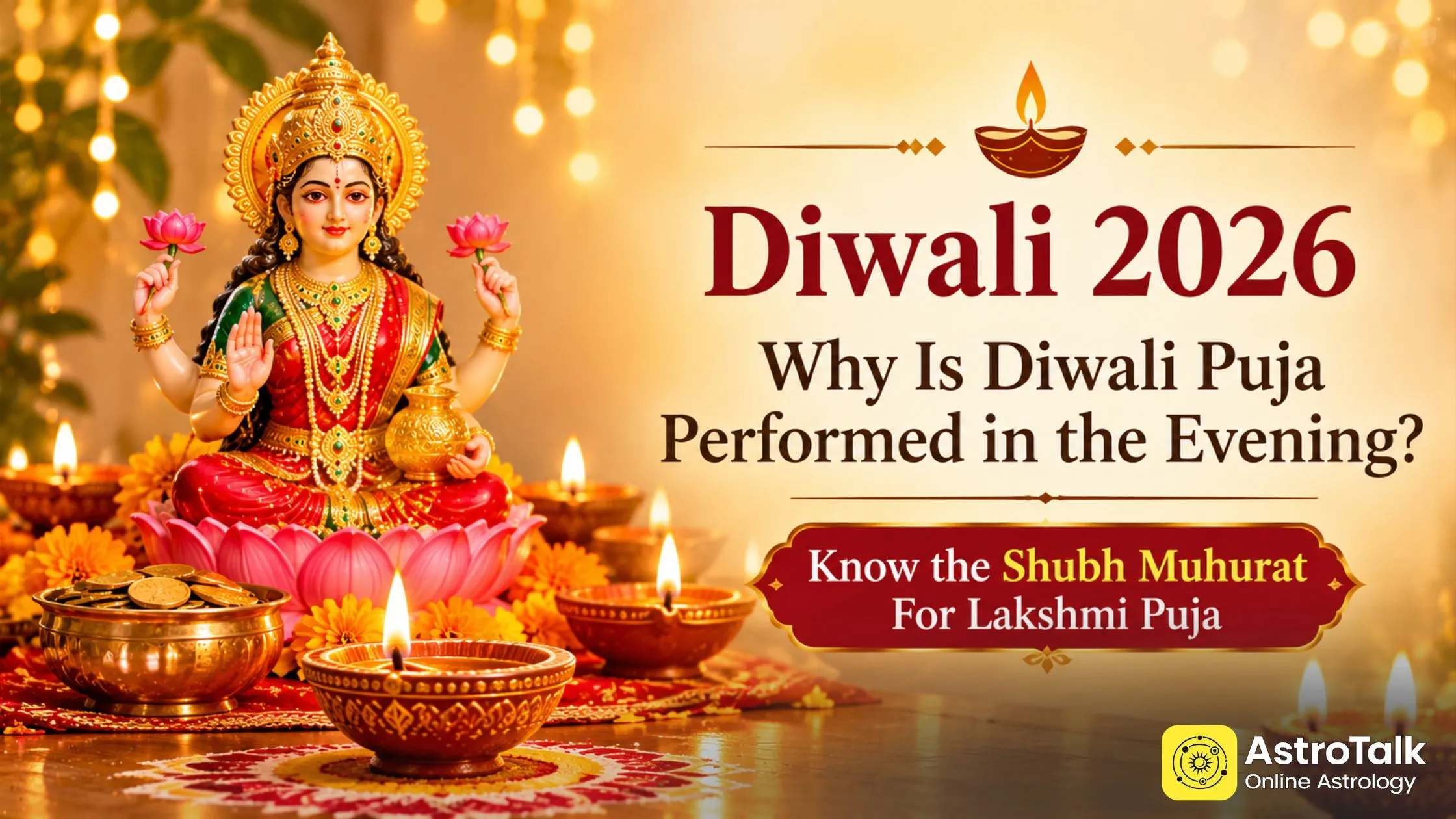
Diwali 2026: Diwali is one of India’s major festivals. The festival of lights symbolises the victory of light over darkness, knowledge over ignorance, and good over evil. Diwali reflects the country’s culture, social bonds, and harmony. There are several beliefs behind celebrating Diwali; the most popular one is Lord Rama’s return to Ayodhya after completing 14 years of exile. It is believed that when Lord Rama returned to Ayodhya with Mata Sita and Lakshman, the people decorated the city and lit it with diyas. Since then, the tradition of celebrating this occasion as a festival has continued.
However, there are several other beliefs behind celebrating Diwali. In South India, it is celebrated to mark Lord Krishna’s victory over Narakasura. In Jainism, this day is observed as the Nirvana Diwas of Mahavir Swami and along with this, there is also a special tradition of worshipping Devi Lakshmi on this day. According to a major religious and mythological belief, Goddess Lakshmi appeared during the Samudra Manthan on the Kartik Amavasya. But do you know why Lakshmi Puja is performed during the evening Pradosh Kaal on Diwali? Come, let’s understand the reason behind this tradition.
According to the Panchang, Diwali is celebrated on the Amavasya Tithi of the Kartik month. This year, Diwali will be celebrated on Sunday, 8 November, 2026.
Lakshmi Puja Muhurat: The auspicious time to worship Maa Lakshmi during Pradosh Kaal will be from 5:31 PM to 8:09 PM.
Also read: Diwali Calendar 2026: The Five-Day Festival of Lights Begins on 6 November. Check the Full Calendar.
On Diwali, Lakshmi Maa is worshipped in every Hindu household. Business owners also worship Goddess Lakshmi in their shops or offices on this day. However, the puja is generally performed during Pradosh Kaal and Vrishabha Lagna. There are several beliefs behind performing Diwali Puja in the evening or at night, which include:
According to mythology, the gods and demons performed Samudra Manthan to obtain Amrit, during which 14 precious gems emerged. Maa Lakshmi also appeared from the Kshir Sagar during the Samudra Manthan on the night of Kartik Amavasya. Since Maa Lakshmi appeared at night, this time is considered especially auspicious for worship.
According to religious beliefs, Goddess Lakshmi visits the Earth at night and resides in homes that are clean, pure, and well-lit. That’s why people clean their homes, make rangoli, decorate doorways with torans, adorn their homes with flowers and garlands, and light diyas during Diwali.
The night of Kartik Amavasya is dark, with darkness all around. On this night, when people light diyas and welcome Maa Lakshmi through worship, it is believed to remove the darkness of ignorance and poverty from their lives.
According to astrological beliefs, the period after sunset is called Pradosh Kaal. This is a time when negative energy fades away and positive energy flows. Therefore, worshipping Maa Lakshmi during Pradosh Kaal and the Vrishsbh Kaal is considered highly auspicious and brings lasting blessings.
To learn more about Diwali Lakshmi Puja, its auspicious timings, or the significance of Pradosh Kaal, you can consult an astrologer for personalised guidance.




Choose your and your partner's zodiac sign to check compatibility


2026 Astrotalk (Powered by Astrotalk Services Private Limited & Astrotalk Online Private Limited). All Rights Reserved