
Festival Calendar 2026
Ask about a muhuratKarwa Chauth is next
Nothing is observed today. The next festival is Karwa Chauth on Thursday 29 October. Krishna Paksha, Chaturthi tithi.
Indian Festivals
 NationalEnglish New YearThursday, 1 January 2026Paksha: Shukla · Tithi: Trayodashi
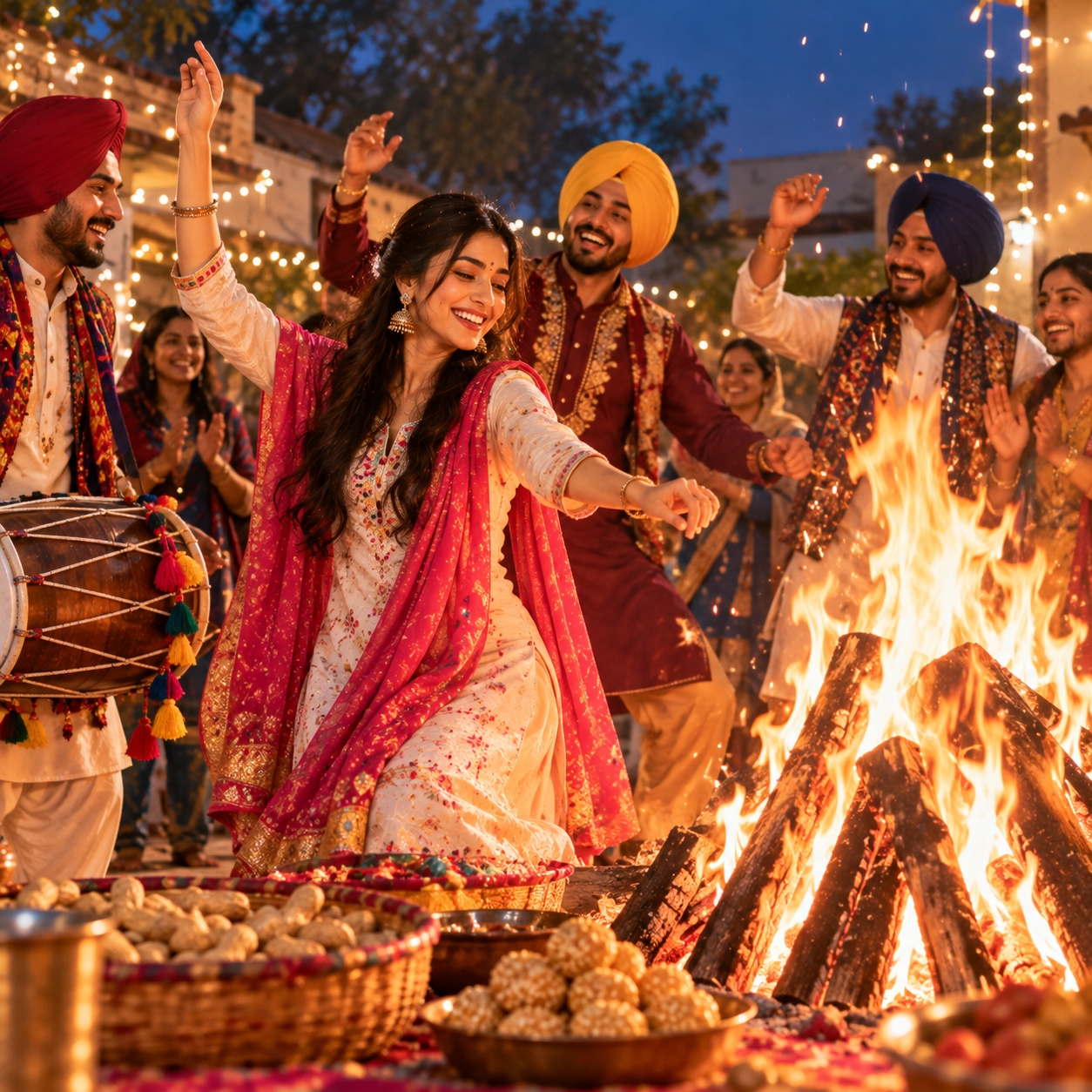 RegionalLohriTuesday, 13 January 2026Paksha: Krishna · Tithi: Dashami
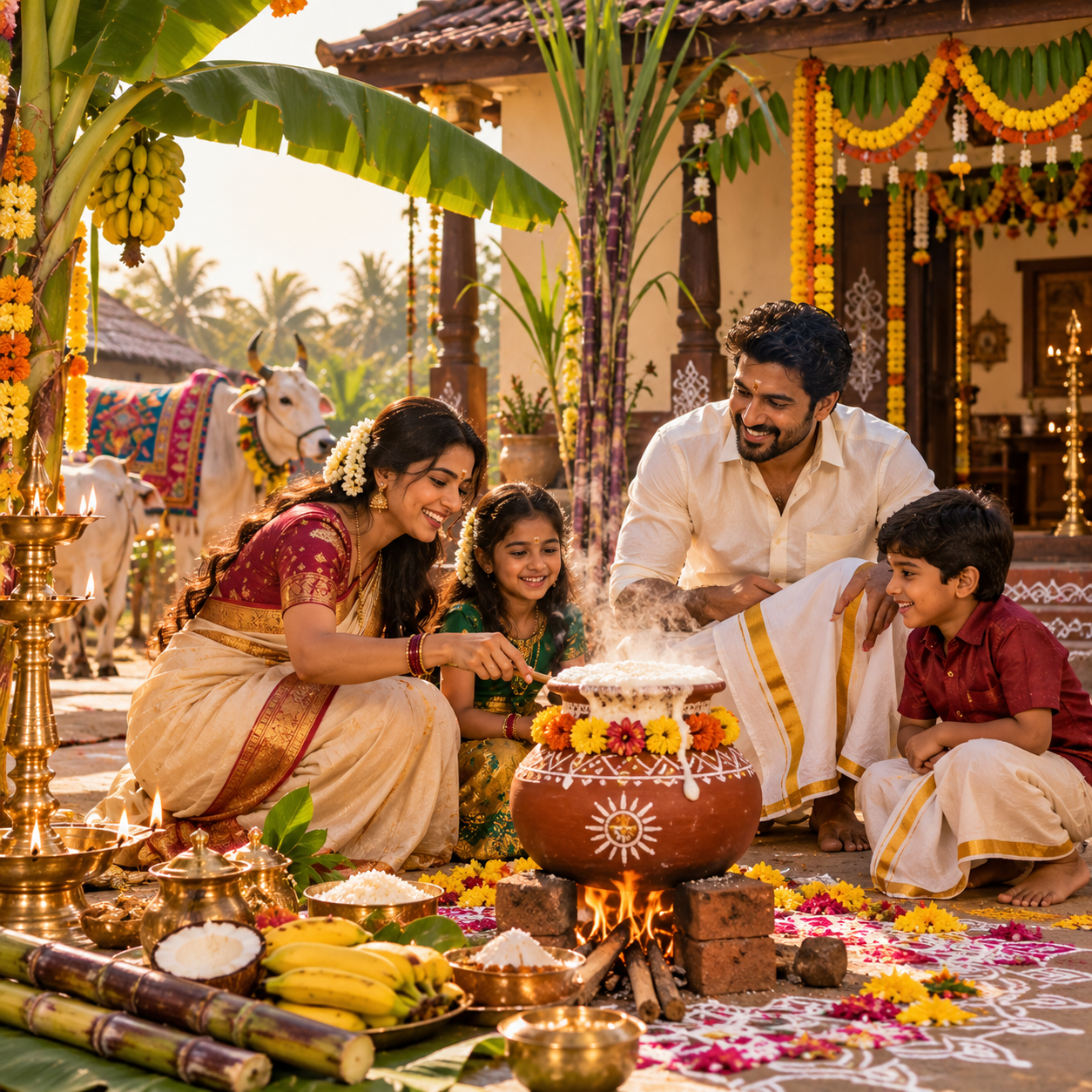 RegionalPongalWednesday, 14 January 2026Paksha: Krishna · Tithi: Ekadashi
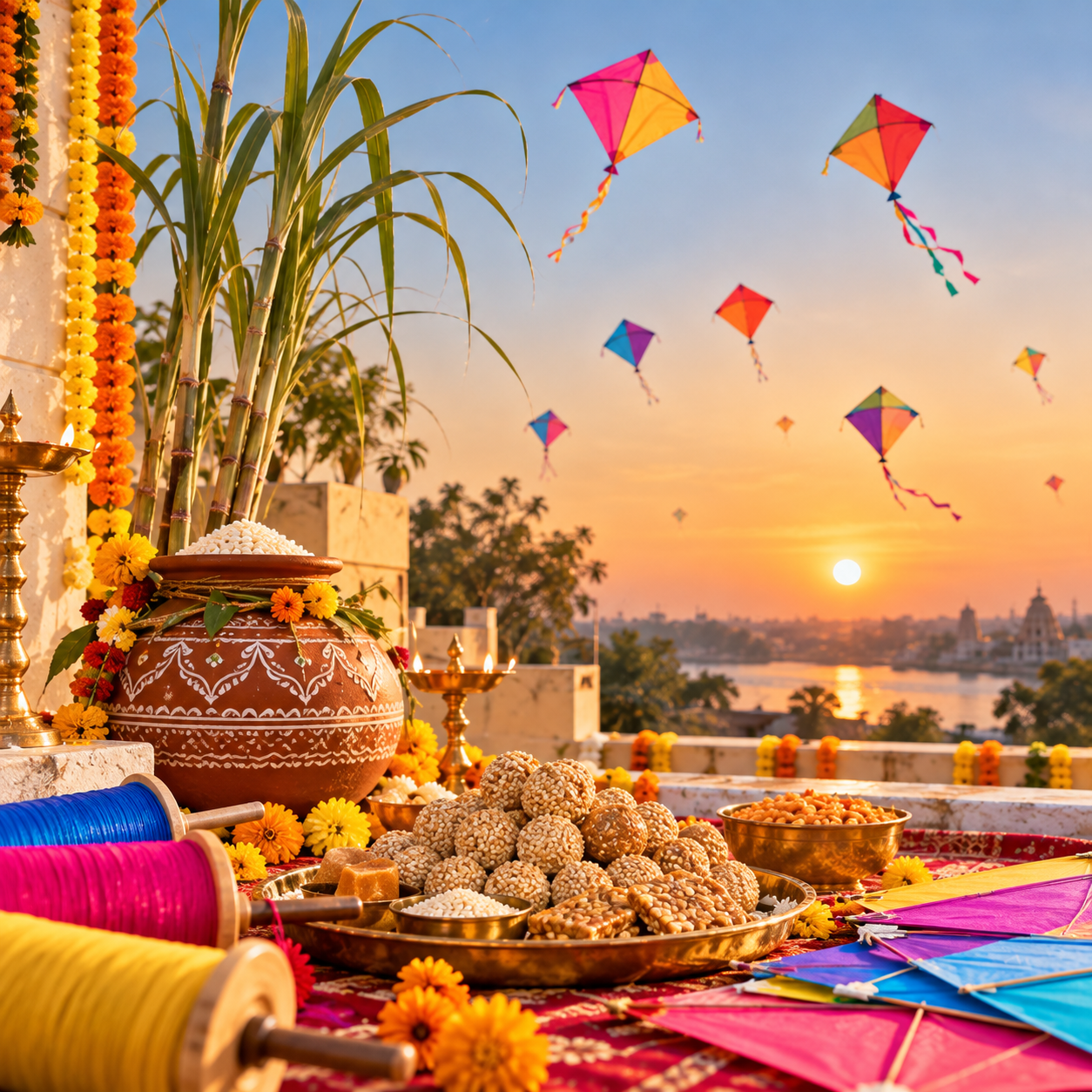 HinduMakar SankrantiWednesday, 14 January 2026Paksha: Krishna · Tithi: Ekadashi
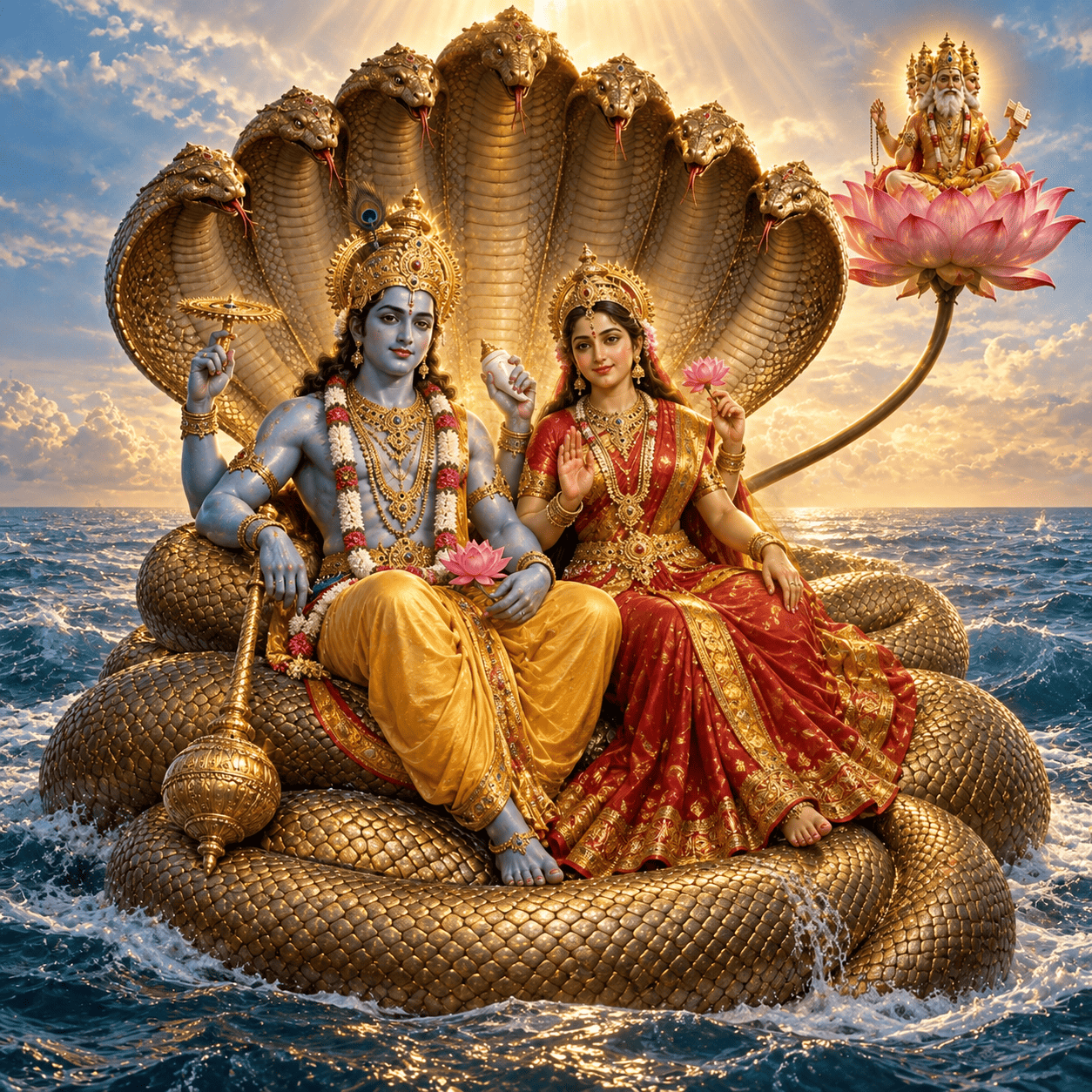 HinduShattila EkadashiWednesday, 14 January 2026Paksha: Krishna · Tithi: Ekadashi
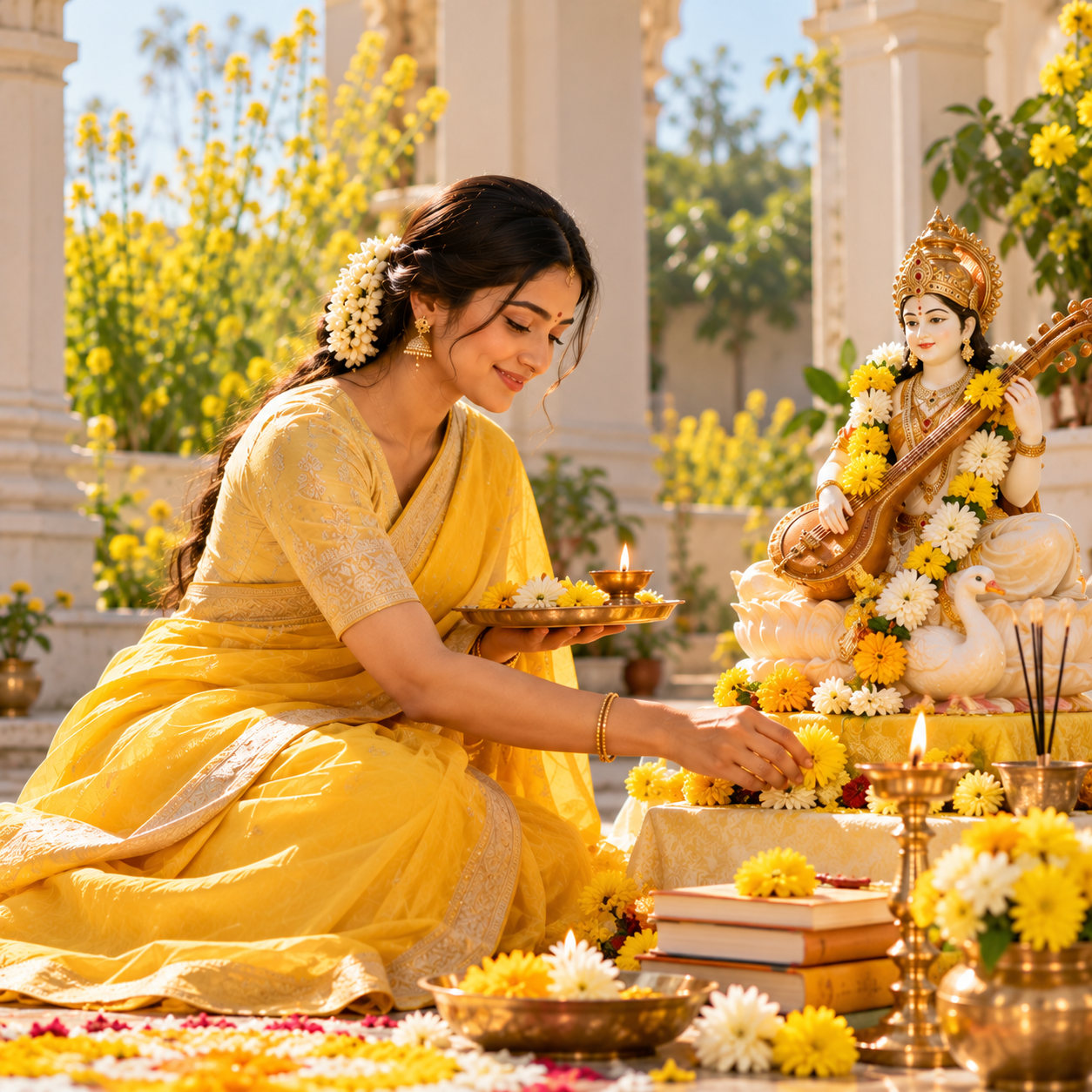 HinduVasant PanchamiFriday, 23 January 2026Paksha: Shukla · Tithi: PanchamiHinduJaya EkadashiThursday, 29 January 2026Paksha: Shukla · Tithi: EkadashiHinduVijaya EkadashiFriday, 13 February 2026Paksha: Krishna · Tithi: Ekadashi
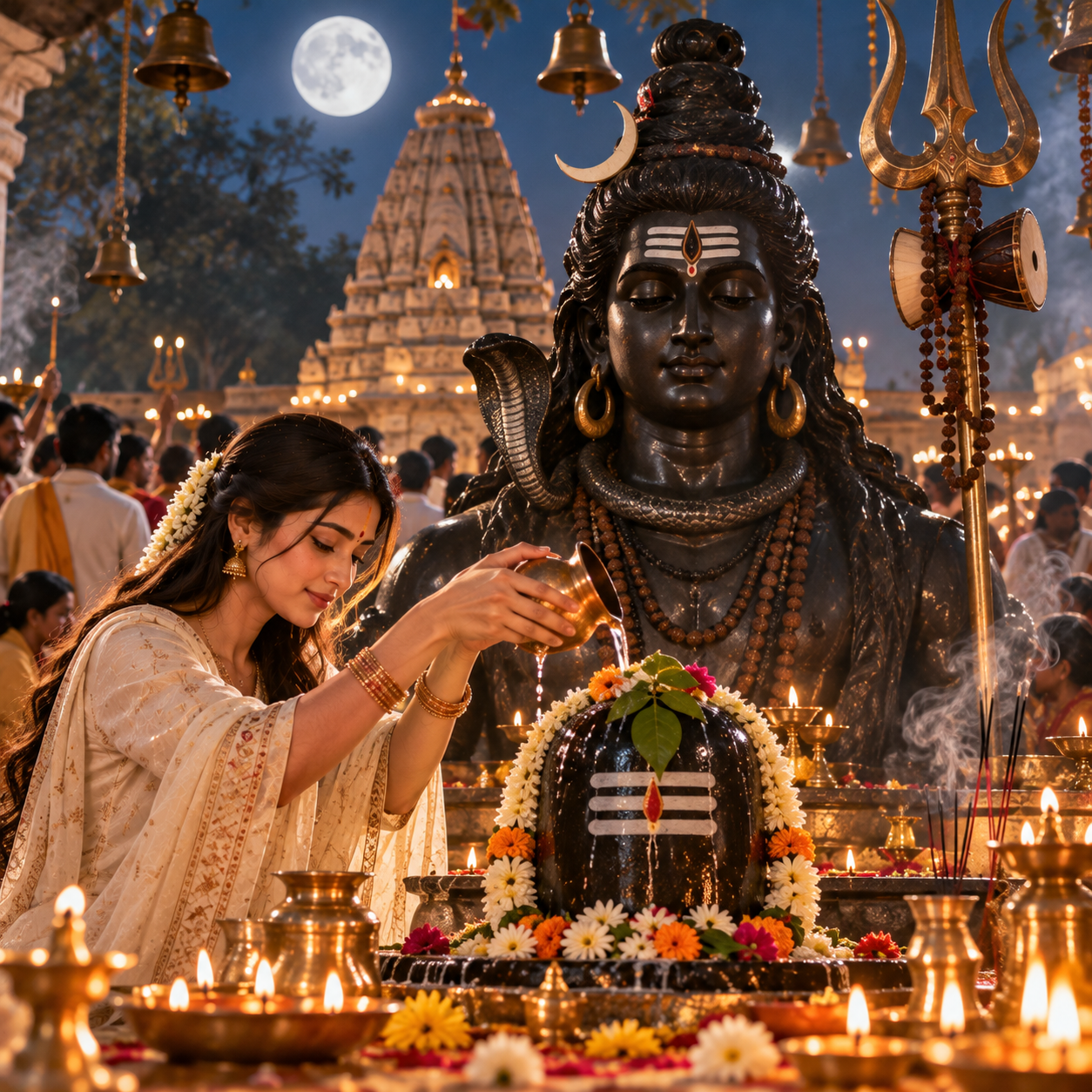 HinduMaha ShivaratriSunday, 15 February 2026Paksha: Krishna · Tithi: TrayodashiHinduAmalaki EkadashiFriday, 27 February 2026Paksha: Shukla · Tithi: Ekadashi
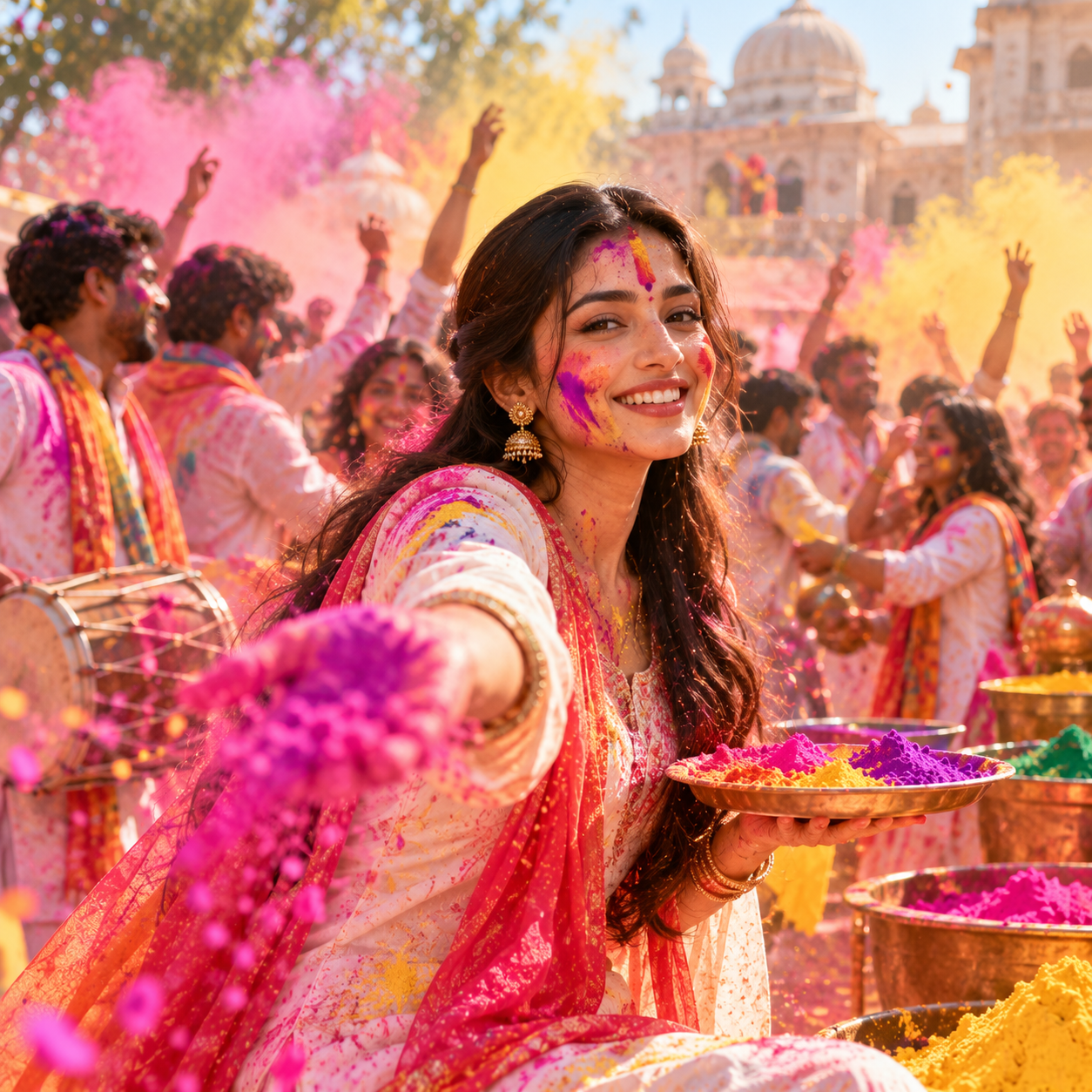 HinduHoliWednesday, 4 March 2026Paksha: Krishna · Tithi: PrathamaHinduPapmochani EkadashiSunday, 15 March 2026Paksha: Krishna · Tithi: Dwadashi
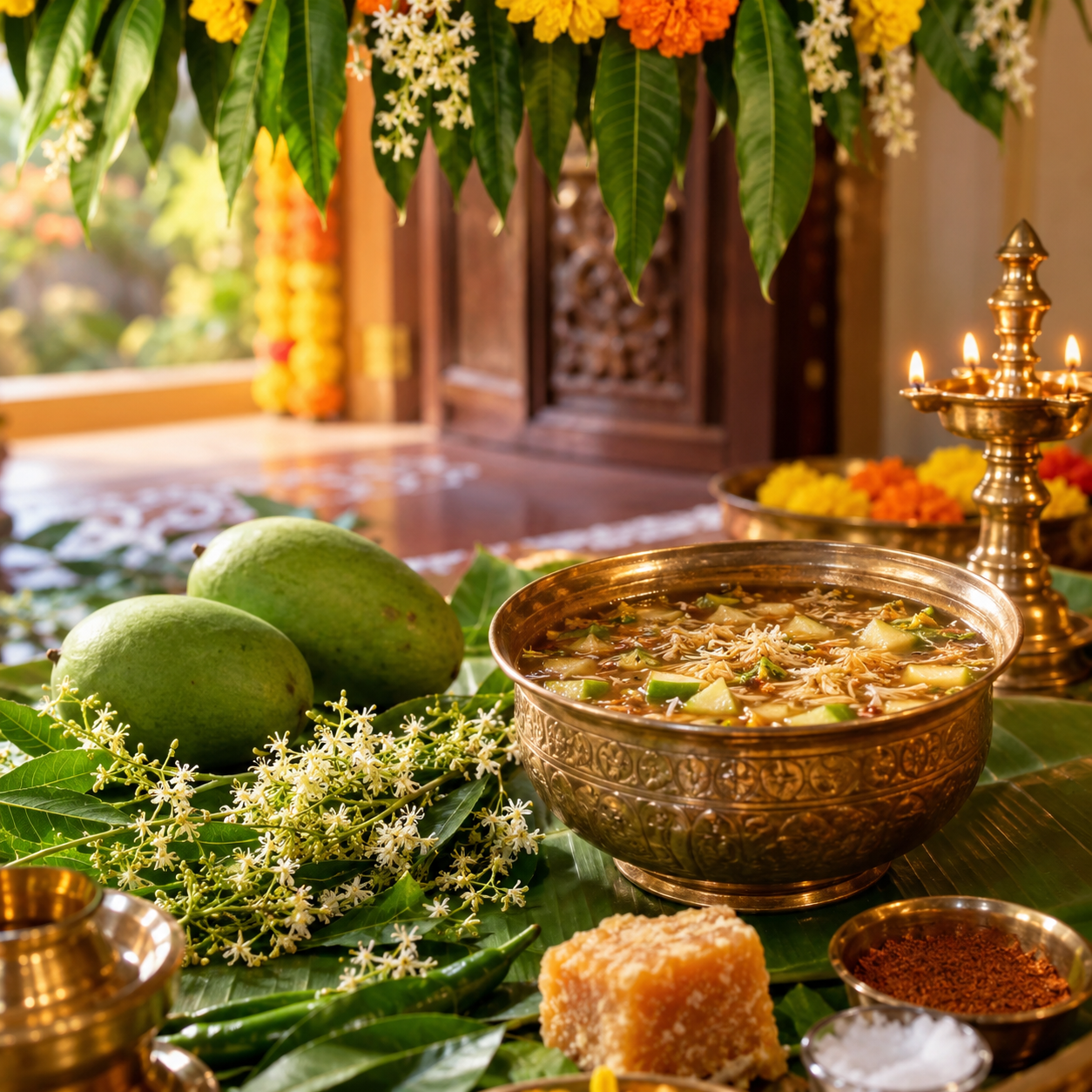 RegionalUgadiThursday, 19 March 2026Paksha: Shukla · Tithi: Prathama
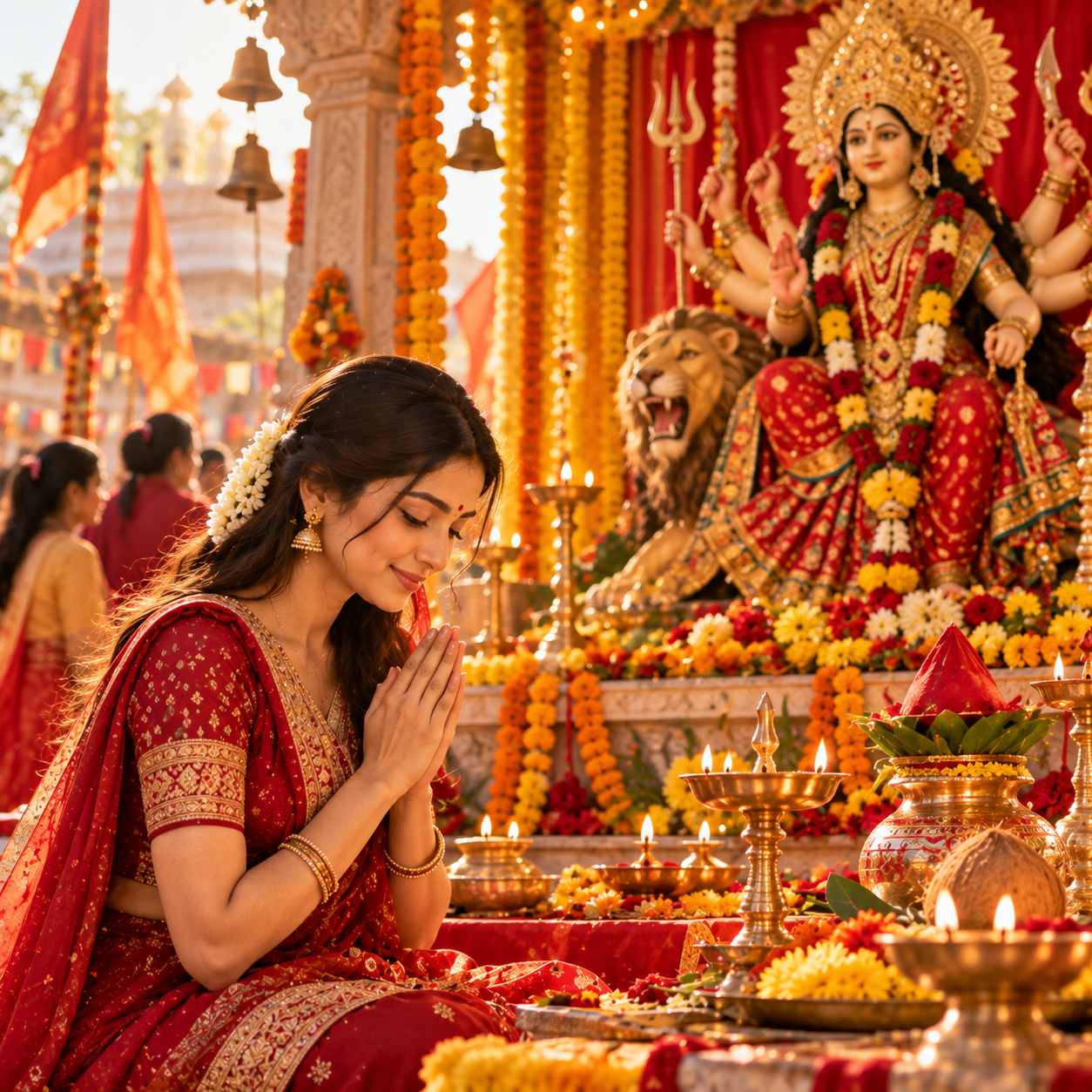 HinduChaitra NavratriThursday, 19 March 2026Paksha: Shukla · Tithi: Prathama
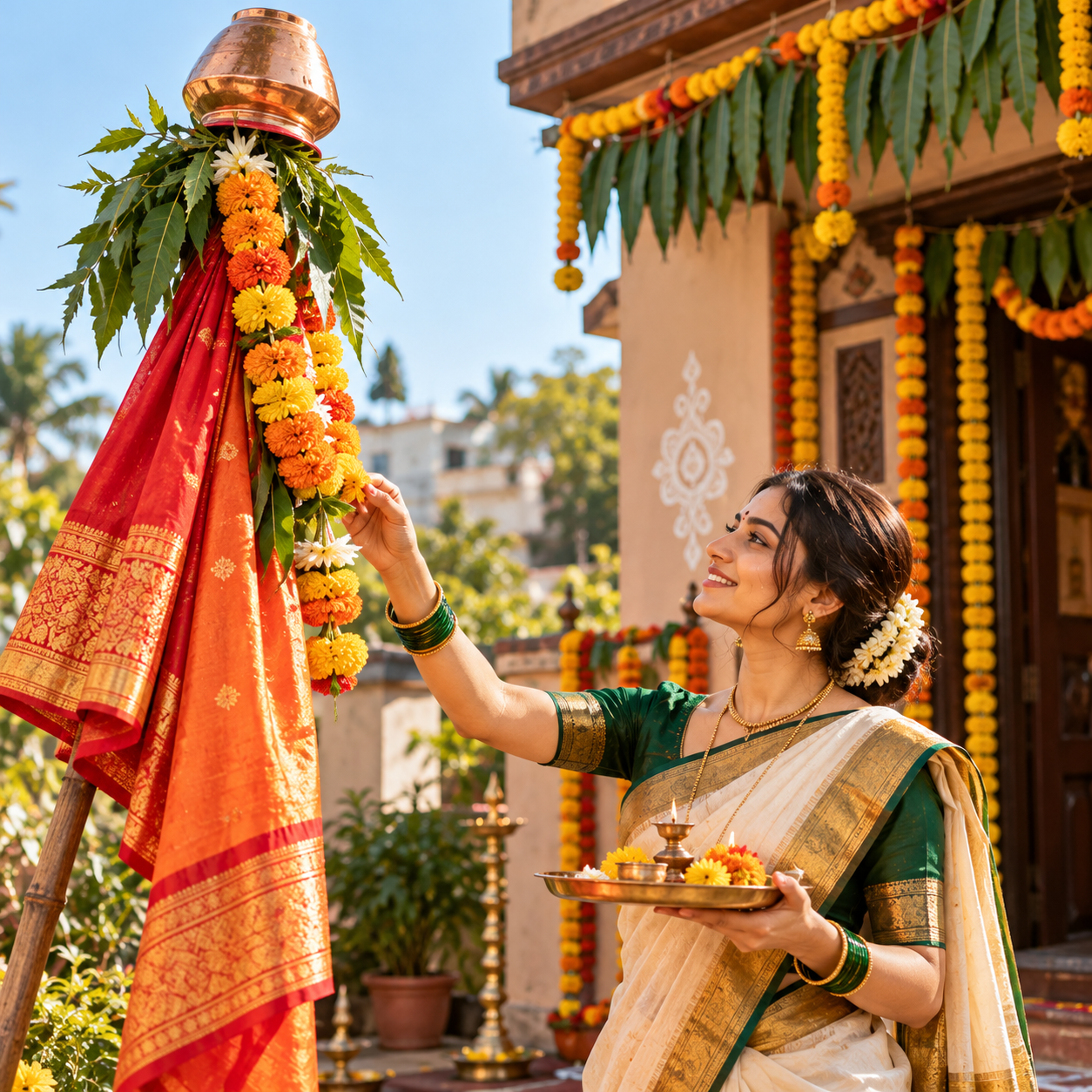 RegionalGudi PadwaThursday, 19 March 2026Paksha: Shukla · Tithi: Prathama
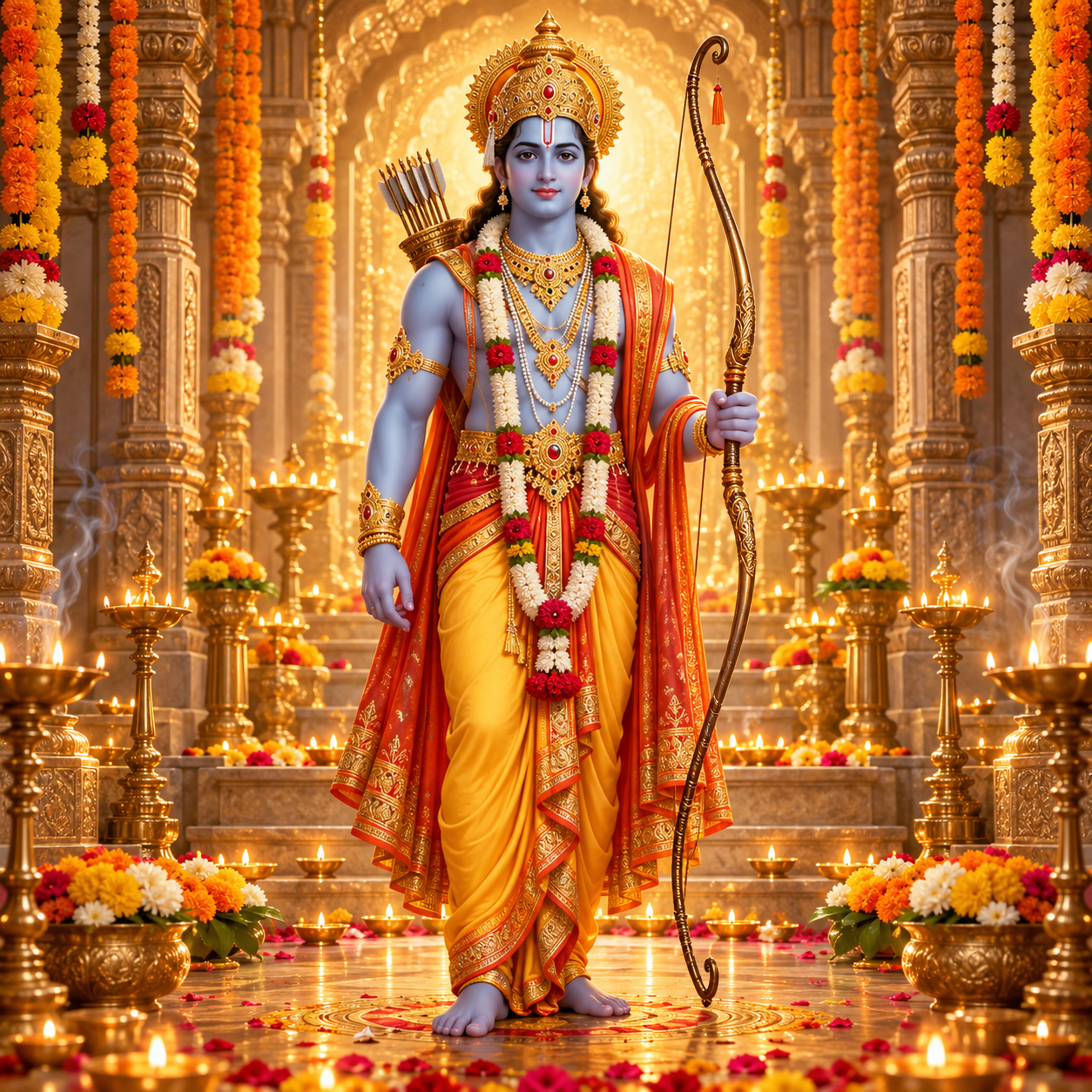 HinduRama NavamiThursday, 26 March 2026Paksha: Shukla · Tithi: NavamiHinduKamada EkadashiSunday, 29 March 2026Paksha: Shukla · Tithi: Dwadashi
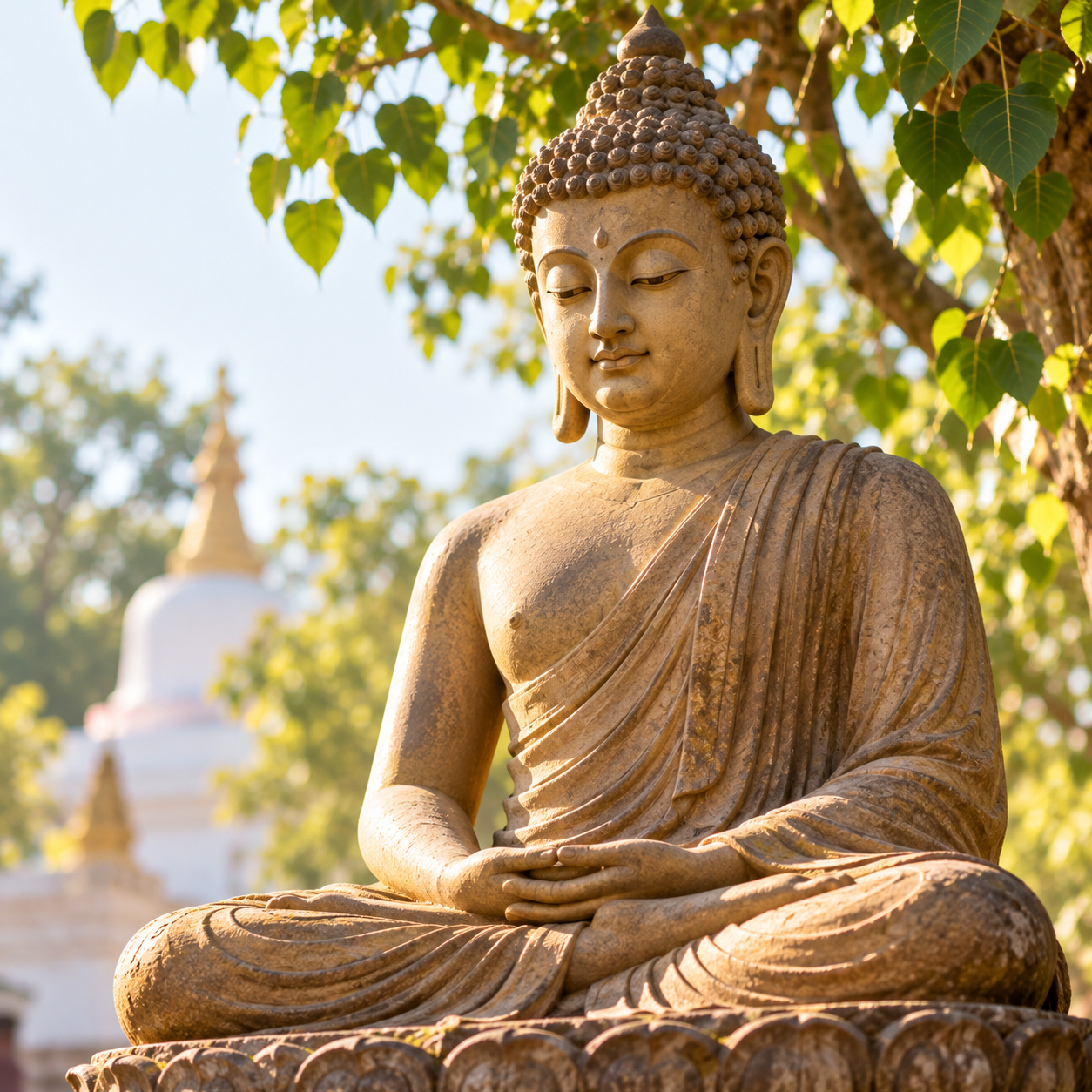 JainMahavir Swami JayantiTuesday, 31 March 2026Paksha: Shukla · Tithi: Chaturdashi
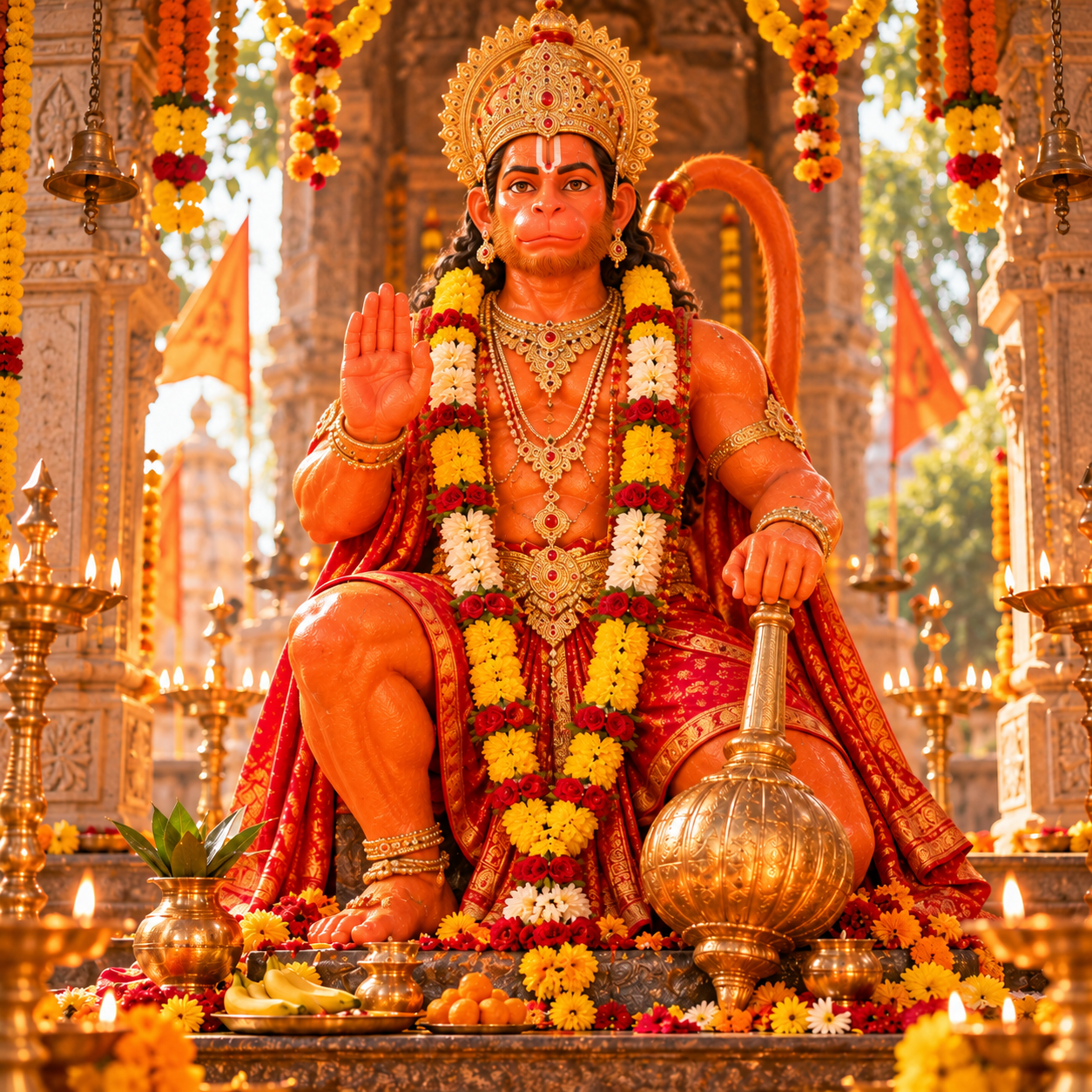 HinduHanuman JayantiThursday, 2 April 2026Paksha: Krishna · Tithi: PrathamaHinduVaruthini EkadashiMonday, 13 April 2026Paksha: Krishna · Tithi: Ekadashi
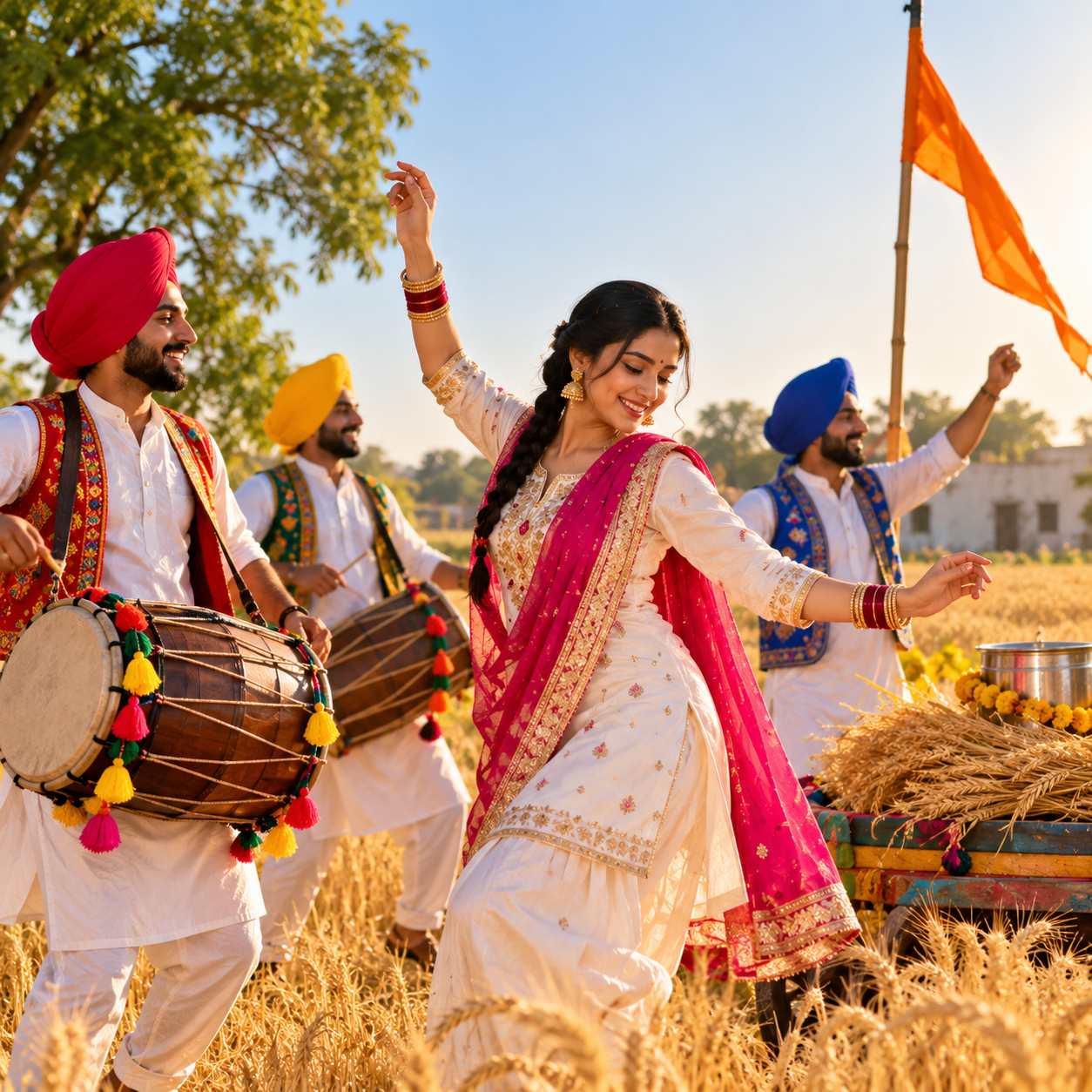 SikhBaisakhiTuesday, 14 April 2026Paksha: Krishna · Tithi: Dwadashi
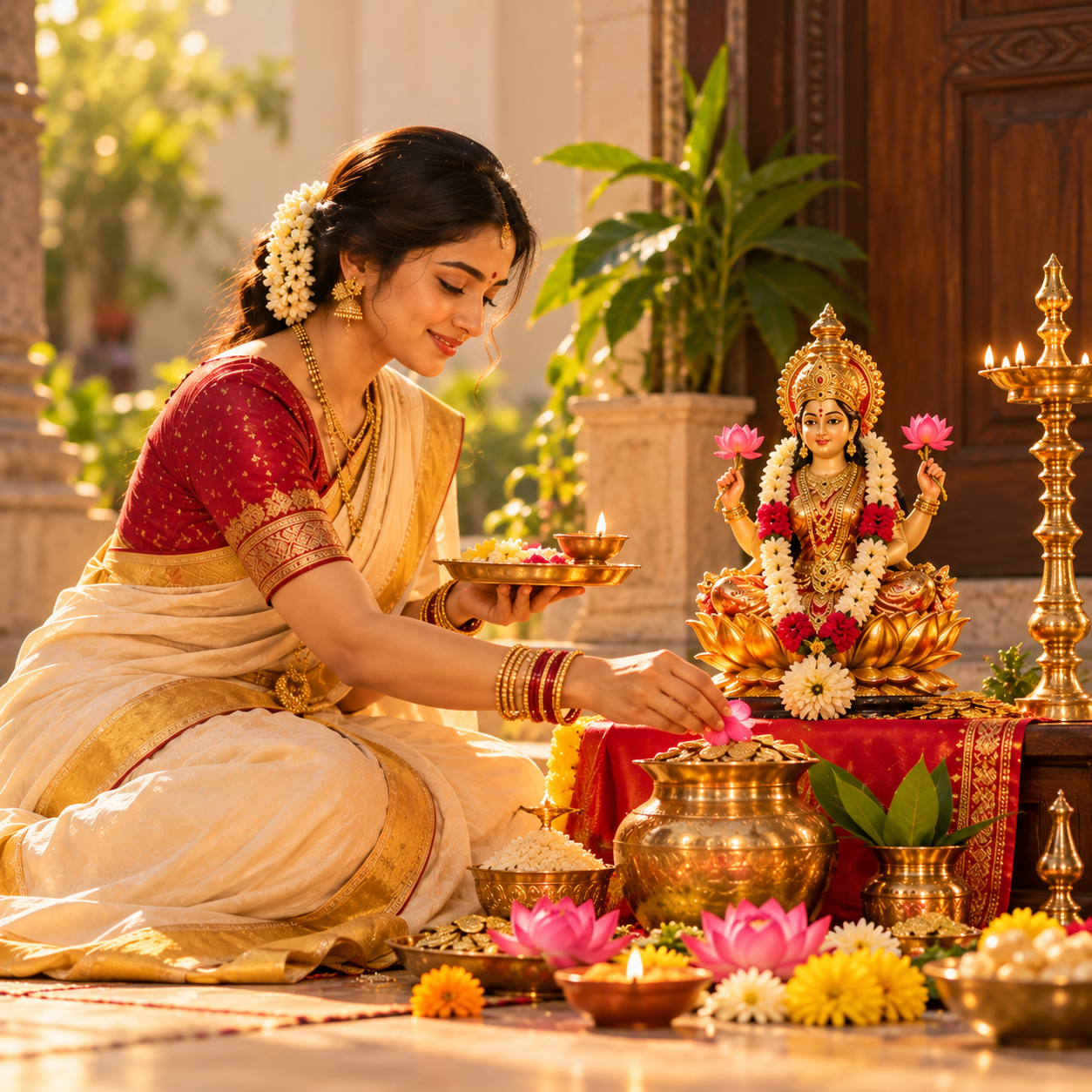 HinduAkshaya TritiyaSunday, 19 April 2026Paksha: Shukla · Tithi: TritiyaHinduMohini EkadashiMonday, 27 April 2026Paksha: Shukla · Tithi: Ekadashi
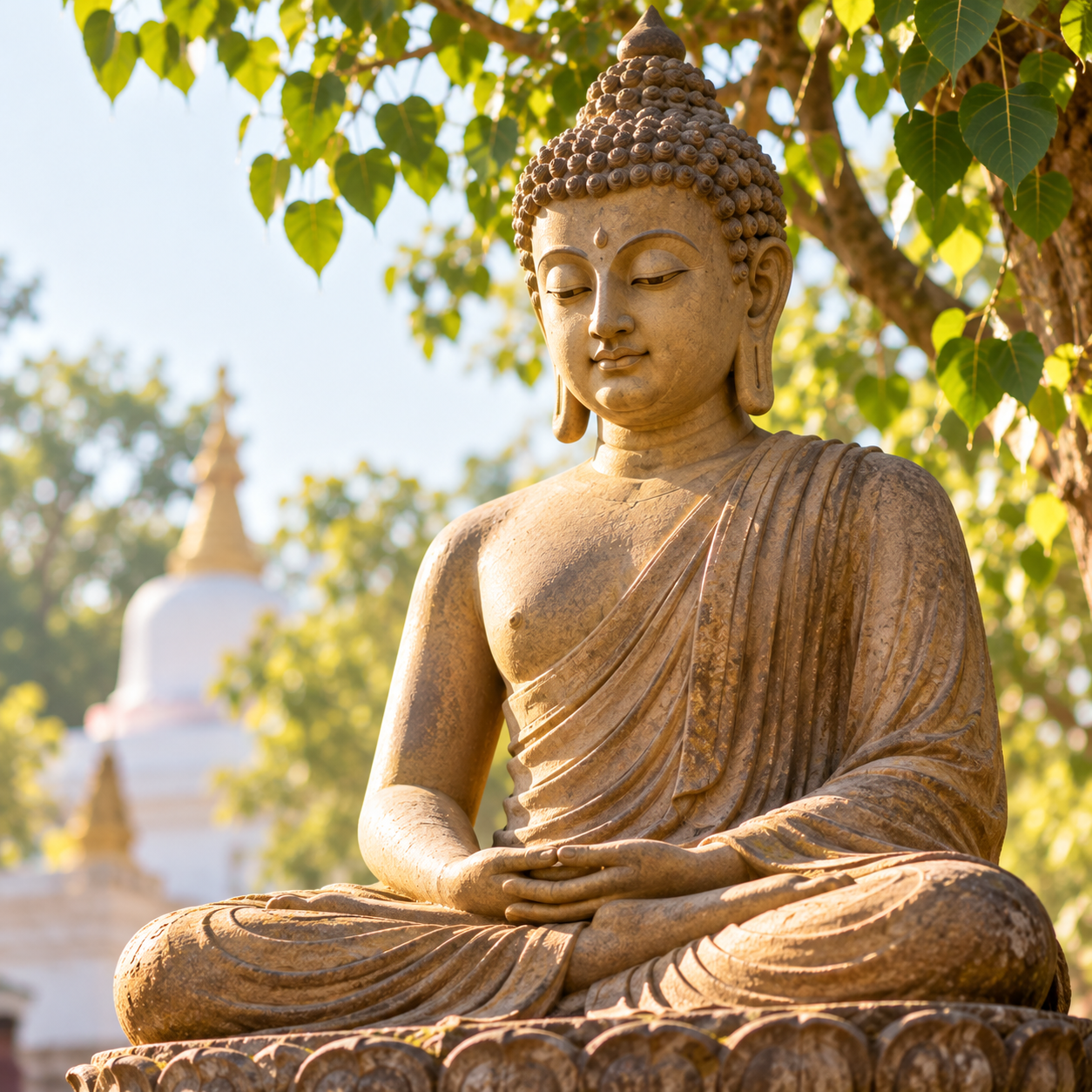 HinduBuddha PurnimaFriday, 1 May 2026Paksha: Shukla · Tithi: PurnimaHinduApara EkadashiWednesday, 13 May 2026Paksha: Krishna · Tithi: EkadashiHinduPadmini EkadashiWednesday, 27 May 2026Paksha: Shukla · Tithi: DwadashiHinduYogini EkadashiFriday, 10 July 2026Paksha: Krishna · Tithi: Ekadashi
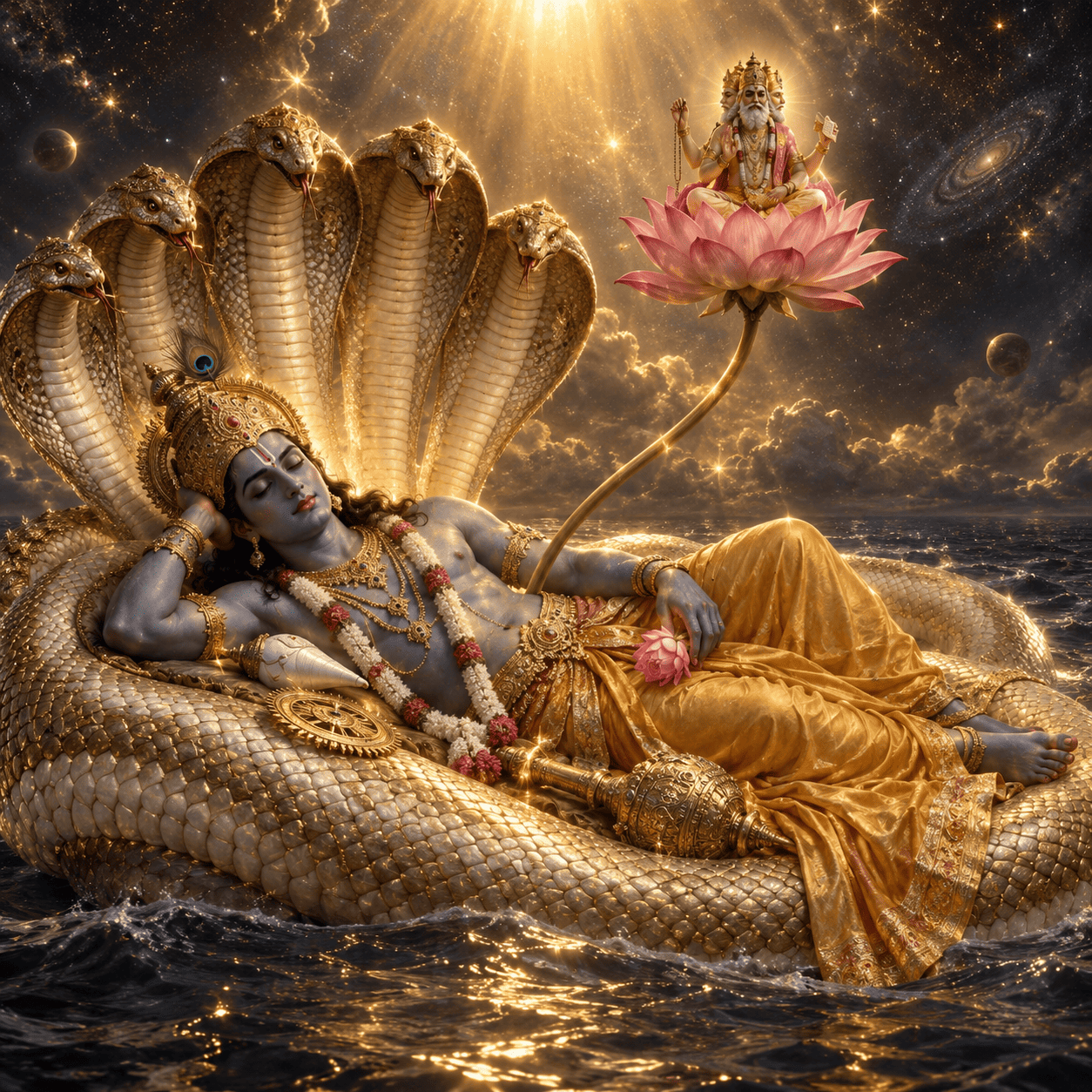 HinduDevshayani EkadashiSaturday, 25 July 2026Paksha: Shukla · Tithi: Dwadashi
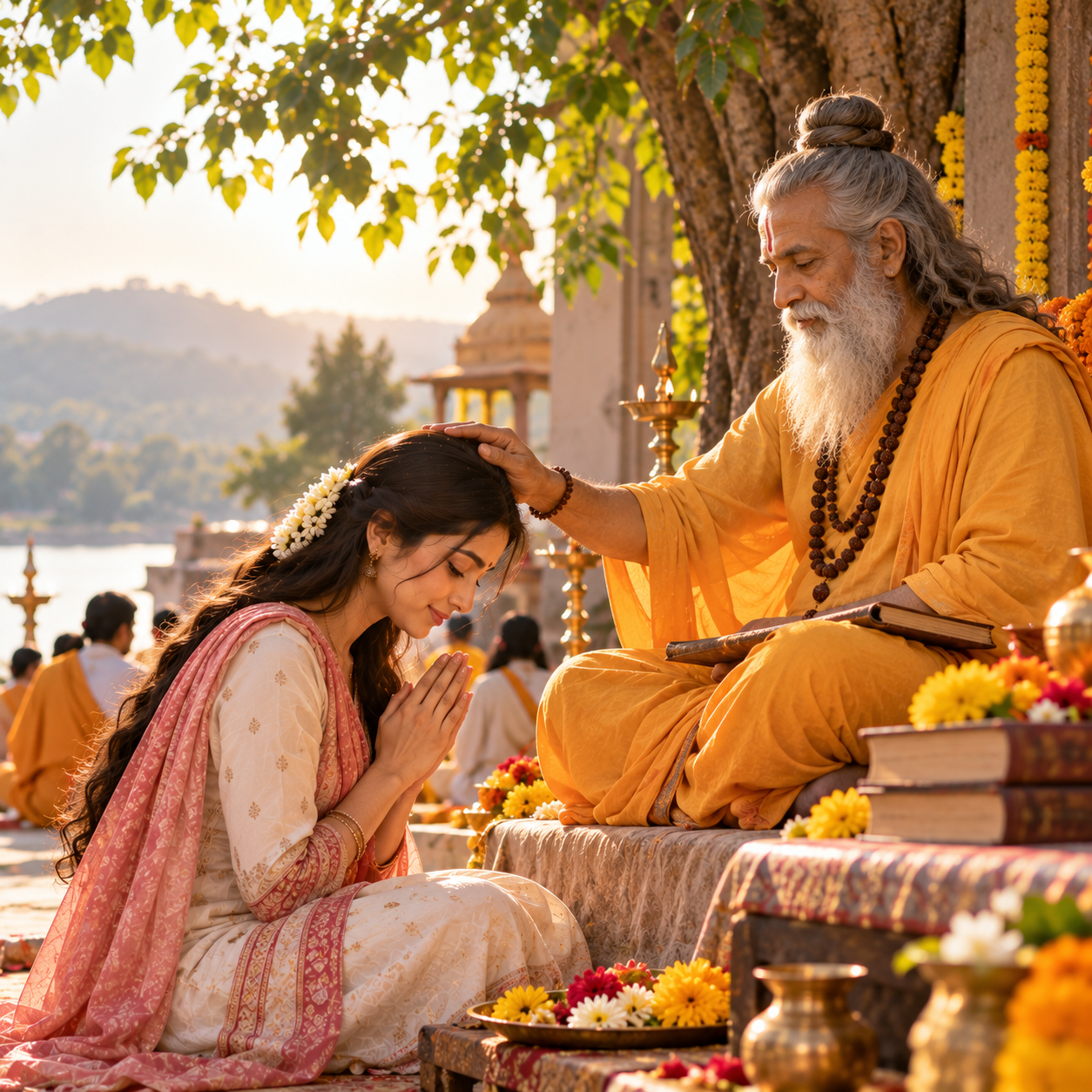 HinduGuru PurnimaWednesday, 29 July 2026Paksha: Shukla · Tithi: PurnimaHinduKamika EkadashiSunday, 9 August 2026Paksha: Krishna · Tithi: Dwadashi
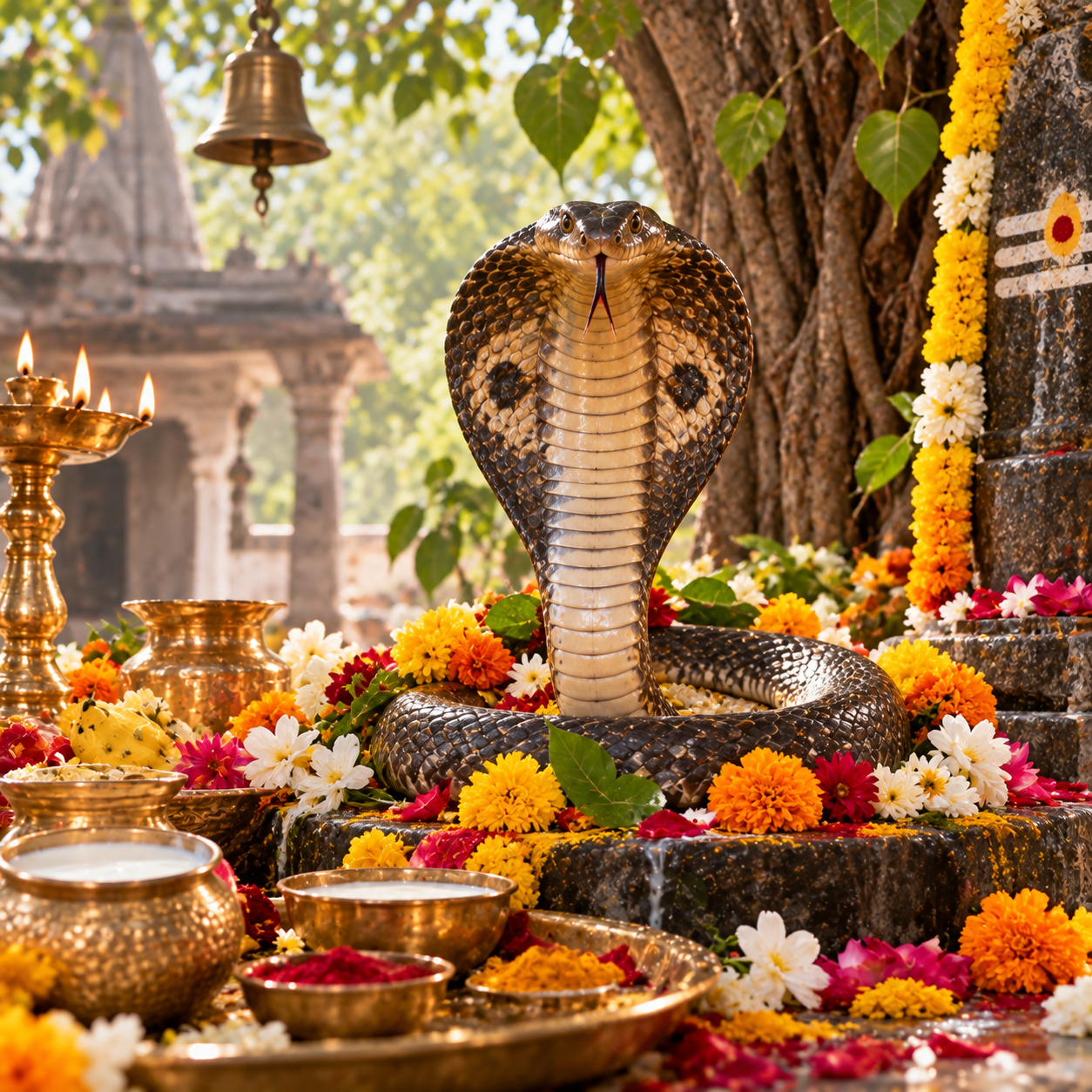 HinduNag PanchamiMonday, 17 August 2026Paksha: Shukla · Tithi: PanchamiHinduShravana Putrada EkadashiSunday, 23 August 2026Paksha: Shukla · Tithi: Ekadashi
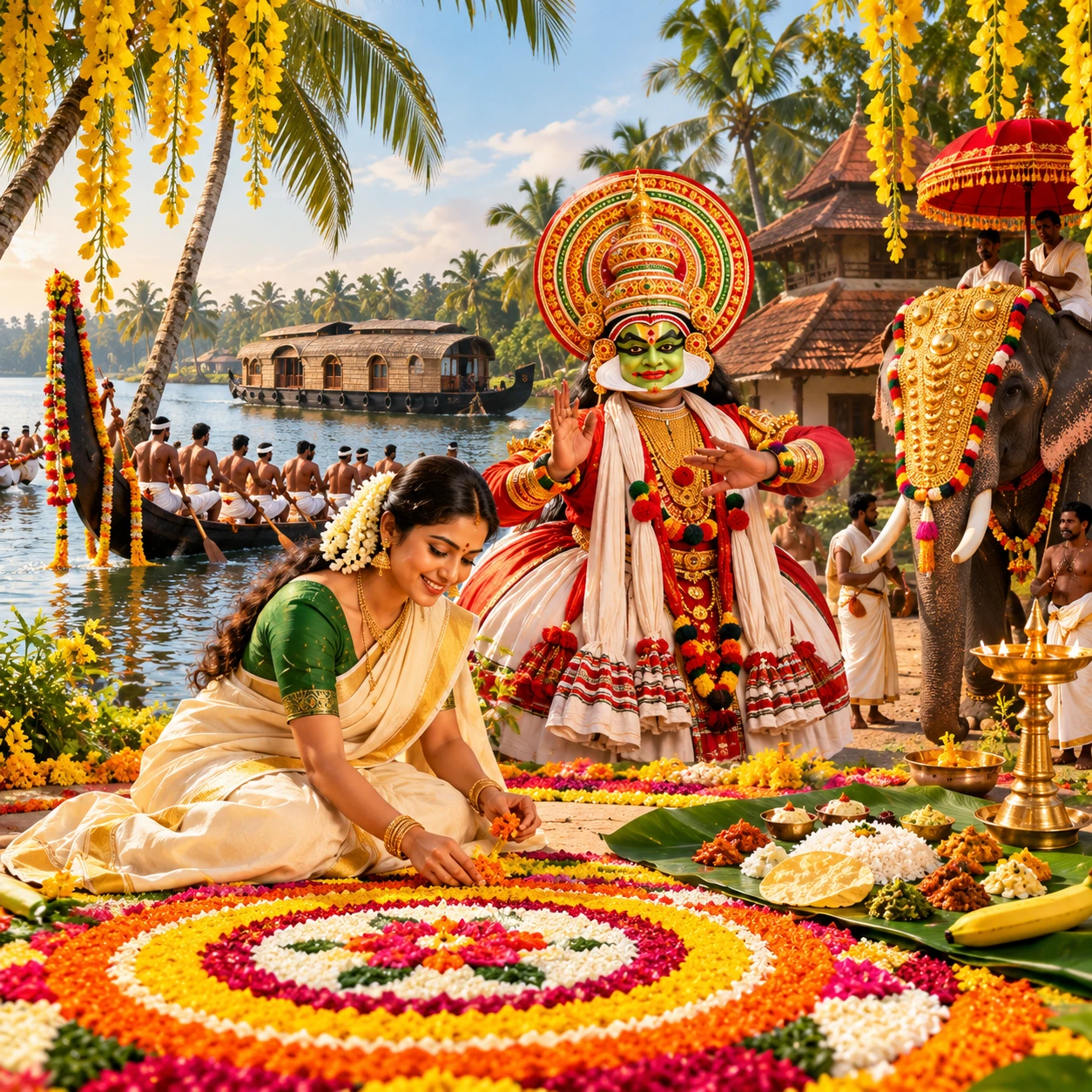 RegionalOnamWednesday, 26 August 2026Paksha: Shukla · Tithi: Chaturdashi
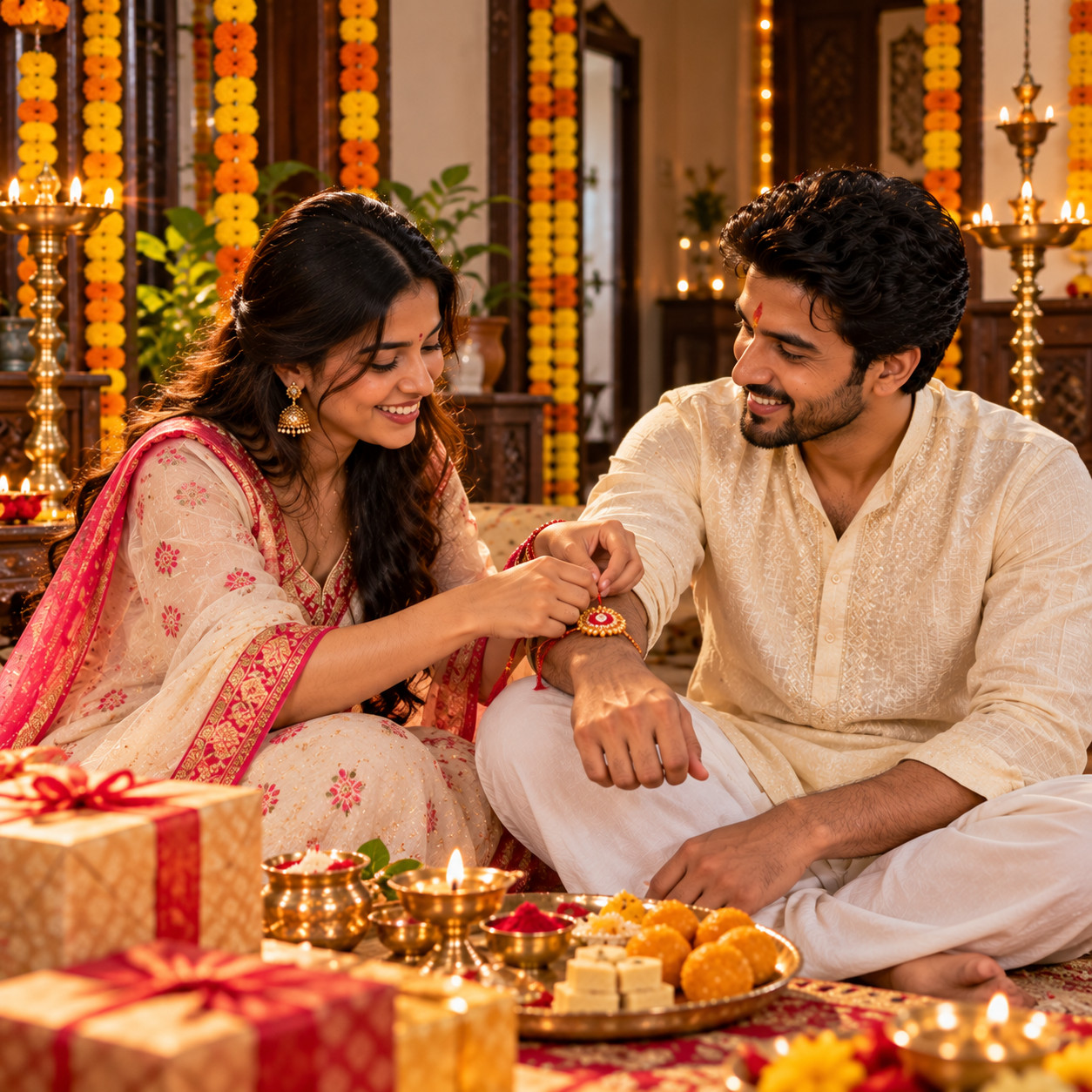 HinduRaksha BandhanFriday, 28 August 2026Paksha: Krishna · Tithi: Prathama
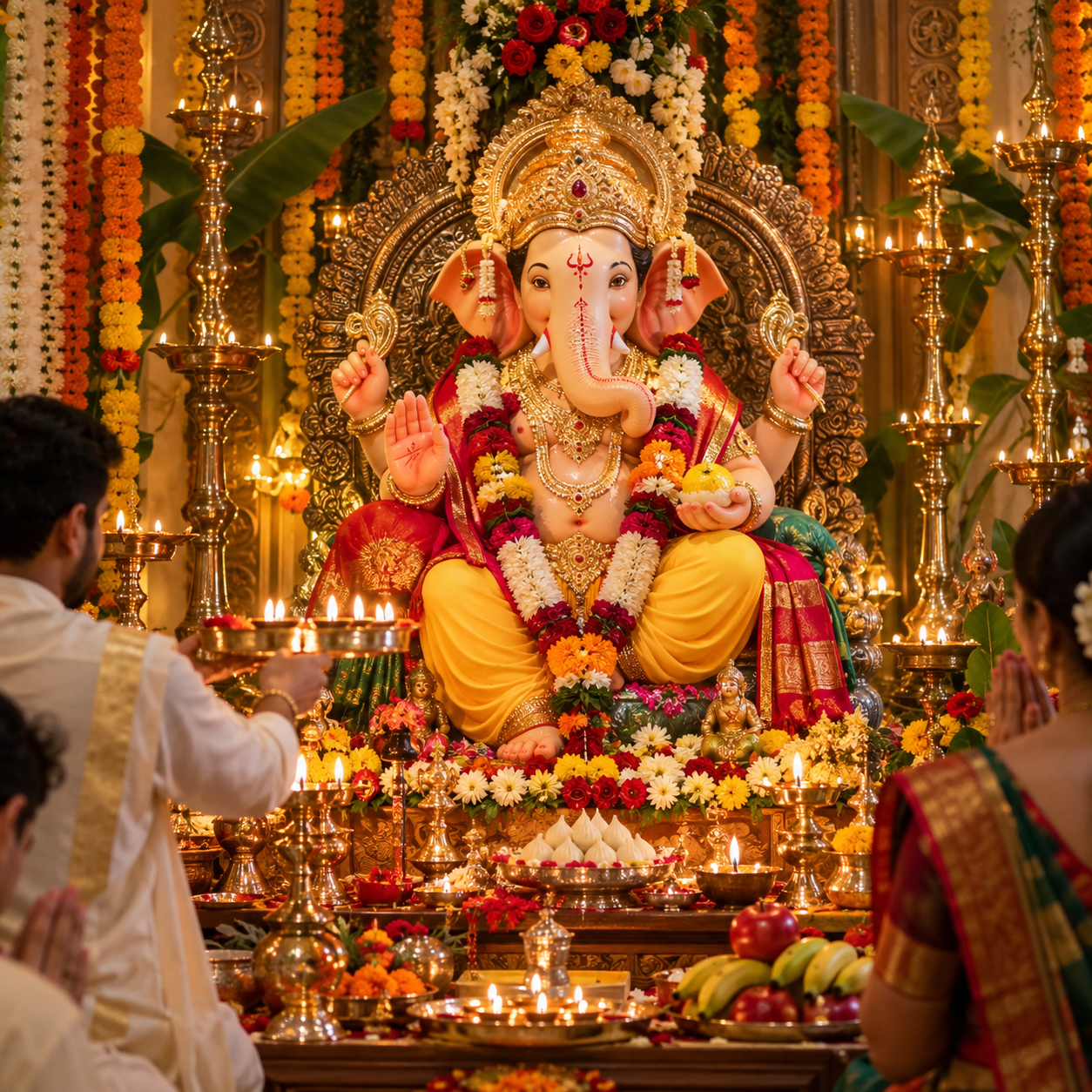
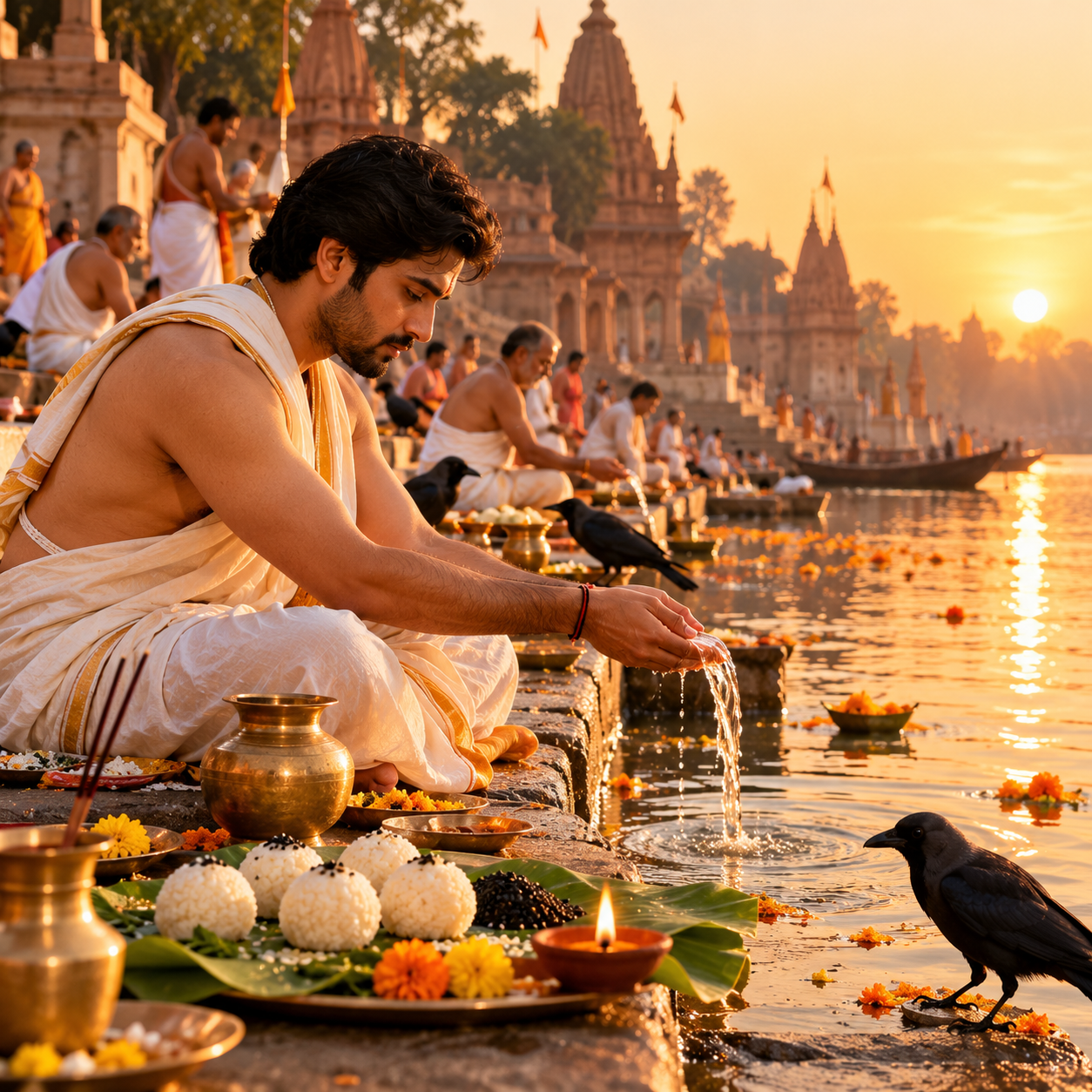 HinduPitru PakshaSunday, 4 October 2026Paksha: Krishna · Tithi: NavamiHinduIndira EkadashiTuesday, 6 October 2026Paksha: Krishna · Tithi: EkadashiHinduPitru PakshaSaturday, 10 October 2026Paksha: Krishna · Tithi: Amavasya
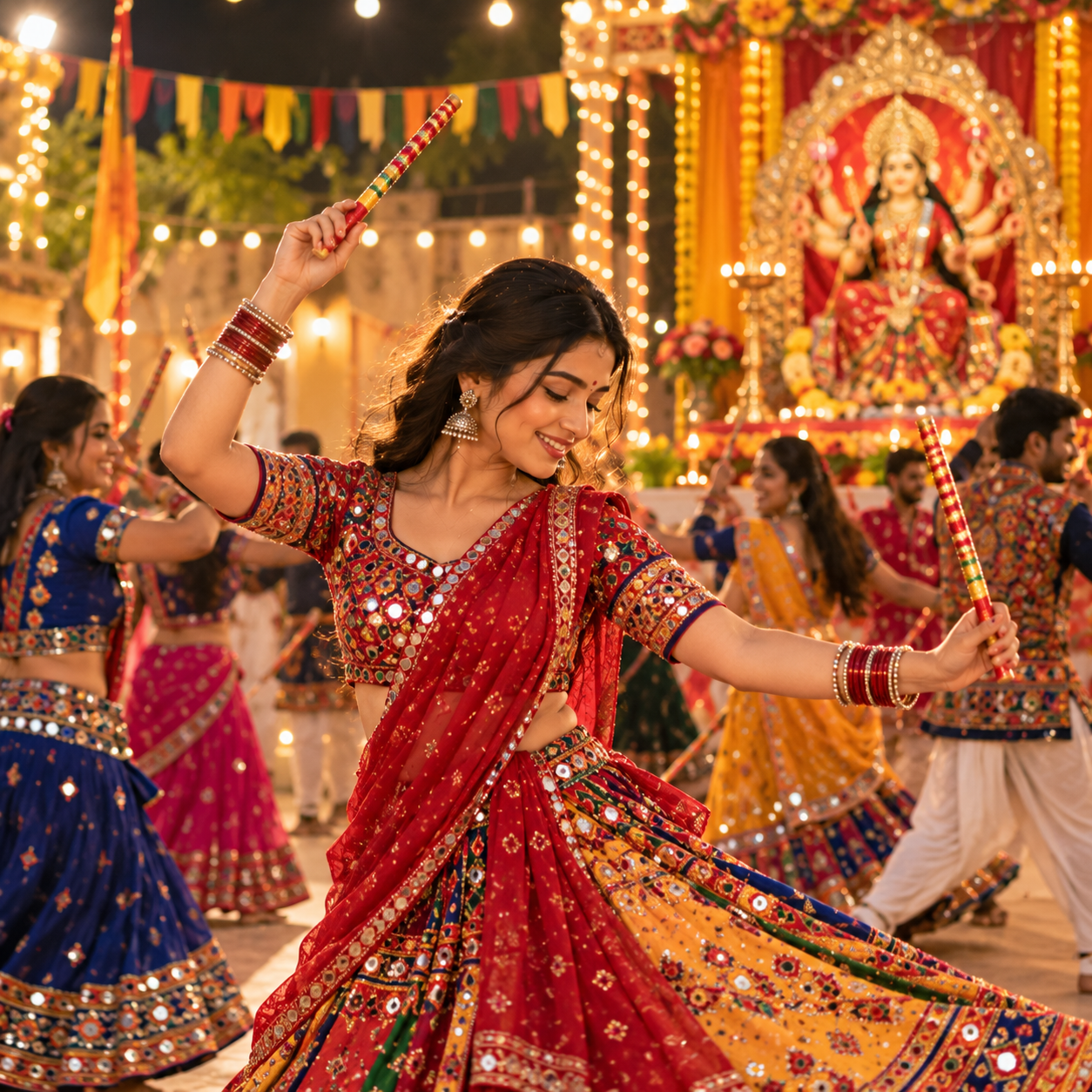 HinduShardiya NavratriSunday, 11 October 2026Paksha: Shukla · Tithi: Prathama
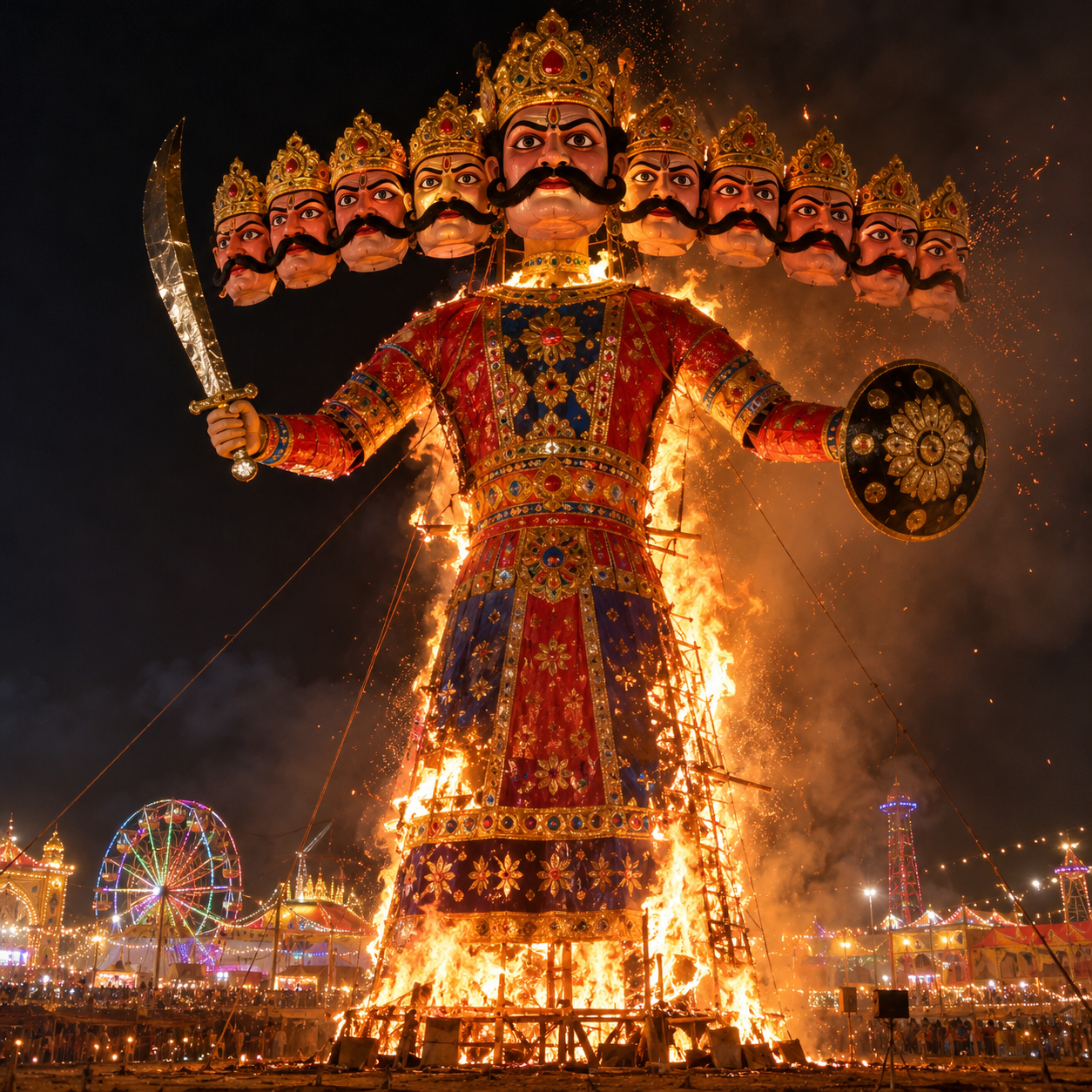 HinduDussehraTuesday, 20 October 2026Paksha: Shukla · Tithi: NavamiHinduPapankusha EkadashiThursday, 22 October 2026Paksha: Shukla · Tithi: Ekadashi
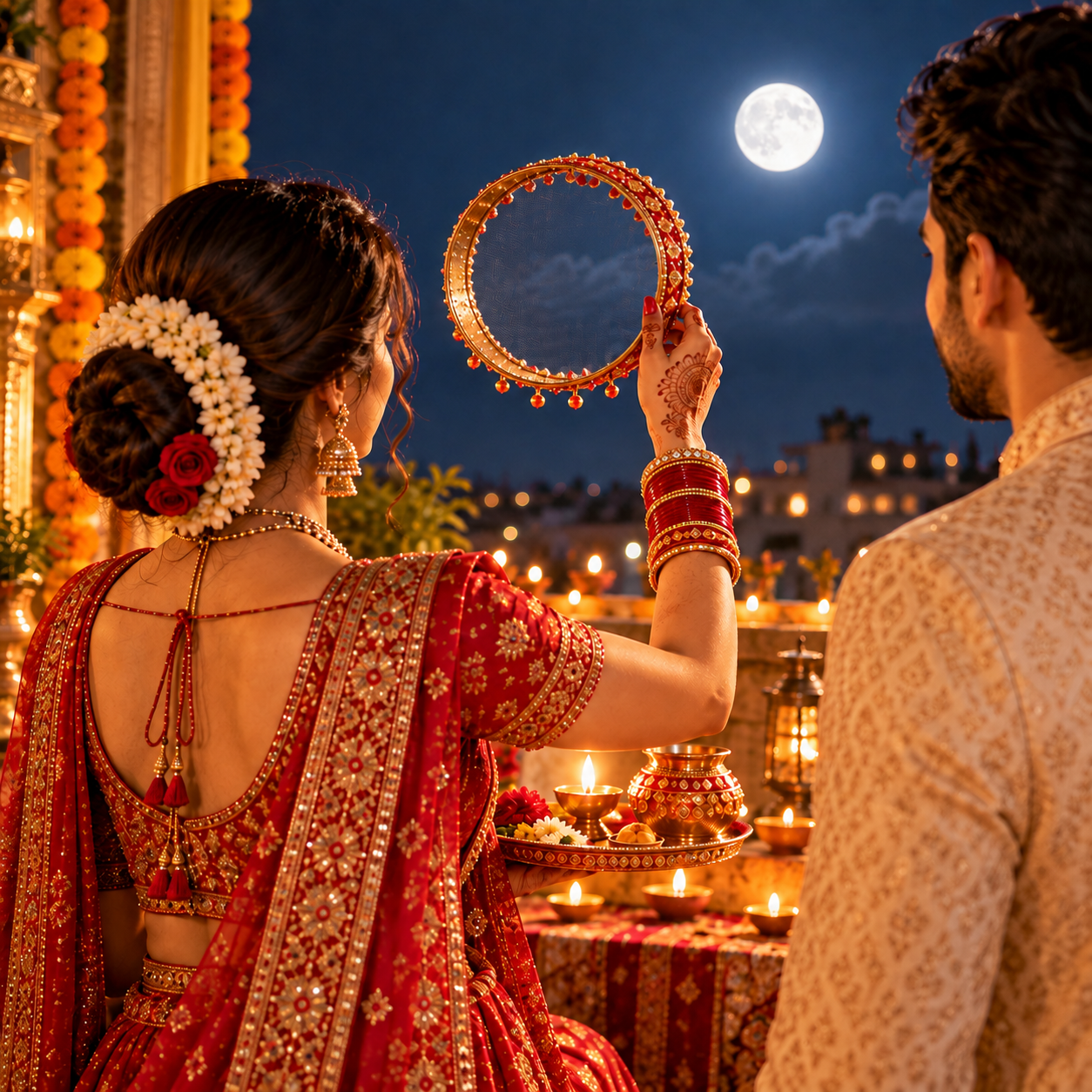 HinduKarwa ChauthThursday, 29 October 2026Paksha: Krishna · Tithi: ChaturthiHinduRama EkadashiThursday, 5 November 2026Paksha: Krishna · Tithi: Dwadashi
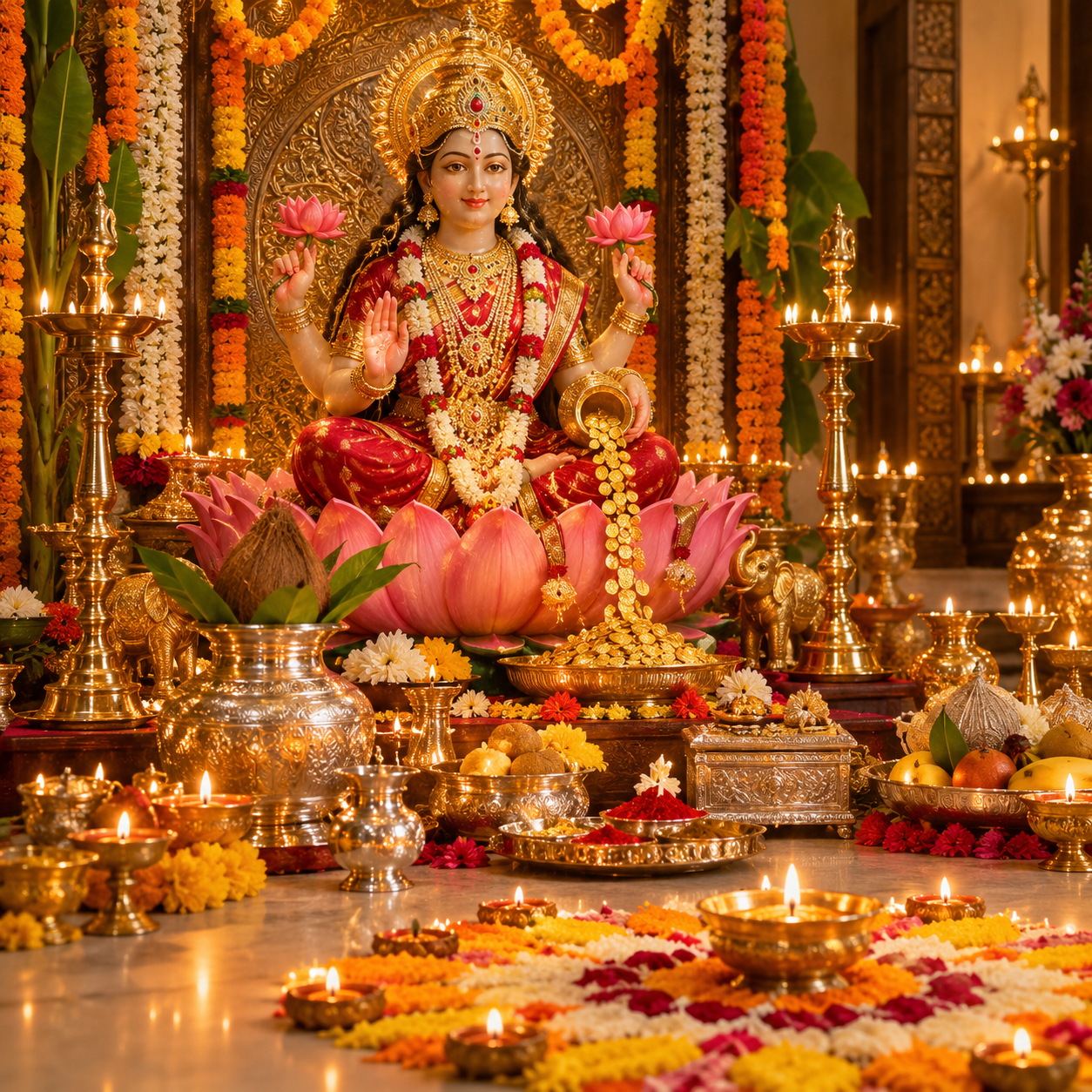 HinduDhan TerasFriday, 6 November 2026Paksha: Krishna · Tithi: Trayodashi
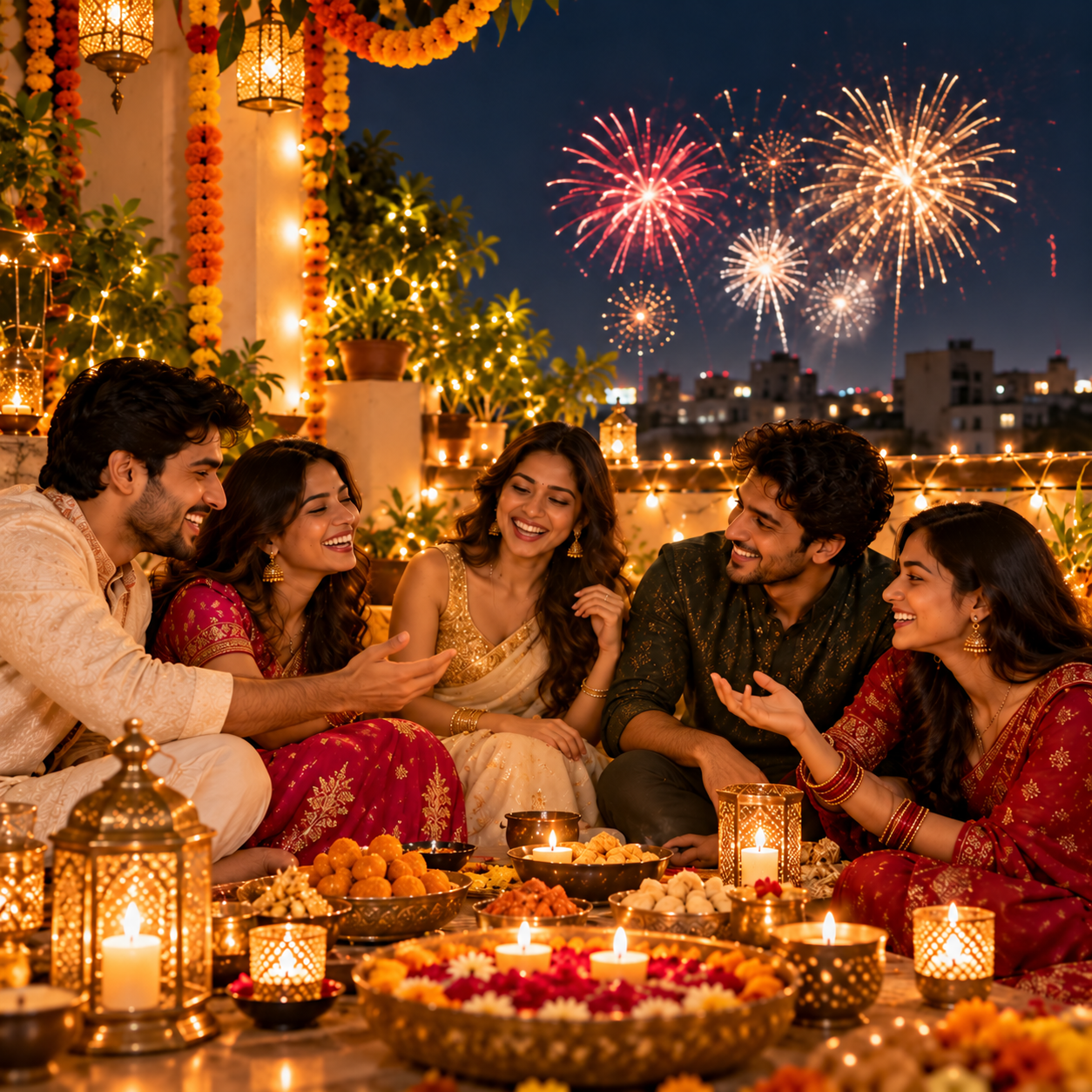 HinduDiwaliSunday, 8 November 2026Paksha: Krishna · Tithi: Amavasya
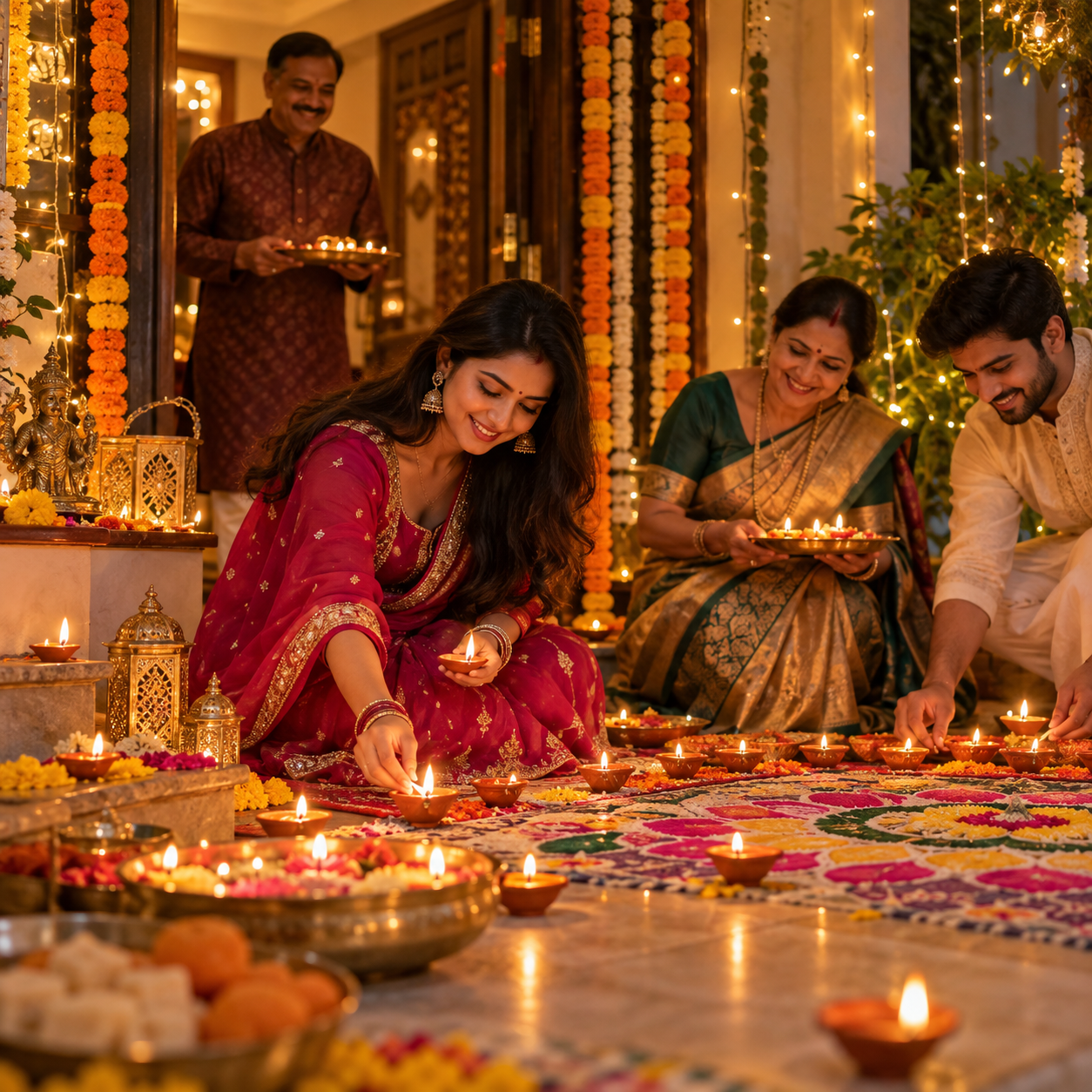 HinduNarak ChaturdashiSunday, 8 November 2026Paksha: Krishna · Tithi: Amavasya
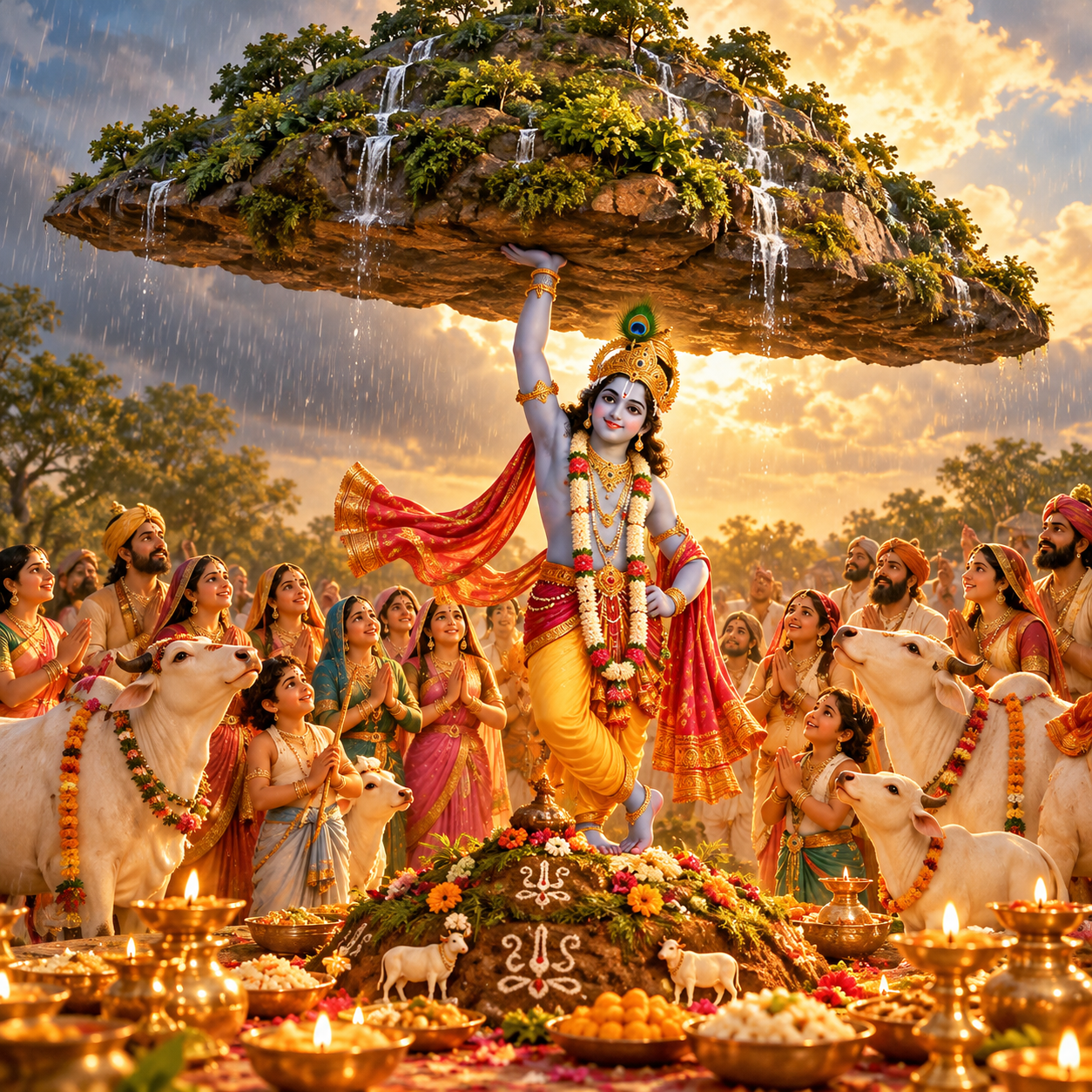 HinduGovardhan PujaTuesday, 10 November 2026Paksha: Shukla · Tithi: Prathama
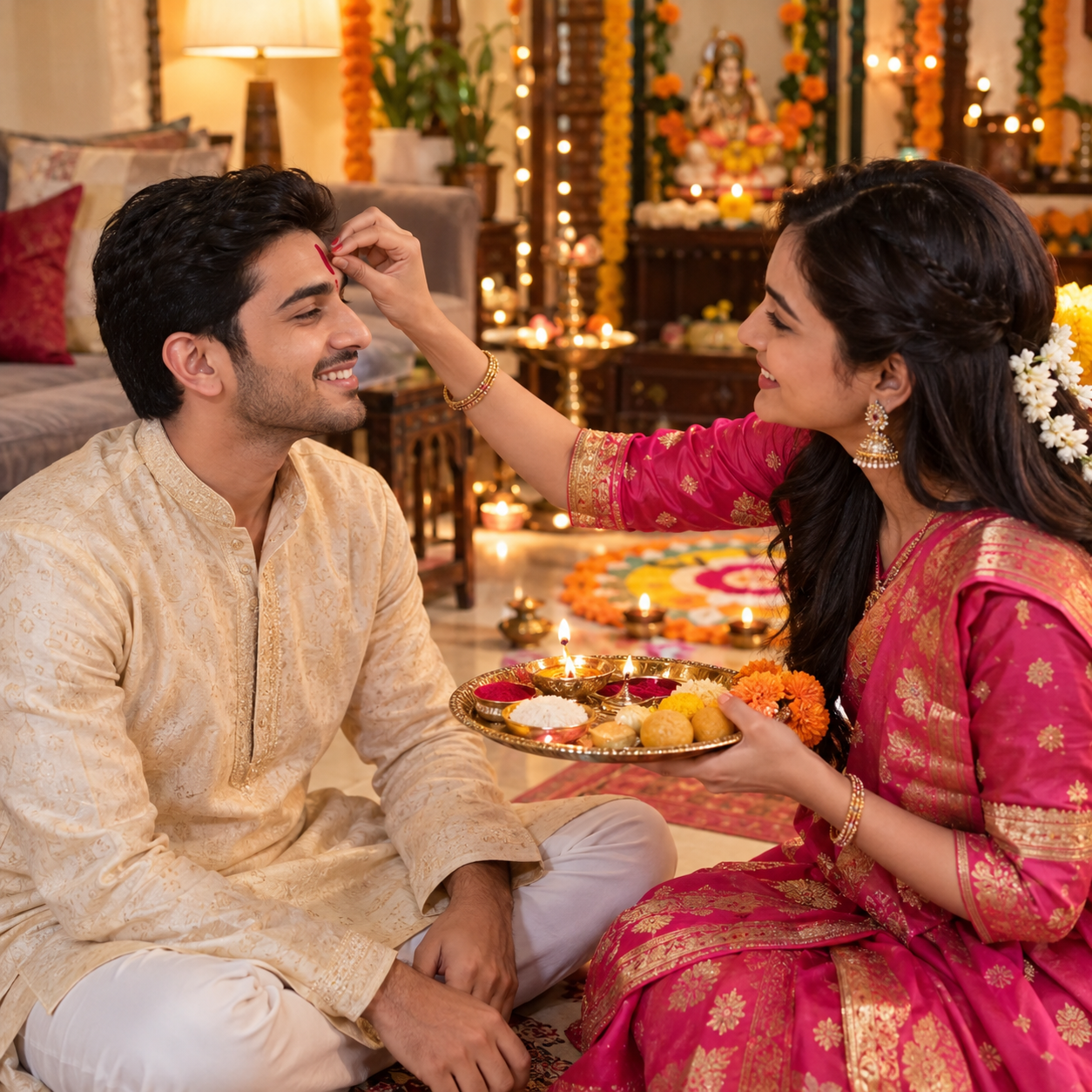 HinduBhai DoojWednesday, 11 November 2026Paksha: Shukla · Tithi: Dwitiya
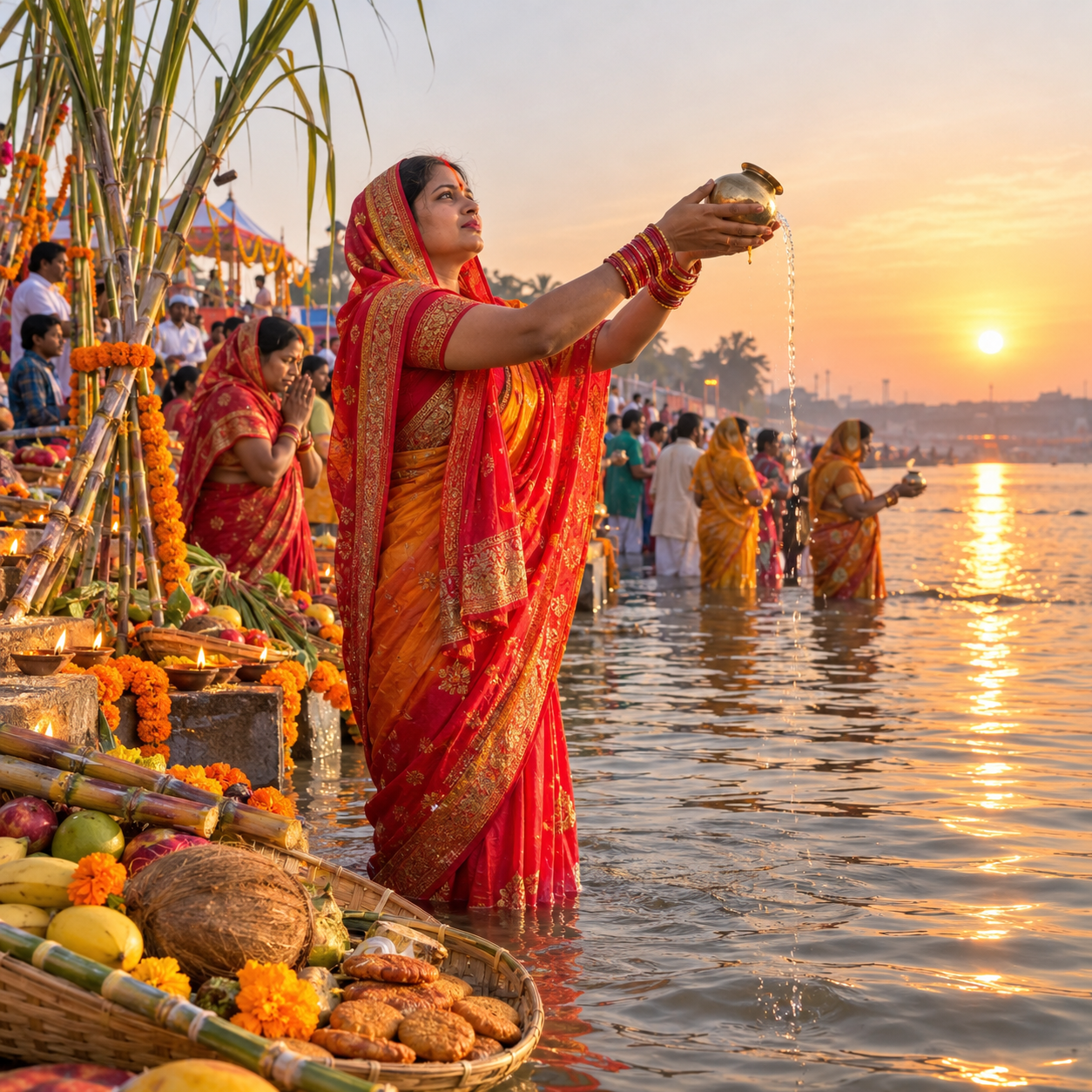 RegionalChhath PujaSunday, 15 November 2026Paksha: Shukla · Tithi: Shashthi
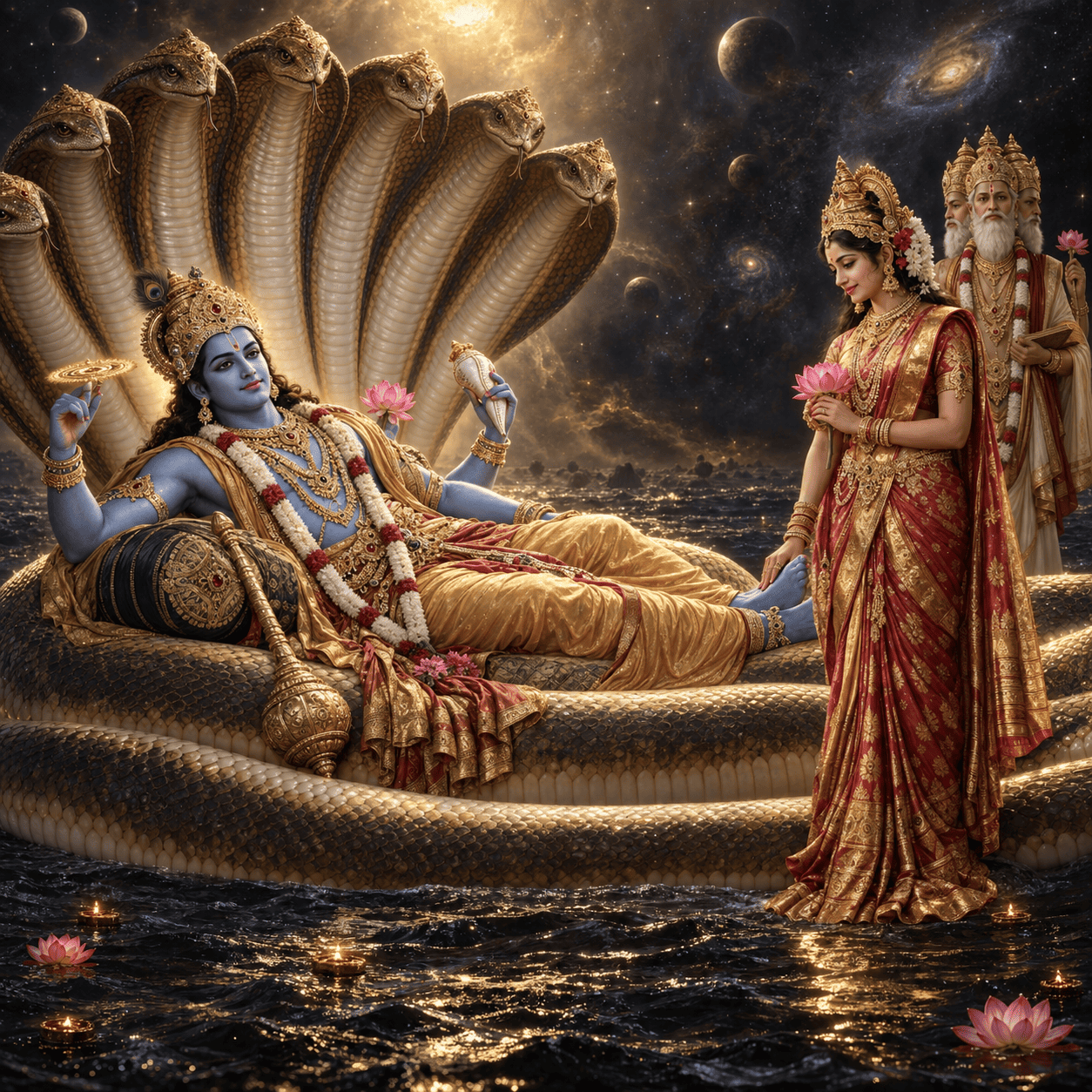 HinduDevutthana EkadashiFriday, 20 November 2026Paksha: Shukla · Tithi: Ekadashi
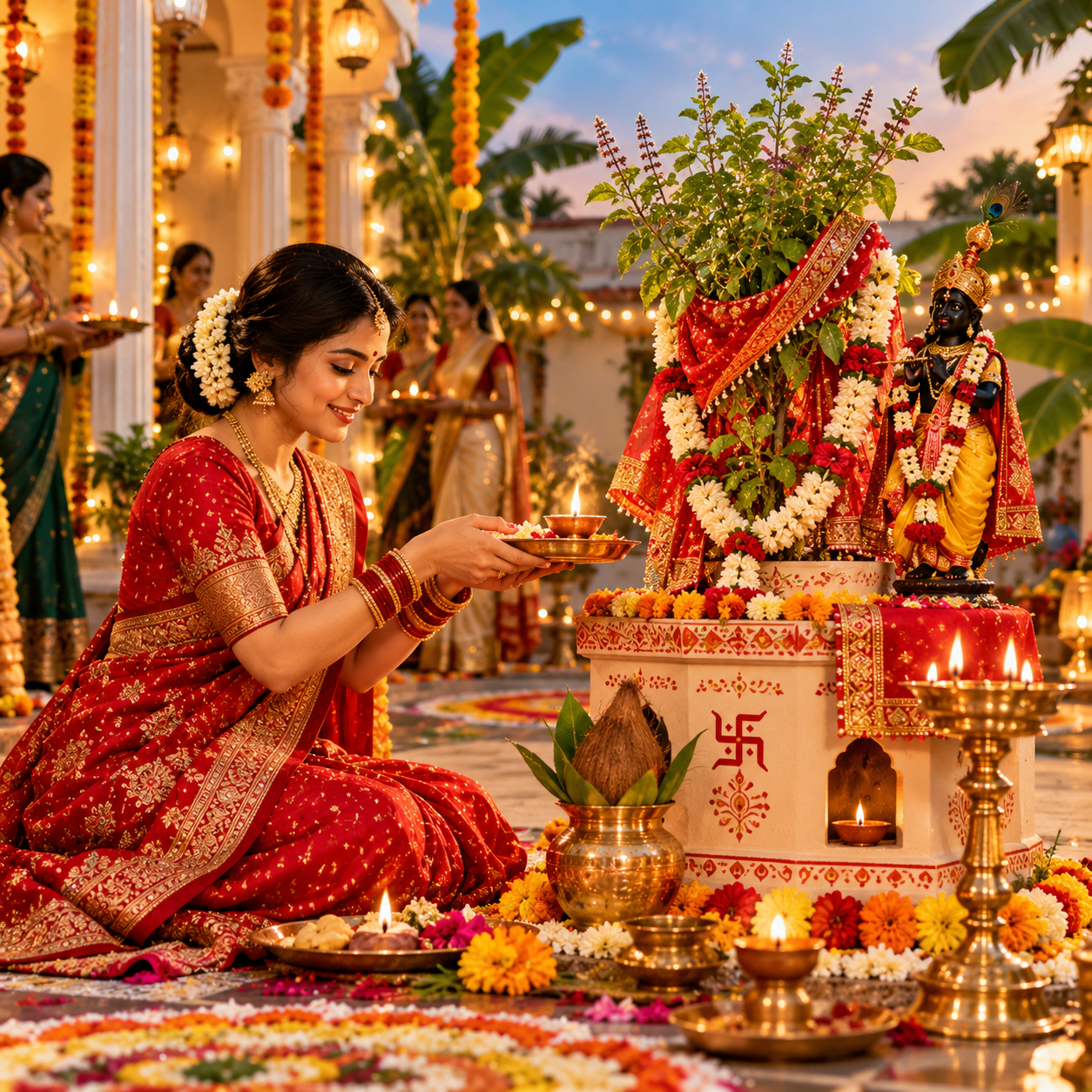 HinduTulasi VivahSaturday, 21 November 2026Paksha: Shukla · Tithi: DwadashiHinduUtpanna EkadashiFriday, 4 December 2026Paksha: Krishna · Tithi: EkadashiHinduVaikuntha EkadashiSunday, 20 December 2026Paksha: Shukla · Tithi: EkadashiHinduMokshada EkadashiSunday, 20 December 2026Paksha: Shukla · Tithi: Ekadashi
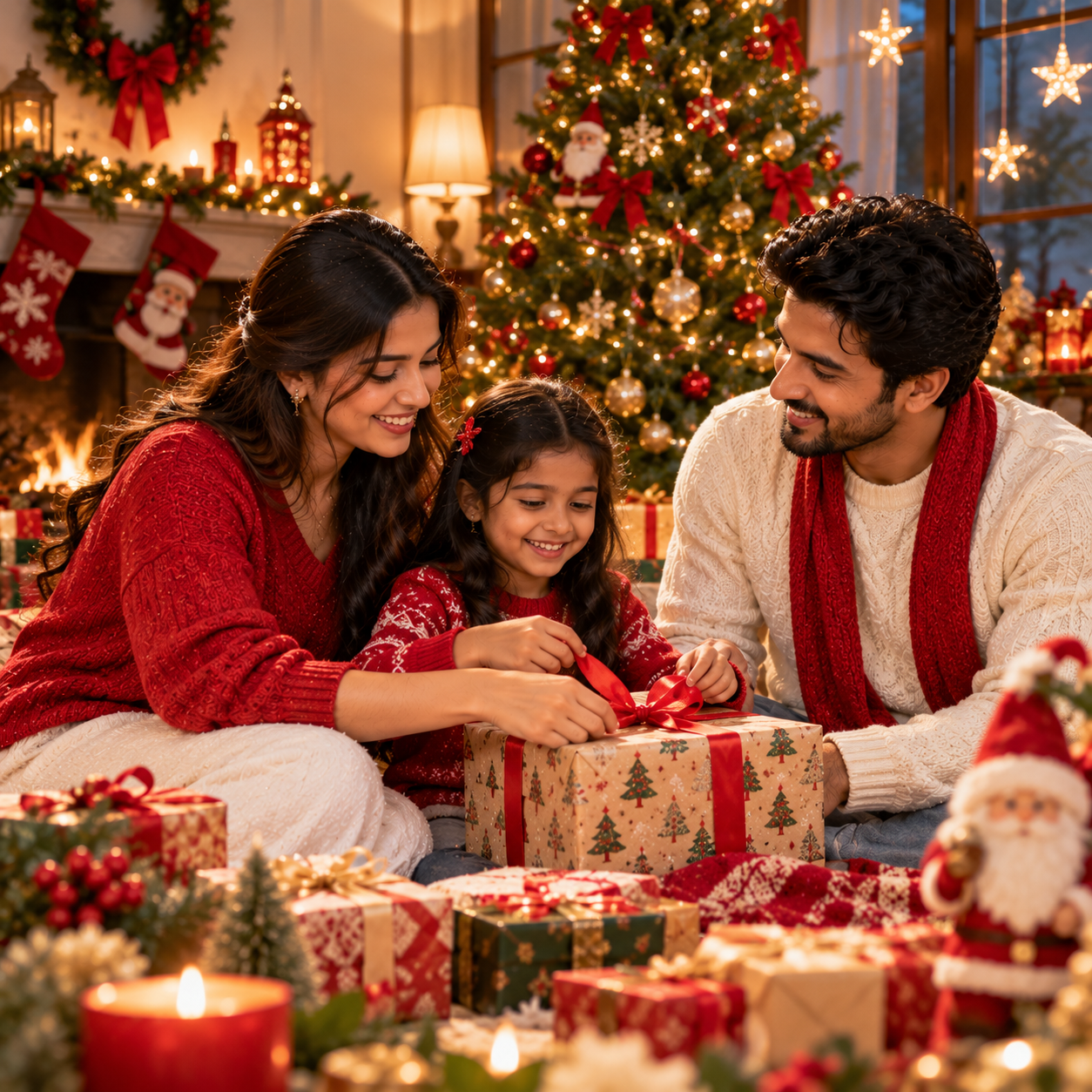 ChristianMerry ChristmasFriday, 25 December 2026Paksha: Krishna · Tithi: Dwitiya
Festivals play an important part in India’s culture and spiritual life. These are days when people come together, follow traditions, and treat them as an opportunity to connect with friends, family, and community. From religious ceremonies, prayers, and fasting to family gatherings, each celebration carries different meanings and its own set of customs.
In 2026, there are many festivals, and if you want to understand how dates, puja timings, and rituals are determined, this page serves as a complete guide. Read on to learn more.
What Is the Significance of Festivals in India?
Festivals are not just mere occasions in India or days related to celebration. They carry much deeper meanings, which are
- Beliefs
- Values
- Traditions
These days represent all these values that have been passed down through generations. For many people, festivals are not just celebrations but days when one expresses gratitude, offers prayers, seeks blessings, and reconnects with one's spiritual beliefs.
These days foster a feeling of love and harmony in family and community. They also mark the days when people come together, prepare delicious foods, decorate their homes, visit places of worship, and participate in religious ceremonies. These shared experiences foster a sense of love among people and keep traditions alive.
Each festival's significance varies according to religion, region, and the community observing it. Every celebration's criteria are different. Some primarily focus on devotion or prayer; others mark seasonal changes; some celebrate the win of good over evil.
When one understands the meaning, they experience the true essence of a festival. One should thus know why certain festivals are celebrated and what determines their dates. Learn more about the same in the sections below.
Festival Calendar: How Are Festival Dates Determined?
A festival calendar can help you track important occasions for the entire year. However, festival dates vary each year. It follows the Hindu Panchang, which takes many factors into account. As per tradition, tithi and nakshatra set the date, and sunrise, sunset, or moonrise decide the day it falls on.
A traditional Hindu calendar takes into consideration tithi, nakshatra, yoga, karana, and weekday to determine festival dates and timings. For specific festival dates, tithi and nakshatra are taken into account.
- Tithi: Tithis play an important role in determining festival dates as per the Hindu calendar. A Tithi is determined by the angular relationship between the Sun and Moon.
- Nakshatra: Nakshatras also play an important role in determining festival dates. The Moon's position in a particular Nakshatra also determines the date on which a specific festival falls.
Note: Festival dates vary by region or calendar; it is best to check a local panchang to determine accurate festival timings and dates.
Common Festival Rituals and Traditions
Festival rituals vary across different religions, communities, and cities or regions. However, here are some of the practices that are actually performed or followed.
Offering Prayers
Prayer or puja is a form of worship performed that is performed to connect with the divine or to invoke a positive environment. Based on the specific festivals, the tradition of offering prayers to the deity can vary. Common practices includes lighting a diya, offering flowers, chanting prayers, or offering bhog to a deity.
Note: Some families follow different practices regarding what to offer the deity, when to wake, which mantras to chant, and so on. This is why puja procedure can differ, but remember that behind every prayer offered to the deity, intention matters more than the procedure one follows.
Fasting and Dietary Practices
Fasting is another common practice followed during the festival as a symbol of devotion, faith, discipline, and redirection of spiritual focus. The fasting rules can differ significantly. Some families or traditions involve avoiding particular foods, while others permit specific meals or allow devotees to observe a partial fast.
Note: Before you decide to observe any fast, it is important to first check guidelines as per what the elders in your family say and consider your individual needs too. It is also important to consider personal circumstances and not rigidly follow it just for the sake of observing a fast, as breaking it later impacts health and is spiritually not a good sign.
Offerings and Charity
Making offerings, helping those in need, and sharing food are also common rituals observed during many Hindu festivals and as part of traditions. The hidden meaning behind doing so is to foster values which are generosity, gratitude, and a sense of responsibility towards others.
Family and Community Celebrations
Another common tradition followed during festivals is bringing people together. It can be through shared meals, decorations, music, traditional clothing, and hosting community events. The idea behind people gathering is to foster a spirit of togetherness and to keep bonds intact. It is also a day to end any grudges or conflicts. The festival becomes a medium to foster a sense of love and harmony and to spend the rest of the year with a changed attitude towards other people.
How to Prepare for a Festival?
Want to know how to prepare for a festival and enjoy it with full enthusiasm and positivity? If yes, here are a few practical steps to follow:
Check the festival date: Before celebrating any festival, it is important to first confirm the date and timings. You can do the same or find the right observance by referring to the Hindu Panchang.
Review puja timings: When you are sure of when the festival falls, review or confirm the puja timings. Check the auspicious timings in advance so you are well aware of all arrangements.
Understand the rituals: As soon as you know the date and puja timings, learn the specific rituals by reading about them or by connecting with an elder in your house. Learn which prayers to offer, food offerings to make, and rituals to perform for each day of observance.
Prepare what you need: Once you are well aware of the rituals, it is time to prepare everything required for the entire day. It can be puja items, ingredients, decorative items, or other supplies.
Make time for the meaning behind the celebration: Lastly, never forget to take time to understand why a certain festival is observed. What is the meaning behind it? Beliefs and ritual meanings associated with this day. It is how you can connect with the festival on a much deeper level.
These simple steps can help you plan ahead and make your observance more meaningful.