
Parivartini Ekadashi 2026
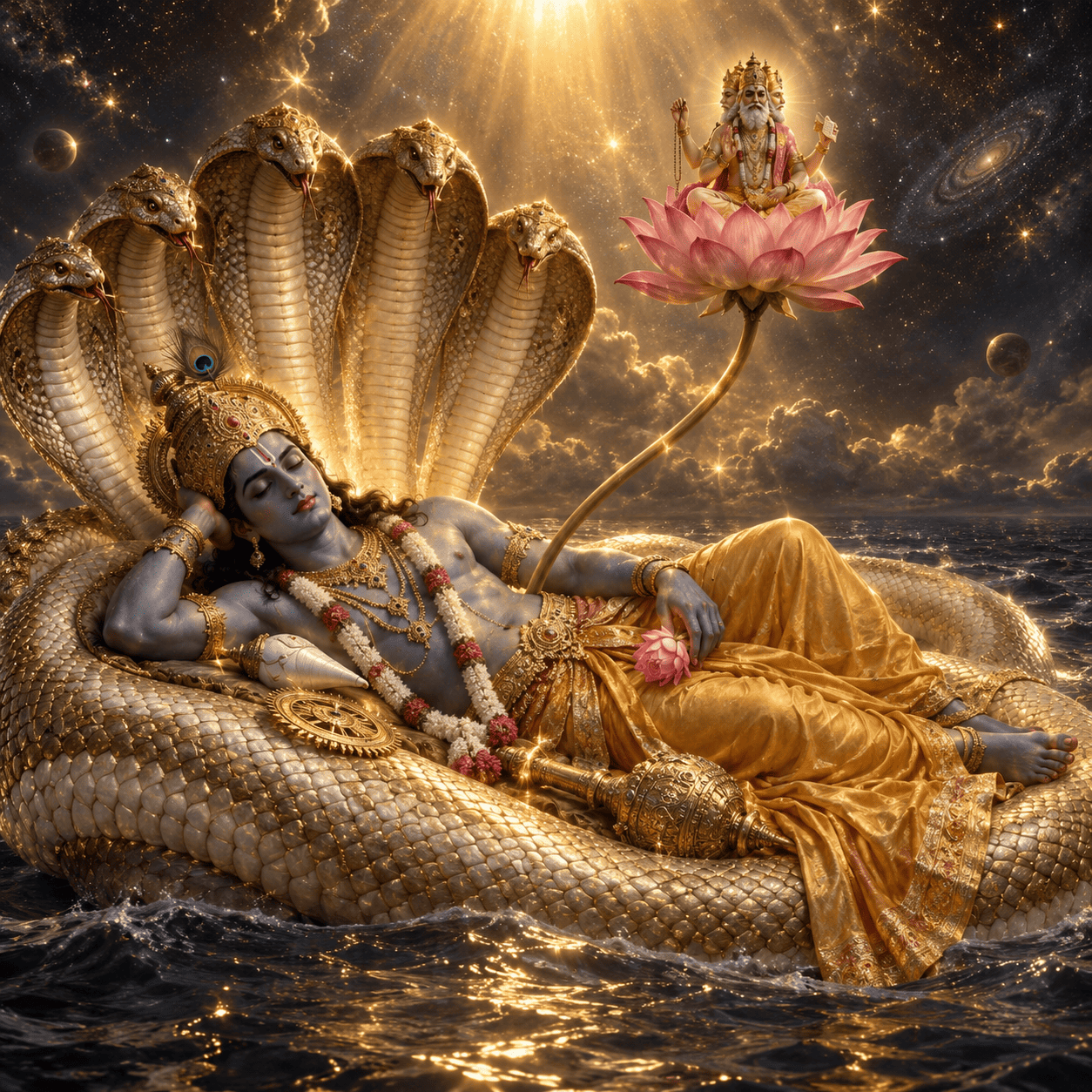
Tuesday, 22 September 2026 · Shukla Paksha, Ekadashi tithi — Vishnu turns over in his cosmic sleep.
Vrat & Parana timing
Ekadashi is fasted through the tithi and broken the next morning on Dwadashi within the parana window. The times below are for New Delhi and indicative — confirm the exact tithi and parana for your city on the Panchang.
Parivartini Ekadashi
Tuesday, 22 September 2026
Times are for New Delhi and shift with your location. Check the day's Panchang for your city.
How the vrat is kept
A simple four-step observance, from the dawn sankalp to breaking the fast on Dwadashi.
Rise before dawn, bathe, and vow (sankalp) to keep the fast with a steady, pure mind.
Worship Lord Vishnu with tulsi, flowers, incense and a ghee lamp; offer fruit and panchamrit.
Set aside grains and pulses. Pass the day in chanting, katha and charity, and hold the night vigil.
Break the fast on Dwadashi morning within the prescribed window, after feeding the needy.
The vrat is completed only when it is broken correctly: on Dwadashi tithi, within the parana window and after Ekadashi has ended. In 2026 the parana for Parivartini Ekadashi falls the morning after Tuesday, 22 September 2026, in New Delhi.
Parivartini Ekadashi is an important Hindu fasting day observed in honour of Lord Vishnu. It is observed during the Shukla Paksha of the Bhadrapada month and is associated with a belief that Lord Vishnu changes his sleeping position during Chaturmas. Want to know more about this Ekadashi in detail? If yes, the following sections will guide you in depth.
However, as of now in 2026,
Parivartini Ekadashi Date: 22nd September 2026
Parivartini Ekadashi Timings: September 21st 8:00 P.M to 9:43 P.M September 22nd
These timings are as per New Delhi; however, for exact timings and Parana timings, local sunrise and sunset are calculated for your city.
What is Parivartini Ekadashi?
Parivartini Ekadashi is a sacred Ekadashi which is observed during the Shukla Paksha of the Bhadrapada lunar month. It is the Ekadashi when Lord Vishnu changes his sleeping position in the four months of Chaturmas.
It is the day when people worship Lord Vishnu, chant his names, observe Parivartini Ekadashi vrat, listen to his vrat katha, and make offerings in his name. It is considered one of the auspicious days for seeking the blessings of Lord Vishnu and to practise discipline, devotion, self-control, mindfulness, and simplicity.
Meaning of Parsva Ekadashi
The word Parsva refers to side or flank; thus, Parasva Ekadashi meaning is associated with the day when Lord Vishnu turned his side during Chaturmas.
This day is one of the auspicious days in the Hindu calendar, which represents transition and spiritual transformation. It is also known as Vamana Ekadashi and Parsva Ekadashi. However, whatever it is called, the day’s significance remains the same: Lord Vishnu turns his side, and it is considered the best day to seek his blessings by maintaining faith in him and following all the rituals with discipline and proper procedure.
How to Observe the Parsva Ekadashi Vrat?
Parivartini Ekadashi vrat rituals vary according to family traditions. However, here are some common steps usually performed on this day. It includes everything from morning to night, and one can follow it religiously if they want to observe a fast and are unsure how to proceed.
1. Take a Bath and Wear Clean Clothes
Begin the day by taking a bath and wearing clean clothes. Remember, wearing only clean clothes is not the end goal. You should be physically clean, but it also applies internally. You should have a pure and devotional state of mind.
2. Clean and Prepare the Puja Space
After taking a bath, clean the puja space and gather all the essential items. These include diya, incense, flowers, fruits, water, sandalwood, and Tulsi leaves. Collect all essential items and do keep the idol or image of Lord Vishnu when performing puja.
3. Take Sankalp for the Vrat
When you become ready for puja, it is important to first take sankalp. It means taking an oath to observe the fast while keeping Lord Vishnu in your mind and praying to him to complete it with ultimate faith, devotion, and discipline.
4. Worship Lord Vishnu
Begin the puja by offering prayers to Lord Vishnu. While doing puja, light a diya, light an incense stick, and offer flowers, water, and fruits to the idol. You can worship Lord Vishnu in any traditional form as per your preference or whatever family tradition you want to carry forward.
5. Observe the Fast
After you take a sankalp or oath in the morning and worship Lord Vishnu, observe a fast for the entire day. Remember, fasting is for devotion and self-discipline, not for focusing too much on food. If you want to eat fruit, drink milk, eat nuts, or eat any food throughout the day, that is completely okay.
On the other hand, if you don't want to consume anything, that is also normal. It depends entirely on your health, ability, and traditions passed down in your family for a long time.
6. Chant Vishnu Mantras
As the fast is observed for the entire day, you can chant Vishnu mantras. It keeps the day light-hearted and full of positive emotions. Commonly recited mantras and stotras are:
- Om Namo Bhagavate Vasudevaya
- Vishnu Sahasranama
- Vishnu Stotra
7. Read or Listen to the Parivartini Ekadashi Vrat Katha
One can chant Vishnu mantras all day, and when they are ready to break the fast, they can read or listen to Parivartini Ekadashi vrat Katha. Doing so helps you to understand the spiritual way of this day and connect with your highest self and with Lord Vishnu with full devotion and faith.
9. Perform Charity and Daan
Charity is an important practice in many Hindu religious occasions. Once you worship Lord Vishnu in the evening and are on the verge of breaking your fast, donating food, clothes, or any useful item is considered auspicious. And the charity you do for people is completely okay, as long as it's within your capacity.
Fasting Rules
Want to know the Parivartini Ekadashi vrat fasting rules? If yes, the following section provides detailed guidance on what you can eat and what you should avoid. However, remember that fasting practices vary by family, region, and tradition.
What Can You Eat During Parivartini Ekadashi?
Devotees who follow a lighter or fruit-based fast may consume foods traditionally permitted during Ekadashi, such as:
- Fresh fruits
- Milk and dairy products
- Nuts and dry fruits
- Potatoes and certain permitted vegetables
- Traditional vrat foods that exclude grains
Permitted foods vary by family or tradition passed down through generations.
What Should You Avoid?
If you are observing a fast on Ekadashi, here are some of the food items that you should strictly avoid:
- Rice
- Wheat
- Other grains
- Cereals
- Pulses
- Beans
- Foods containing grains or ingredients prohibited by the devotee's tradition
Remember, in some traditions or families, spices and some processed foods are also avoided.
Can You Observe a Strict Fast?
It depends entirely on your devotion and self-discipline. If you feel an urge to observe the day without food or water, then go for it. However, if you feel it is not within your capacity, adding fruits, milk, or nuts would be the best choice.
For children, elderly people, pregnant women, and people with medical conditions for them, it is recommended to first prioritise your health and move forward.
When Does the Fast Begin?
Ekadashi tithi marks the beginning of the Parivartini Ekadashi fast. However, for Parivartini Ekadashi timings and the exact start of the day, it is recommended to first check today panchang.
When Is the Fast Concluded?
The fast traditionally concludes on Dwadashi, the day after Ekadashi. Sunrise time varies by location or city; thus, check the panchang first to know when to break the fast.
Parsva Ekadashi Significance
The significance of Parivartini Ekadashi stems from its association with Lord Vishnu. The day is not only important for connecting with the god; it is also associated with discipline, fasting, and worship. In modern life, it also teaches us to slow down, reflect, and reconnect with spiritual practices.
Practising Discipline
One of the significances of Parivartana Ekadahsi is that it teaches you discipline. It makes you more conscious of your eating habits, when to wake up, when to sleep, how you feel when you eat less, and how life improves with a routine. It is a day to help you consciously remember how these practices shape your life and how much self-control you need.
Being More Mindful
On the day of Parivartini Ekadashi, when you chant mantras all day and remember Lord Vishnu all the time, you realise how much positivity you attract in a day. Meditation, chanting, or reading spiritual texts can help you be more mindful and, rather than spending time on negative energies throughout the day, provide relief for your physical and mental health.
Strengthening Devotion
Parivartini Ekadashi offers an opportunity to connect with or spend more time in the worship of Lord Vishnu. It will strengthen your devotion to him, and with full faith and devotion, you will attract his blessings, even in the most difficult times of your life. Observing a fast on this day and being deeply devoted will fully open your eyes to how much his magic works.
Practising Gratitude
It is natural that when you observe a fast on Parivartana Ekadashi, you feel thankful to Lord Vishnu for whatever you are or wherever you are in your life. Therefore, if you do not have a habit of expressing gratitude in your life, this day, Ekadashi, becomes an opportunity to do so. You appreciate the people, experiences, and blessings in your life up to now.
Encouraging Simplicity
A simple diet and a less hectic routine can help devotees focus on the day's spiritual purpose rather than on material activities. Thus, in short, it encourages simplicity. You realise that living with less food and focusing on meditation, prayers, and following spiritual practices can really make up your day.
Supporting Spiritual Growth
The observance can be used as an opportunity for introspection. You reflect on your actions, identify habits you wish to change, and set positive intentions for the future. It supports your spiritual growth and sets you in the right direction.
Parivartini Ekadashi Vrat Katha
According to the ancient tale, there was once a devout king named Mandhata. He ruled over his subjects with wisdom, virtue, and righteousness. Under his reign, there was peace, prosperity, and happiness.
However, one day, his kingdom experienced a drought. For an extended period, there was no rain, causing hardship for its citizens. Crops withered, the wells dried up, and the subjects lacked the means to ensure their survival.
King Mandhata felt pity for his poor citizens. Trying to find the cause of this terrible calamity, he looked for a way to solve it. At last, he went to the forest, where he could meet a pious sage who could help him.
Having walked for a while, the king reached the hermitage of Sage Angira. The king humbly addressed him, told him about his problems and the hardships his subjects were currently experiencing, and asked the sage why the terrible drought had come to his kingdom.
Sage Angira listened to the king and informed him about the possibility of undertaking a religious practice to obtain the blessings of Lord Vishnu. He asked King Mandhata to observe Parivartini Ekadashi Vrat with dedication.
He told the king about the importance of fasting on Ekadashi and praying to Lord Vishnu. He told the king to observe the Ekadashi Vrat according to tradition and to pray to the Lord with dedication and devotion.
The king took the sage’s instructions to heart and followed them. He observed the Parivartini Ekadashi Vrat and prayed to the Lord with devotion and dedication.
It is believed that the king’s observance of the vrat pleased Lord Vishnu. In the story, it is mentioned that rains began to fall in the kingdom after the king observed the vrat, saving it from drought and allowing the people to return to normal life.
The king realised the importance of devotion and observed Lord Vishnu. He followed the Lord and asked his subjects to live righteously and devote themselves to the Lord.
Moral of Parivartini Ekadashi Vrat Katha
This vrat katha not only informs devotees about observing the Ekadashi fast but also reminds them of the significance of faith, compassion, righteousness, discipline, and devotion to Lord Vishnu. In Hindu belief, devotees who observe Parivartini Ekadashi with devotion and listen to its vrat katha earn spiritual merit.