
Rama Ekadashi 2026
Wednesday, 4 November 2026 · Krishna Paksha, Ekadashi tithi — Prosperity in the days before Diwali.
Vrat & Parana timing
Ekadashi is fasted through the tithi and broken the next morning on Dwadashi within the parana window. The times below are for New Delhi and indicative — confirm the exact tithi and parana for your city on the Panchang.
Rama Ekadashi
Wednesday, 4 November 2026
Times are for New Delhi and shift with your location. Check the day's Panchang for your city.
How the vrat is kept
A simple four-step observance, from the dawn sankalp to breaking the fast on Dwadashi.
Rise before dawn, bathe, and vow (sankalp) to keep the fast with a steady, pure mind.
Worship Lord Vishnu with tulsi, flowers, incense and a ghee lamp; offer fruit and panchamrit.
Set aside grains and pulses. Pass the day in chanting, katha and charity, and hold the night vigil.
Break the fast on Dwadashi morning within the prescribed window, after feeding the needy.
The vrat is completed only when it is broken correctly: on Dwadashi tithi, within the parana window and after Ekadashi has ended. In 2026 the parana for Rama Ekadashi falls the morning after Wednesday, 4 November 2026, in New Delhi.
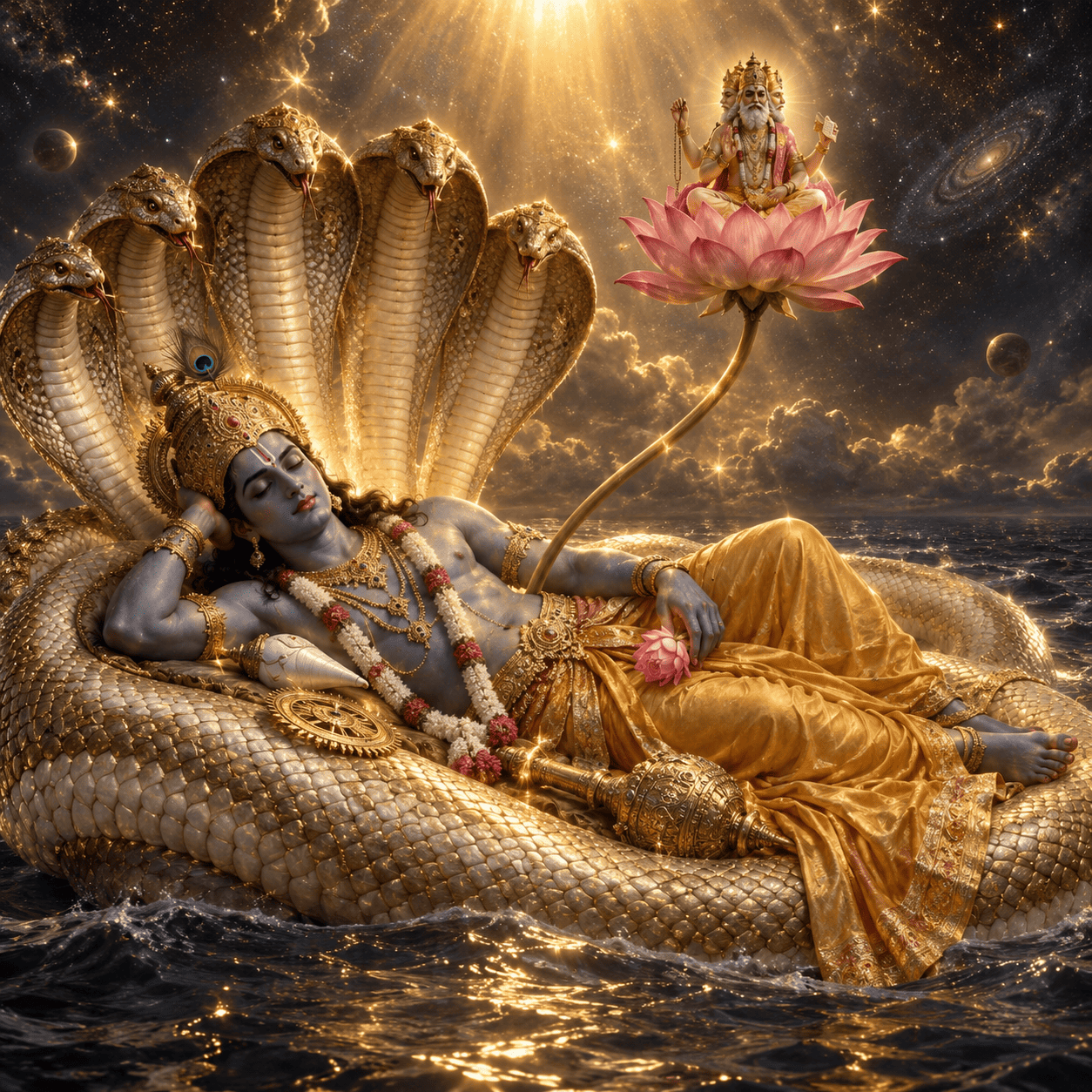
Rama Ekadashi is one of the important Ekadashis in the Hindu calendar. It falls in the Krishna Paksha of the Kartik month. It is a day dedicated to Laxmi Narayan for spiritual liberation, the elimination of past karmas, and a successful future. As this day holds so much significance, aren’t you interested in knowing which date it will fall on in 2026 and what the puja timings will be? If you are interested, the following sections serve as a complete guide and also provide information on puja vidhi, vrat vidhi, and stories related to this day. So, without any delay, hop on to the next section.
Rama Ekadashi 2026 Date and Time
Want to know when Rama Ekadashi falls in 2026 or what its timings are? If so, this table lists all the details, from tithi timings to shubh muhurat.
|
Rama Ekadashi 2026 Details |
Date/Time |
|
Rama Ekadashi |
Thursday, November 5, 2026 |
|
Ekadashi Tithi Begins |
November 4, 11:03 AM |
|
Ekadashi Tithi Ends |
November 5, 10:35 AM |
|
Parana Day |
November 6, 2026 |
|
Parana Time |
6:37 AM–10:15 AM |
|
Paksha |
Krishna Paksha |
|
Month |
Kartik |
Note: The Parana timings stated in the table above are as per New Delhi time. However, to find the exact timings for breaking the fast in your city, it is best to refer to a local panchang.
What Is Rama Ekadashi?
Rama Ekadashi is one of the Ekadashis that fall in the month of Kartik and in the Krishna Paksha. In 2026, it will fall on November 5th. It is a day dedicated to Lord Vishnu and Goddess Laxmi for success, prosperity, the elimination of past karmas, and the attainment of spiritual liberation.
It is why devotees observe a fast, pray, meditate, wake up early in the morning, and stay awake at night singing hymns and chanting mantras to maximise spiritual benefits, and then break the fast the next morning in the Parana period.
As Rama Ekadashi is observed across India, fasting rules and puja vidhi can vary according to customs and traditions. However, to get a general understanding of how this fast is observed, the following sections act as a complete guide.
What Is Rama Ekadashi Significance?
Did you get an idea of what Rama Ekadashi is from the sections above? However, do you still not have an in-depth understanding of the reason for its celebration or its significance? If not, here are some points that will clarify it.
Blessings of Goddess Laxmi
Rama Ekadashi, as the name suggests, is not directly connected to Lord Ram. Instead, Rama is a name or epithet associated with Goddess Laxmi. She is the deity of fortune, luck, wealth, and prosperity. Thus, devotees fast on this day to seek the blessings of Goddess Laxmi. However, this day also honours Lord Vishnu. In a nutshell, it is a powerful Ekadashi to attain spiritual liberation and abundance.
Elimination of Sins and Karmas
Rama Ekadashi is a significant day for clearing off sins and negative karmas. This day holds so much power that if a person observes a fast and follows all the rituals, they can free themselves from deep-seated sins. It is a day that cleanses the body, mind, and spirit and prepares a gateway to the spiritual realm.
Gateway to Diwali
Rama Ekadashi is one of those Ekadashis that fall before the grand festival of Diwali. As Diwali marks the welcome and celebration of Goddess Laxmi, it is a day to cleanse the body and mind in preparation for the deity's arrival. Other than that, it is also a day to set a positive environment, wherein people get together to sing bhajan and clean their homes to invoke positivity.
Rama Ekadashi Vrat Vidhi
Now that you understand the meaning and importance of Rama Ekadashi, are you also keen to know how to observe the fast on this day, or what the Vrat vidhi is? If yes, the following pointers will clarify.
Dashami Preparation (4th November)
Finish the Dinner Before Sunset: If you want to observe the fast with strict rituals, it is considered good practice to finish dinner on Dashami, November 4, before sunset. This practice ensures that your digestive system is clean for the next day and is prepared for the Rama Ekadashi.
Eat Satvvic Food: On Dashami, eating satvvic food is a good choice. Refrain from consuming grains or heavy foods. Avoid eating onion and garlic the day before the fast begins. Also, non-vegetarian items are strictly forbidden.
On the Day of Ekadashi (5th November)
Nirjala Vrat: If you are observing the Nirjala (waterless) fast, on the day of Ekadashi you cannot consume water or any food.
Phalahari Vrat: If you are observing the Phalahari fast, on the day of Ekadashi you can consume fruits (apples, grapes, bananas) or nuts (cashews, almonds, raisins, and walnuts).
Sajala Vrat: If you are observing the Sajala vrat or fast, on the day of Ekadashi you can consume only liquids such as coconut water, juices, milk, buttermilk, or herbal teas.
Satvvic Vrat: If you are observing the Satvvic vrat or fast, on the day of Ekadashi you can consume limited vegetables (potato, sweet potato), pseudo-grains (singhara, kuttu), and, for topping, only rock salt.
Dwadashi (6th November)
Wake up Early: Wake up early on Dwadashi, which is 6th November. Take a bath and wear clean clothes. Chant the names of Lord Vishnu and Goddess Laxmi to break the fast.
Eat During Parana Time Window: Once you have offered prayers, note the time, and you can break your fast as per Parana timings to reintroduce grains to the body. Traditionally, people consumed rice. However, you can now pick whichever grains you want; be sure to keep the meal light.
Rama Ekadashi Puja Vidhi
Wake Up Early and Take Sankalp: Wake up early in the morning and take a bath with a few drops of Gangajal. Preferably, try to wear yellow clothes. Place the idols of Goddess Laxmi and Lord Narayana, and take sankalp by holding a few drops of water and flowers in your hand. Take an oath before the deities to observe the fast, state the reason, and specify which type of fast you will observe for the entire day. Seek their blessings and get ready for puja.
Set up the Altar: Now start preparing for the puja. Set or wrap up the wooden stool with a yellow cloth. Place the idols of Goddess Laxmi and Lord Narayana on it. Light diyas on the right side of where you will be placing the idols. Afterwards, to set a positive environment, light incense sticks.
Do the Puja: Now is the time to do puja. Begin by bathing the idols with Panchamrit (milk, curd, ghee, honey, and sugar). Apply Chandan or Moli on the forehead of Goddess Laxmi and Lord Vishnu. Offer fresh yellow flowers at the feet of Lord Vishnu and red flowers at the feet of Goddess Laxmi.
Offer the Bhog: Now offer the prasad you have prepared, along with Tulsi leaves. The prasad you prepare should be sattvic, meaning it should contain no grains or salt, or it can be seasonal fruits you want to eat throughout the day.
Do Puja and Recite Vrat Katha: Preferably do the Puja in the evening during Pradosh Kaal. Begin by first reciting or listening to the Vrat Katha to understand the significance of this day. Chant the mantra “Om Namo Bhagavate Vasudevaya” while holding a Tulsi mala. Conclude the puja by lighting diyas and reciting “Laxmi Aarti.” Further, to seek the spiritual benefits of this day, stay awake at night and listen to hymns, songs, and aartis, and chant the names of Goddess Laxmi and Lord Vishnu.
Rama Ekadashi Puja Samagri
Now that you know the Puja Vidhi, it is good if you have all the items gathered at one place, which helps you to connect with the divine without having to go collect items when it strikes your mind. Here are some items you can gather beforehand.
|
Puja Items |
Purpose |
|
Lord Vishnu/Krishna idol or image |
Main deity |
|
Goddess Lakshmi image |
Lakshmi worship, where followed |
|
Tulsi leaves |
Vishnu offering |
|
Flowers |
Puja |
|
Diya |
Illumination |
|
Ghee or oil |
Lighting the diya |
|
Incense |
Puja |
|
Chandan |
Tilak |
|
Fruits |
Bhog |
|
Milk |
Offering/Abhishek |
|
Panchamrit |
Abhishek, where customary |
|
Water |
Puja |
|
Sweets |
Bhog, where permitted |
Rama Ekadashi Story
Story of Muchukunda
In the ancient past, there lived a truthful king named Muchukunda. He was a devotee of Lord Vishnu and used to observe every Ekadashi fast that falls every year. In his kingdom, the rules of Ekadashi were very strict. There was no consumption of grains, and everyone who was in the state had to observe this fast. Be it traveller, servant, or guest, everyone had to observe it. Even animals in the state (cows, elephants, and horses) were restricted from grains and water on the day of Ekadashi.
The king had a daughter named Chandrabhaga, who observed the Ekadashi fast from the age of eight. She was married to Prince Shobhana, and coincidentally, on the day of Rama Ekadashi, he came to his father-in-law's palace. He was not physically fit and had a weak body. He panicked when he heard the sound of royal drums and pleaded with Chandrabhaga for a solution, as he knew his body could not sustain the strict observances of Ekadashi.
Chandrabhaga replied to him, saying that even the animals of this kingdom are not fed grains and water; there is no way to skip this fast. To which the king replied, “Whatever my destiny holds, I will face it by keeping the fast.” As the night progressed, King Shobhana grew frail while other devotees were engaged in hymns and mantra chanting. He was the one suffering from dehydration and extreme hunger. The next day on Dwadashi, when the dawn broke, he died.
King Muchukunda performed the final rites of his son-in-law, Shobhana. Devastated, Chandrabagha did not perform Sati and remained at her father’s place in devotion to Lord Vishnu. However, because King Shobhana had observed the Ekadashi fast, he woke up in his afterlife in a kingdom studded with gold and diamonds. Since King Shobhana had forced himself to observe the fast, he got the kingdom, but it was unstable and prone to vanishing.
One day, a Brahmin was travelling to a kingdom named Somasharma, where he immediately recognised King Shobhana and approached him. King Shobhana told the Brahmin his entire story: that he got the kingdom as a reward for his spiritual merit, but it was unstable. He asked the Brahmin to go to her wife and let her know the condition. He told the Brahmin that she was pious and could make the kingdom eternal.
Somasharma, the Brahmin, came back to Chandrbagha and told her the entire story. She was happy and in tears after knowing that her husband was alive and requested the Brahmin to take her to her husband. As she was entering the kingdom, the Brahmin chanted hymns and sprinkled holy water on her. With it, she immediately got transformed into a spiritual form, where she declared, “I have been observing this fast from the age of eight. I now transfer all my spiritual merits to you.” As soon as she declared it, the Kingdom became stable and permanent. Also, the couple reunited after a long period of struggle and separation.
What Does the Rama Ekadashi Story Teach?
Value Inner Devotion
The story of Chandrabagha and Shobhana suggests that it is better to observe a fast when you are mentally prepared. It is not a day when you have to be physically present alone; it requires sincere devotion and dedication. Thus, merely because some ritual requires fasting, one must avoid it.
The Power of Shared Merit
King Shobhana suffered because of the Kingdom; however, thanks to his wife, Chandrabagha, the palace became stable through their shared spiritual merit. Thus, it indicates that when one observes a fast, its merit can be shared with one's partner, whether the weakness is spiritual or emotional.
Sincere Efforts Never Get Wasted
King Shobhana, when he observed the fast, despite struggling and not in a good mental state, still got the kingdom as a reward. Thus, it reflects that whenever a devotee observes a fast, it always returns; it can be small, but it definitely comes to the devotee and helps them whenever they are in need or in a challenging situation.
Rama Ekadashi vs Other Ekadashis
There are many Ekadashi observances throughout the Hindu lunar year, and each has its own traditional story and significance.
|
Ekadashi |
Lunar Period |
Traditional Association |
|
Rama Ekadashi |
Kartik Krishna Paksha |
Vishnu/Damodara worship |
|
Devshayani Ekadashi |
Ashadha Shukla Paksha |
Beginning of Chaturmas |
|
Nirjala Ekadashi |
Jyeshtha Shukla Paksha |
Strict fasting tradition |
|
Devutthana Ekadashi |
Kartik Shukla Paksha |
Vishnu's awakening |
|
Mokshada Ekadashi |
Margashirsha Shukla Paksha |
Spiritual liberation |
Rama Ekadashi is therefore one observance within the wider Ekadashi tradition rather than a replacement for other Ekadashi fasts.