
Devutthana Ekadashi 2026
Friday, 20 November 2026 · Shukla Paksha, Ekadashi tithi — Vishnu awakes — Chaturmas ends, weddings resume.
Vrat & Parana timing
Ekadashi is fasted through the tithi and broken the next morning on Dwadashi within the parana window. The times below are for New Delhi and indicative — confirm the exact tithi and parana for your city on the Panchang.
Devutthana Ekadashi
Friday, 20 November 2026
Times are for New Delhi and shift with your location. Check the day's Panchang for your city.
How the vrat is kept
A simple four-step observance, from the dawn sankalp to breaking the fast on Dwadashi.
Rise before dawn, bathe, and vow (sankalp) to keep the fast with a steady, pure mind.
Worship Lord Vishnu with tulsi, flowers, incense and a ghee lamp; offer fruit and panchamrit.
Set aside grains and pulses. Pass the day in chanting, katha and charity, and hold the night vigil.
Break the fast on Dwadashi morning within the prescribed window, after feeding the needy.
The vrat is completed only when it is broken correctly: on Dwadashi tithi, within the parana window and after Ekadashi has ended. In 2026 the parana for Devutthana Ekadashi falls the morning after Friday, 20 November 2026, in New Delhi.
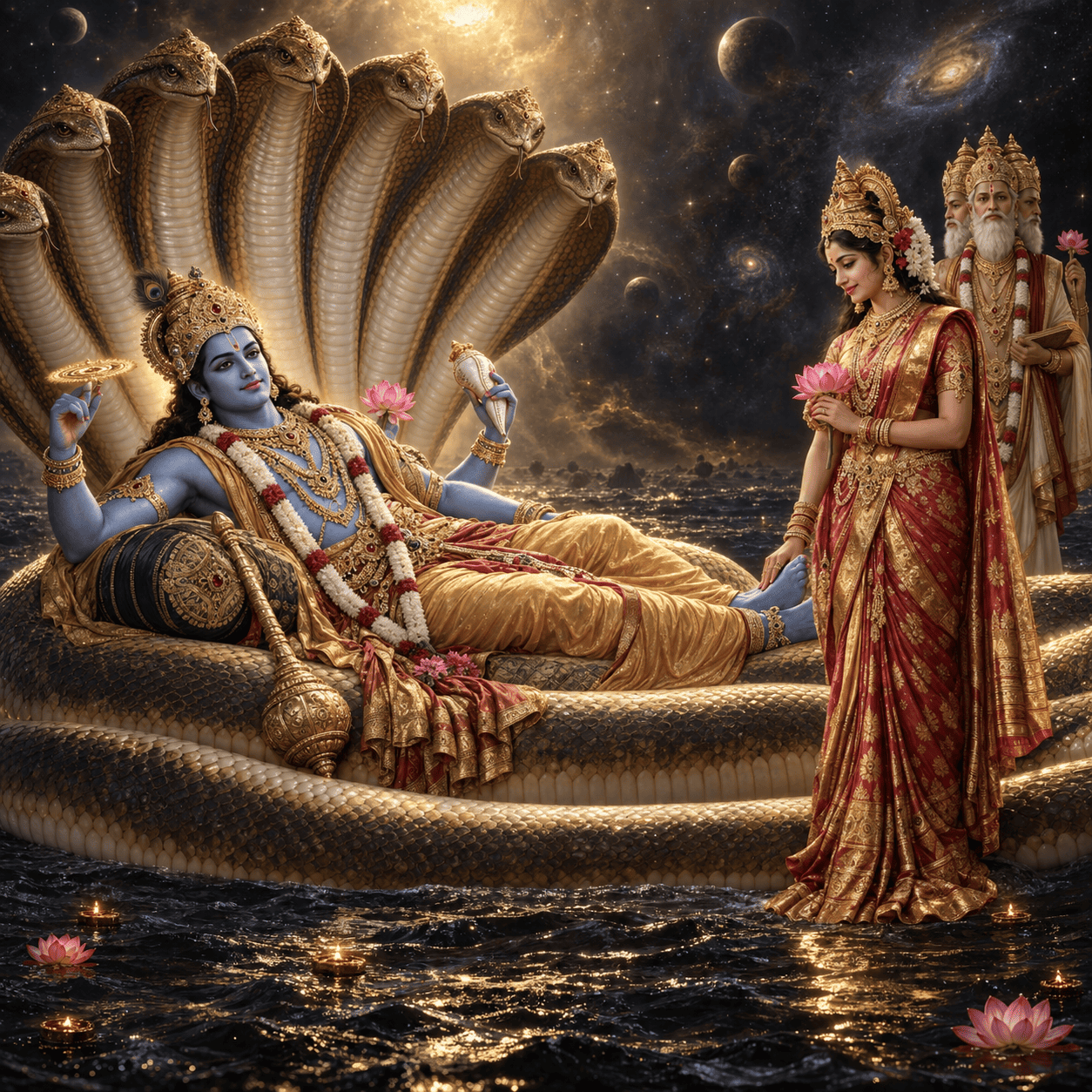
Dev Uthani Ekadashi, also known as Devutthana Ekadashi, is an important Hindu fasting day. It is dedicated to Lord Vishnu and falls on the Shukla Paksha in the month of Kartik. This day marks the awakening of Lord Vishnu from Yog Nidra and marks the end of the Chaturmas period. This is just an overview of Dev Uthani Ekadashi; however, if one wishes to know when it will fall in 2026, its significance, the stories associated with this day, and the puja vidhi, the following sections serve as a complete guide. So, without any delay, hop on to the next section.
Dev Uthani Ekadashi 2026 Date and Time
Dev Uthani Ekadashi falls on November 20, 2026, and is in the Shukla Paksha of the Kartik month. For more details related to this Ekadashi, refer to the table below.
|
Details |
Dev Uthani Ekadashi 2026 |
|
Festival |
Dev Uthani Ekadashi |
|
Other Names |
Devutthana Ekadashi, Prabodhini Ekadashi |
|
Date |
November 21, 2026 |
|
Day |
Saturday |
|
Paksha |
Shukla Paksha |
|
Month |
Kartik |
|
Ekadashi Tithi Begins |
7:15 AM, November 20, 2026 |
|
Ekadashi Tithi Ends |
6:31 AM, November 21, 2026 |
|
Deity |
Lord Vishnu |
|
Main Observance |
Ekadashi Vrat and Vishnu Puja |
|
Parana Timings |
6:49 AM–8:56 AM, November 22, 2026 |
Note: The Parana timings stated in the table above are as per New Delhi time. To get accurate timings for your city, it is best to refer to a local panchang.
What Is Dev Uthani Ekadashi?
Dev Uthani Ekadashi falls on the Shukla Paksha of the Kartik month and is one of the important Ekadashi observances associated with Lord Vishnu.
The word “Dev” refers to god or Lord Vishnu, and "Uthani" refers to his awakening or rising. According to traditional belief, this day is associated with Lord Vishnu's awakening from Yog Nidra, or cosmic sleep, during the Chaturmas period. This is why, in the Hindu calendar, it becomes one of the most spiritually significant days.
As the day holds so much spiritual significance, as the God himself wakes up after a deep sleep, it is often observed through
- Fasting
- Vishnu worship
- Prayers
- Devotional singing
- Scripture recitation
It is also believed that Tulsi Vivah is connected with Dev Uthani Ekadashi. As soon as Lord Vishnu wakes up, the first thing or occasion celebrated is Tulsi Vivah. Also, this day is linked to the start of wedding ceremonies, as the deity wakes up.
What Is the Significance of Dev Uthani Ekadashi?
The significance of Dev Uthani Ekadashi relates primarily to Lord Vishnu's awakening and the end of Chaturmas.
Awakening of Lord Vishnu
According to Hindu belief, Lord Vishnu awakens from Yog Nidra on Dev Uthani Ekadashi. It marks the end of the four-month Chaturmas period and is associated with increased spiritual awakening. Devotees observe the occasion by praying to Lord Vishnu, fasting, meditating, and engaging themselves in devotional activities.
Resumption of Auspicious Activities
Dev Uthani Ekadashi marks the onset of auspicious ceremonies after Chaturmas. This is why, from this period, it is common to observe weddings and housewarming ceremonies. However, it does not indicate that any day after Dev Uthani Ekadashi is considered suitable for any ceremony. For the same, a specific date, muhurat, is still important. In such a case, it is best to talk to an astrologer.
Connection With Tulsi Vivah
Dev Uthani Ekadashi also has a strong connection with Tulsi Vivah. It is when Lord Vishnu wakes up that his first act is to marry Tulsi. So, when Lord Vishnu awakens from deep sleep, the symbolic marriage of Goddess Tulsi to Shaligram (an avatar of Lord Vishnu) takes place.
Dev Uthani Ekadashi Story
As per the Puranas, a demon named Shankhasura grew powerful and hid the holy Vedas from Lord Brahma in the deep cosmic oceans. Because of this action, the universe fell into confusion and chaos as the basic principles of life were stolen.
Concerned with the step taken by Shankhasura, the Devas (gods) went to Lord Vishnu for protection. It was then that Lord Vishnu descended into the ocean and fought a fierce battle with the demon, which lasted for four months. In the end, Lord Vishnu won the battle by defeating the demon and restored the holy Vedas to him, which brought back cosmic balance in the universe.
As the battle went on for four months, Lord Vishnu grew exhausted and retired to Kshira Sagara (Ocean of Milk) to rest. The day he went into cosmic sleep, or Yoga Nidra, is celebrated as Devshayani Ekadashi, and the day he woke up after four months is celebrated as Dev Uthani Ekadashi, associated with spirituality, prayers, meditation, tulsi vivah, and the onset of wedding ceremonies.
Dev Uthani Ekadashi Vrat
The Dev Uthani Ekadashi Vrat is a fast observed by devotees as an expression of their devotion to Lord Vishnu. Religious tradition, physical capacity, and discipline determine the fasting method a devotee chooses.
There is no one single fasting method followed by every devotee. It varies according to tradition, one’s dedication to Lord Vishnu, or what one's health allows. Here are some common types of vrat or fast observed on Dev Uthani Ekadashi.
Nirjala Vrat
In a Nirjala fast, the devotee abstains from food and water during the day. It is one of the most difficult types of fasting and cannot be easily observed by everyone. No devotee should undertake a Nirjala, or no-water, fast merely because it signals spiritual devotion. Fasting that risks your health and leaves you in between can outweigh the benefits of fasting.
Phalahari Vrat
During phalahari fasting, devotees may consume only permitted fruits and drink water. However, they should abstain from grains and regular meals. It is an intermediate form of fasting in which one can consume fruit and drink water, and should not remain hungry at all times.
Restricted or Single-Meal Fasting
The third form of fasting is a restricted fast in which devotees consume food once a day, typically after performing evening rituals. Here, devotees avoid foods that are not allowed during any fasting day. The food items one can consume during restricted fasting include potatoes, sabudana, water chestnuts, and certain nuts.
Dev Uthani Ekadashi Puja Vidhi
The Dev Uthani Ekadashi Puja Vidhi varies across households and traditions. However, a simple puja or vidhi found in nearly every custom is as follows. If you do not have enough evidence of whom to ask or follow, here are some basic steps common to all.
Wake Up Early and Wear Clean Clothes
Begin the day by waking up early and taking a bath. If possible, try to bathe with Gangajal and afterwards wear clean clothes. Remember, physical cleaning is not the main aim; mentally, too, you must begin the day with a fresh mind and perspective, free of cluttered thoughts, fear, anxiety, or anger.
Clean Puja Space and Place Lord Vishnu's Idol
After you bathe and put on clean clothes, place an idol or image of Lord Vishnu in the Puja area. Place the idol on a low wooden seat and cover it with yellow cloth. Afterwards, if you have taken the idol of Lord Vishnu, you can dress it in yellow clothes too, as this is the colour he likes, or the colour that symbolises him.
Light a Diya and Take Sankalp
As you place the idol of Lord Vishnu, light a diya and incense to invoke positive energy for the day and as a part of the worship. Afterwards, take a sankalp or oath before Lord Vishnu, stating your name, city, and the type of fast you intend to observe. Lastly, the type of fast you observe or the foods you eat, should be in accordance with your family traditions or customs.
Offer Flowers and Tulsi Leaves
Once you have lit a diya and taken a sankalp, now offer flowers and Tulsi leaves to Lord Vishnu. The worship of Lord Vishnu is incomplete without Tulsi because, as a boon for her devotion to her husband Jalandhar, Tulsi, or Vrinda, was granted the honour of being worshipped as a goddess.
Chant Vishnu Mantras and Read Devotional Scriptures
After offering flowers and Tulsi leaves, in the evening, when it is time to break the fast, devotees chant mantras such as “Om Namo Bhagavate Vasudevaya” or “Om Namo Narayanaya.” Devotees also listen to stories related to Lord Vishnu, Ekadashi, and Vaishnava scriptures to understand the significance or importance of this day.
Offer Bhog and Do Aarti
Lastly, offer permitted fruits, sweets and other vegetarian bhog to Lord Vishnu. When you start listening to Ekadashi katha or chanting mantras, you can offer bhog to the deity. Afterwards, conclude the puja by performing Vishnu aarti. It is best if you can continue Vishnu mantras even before the Parana timings, which would be Dwadashi.
Dev Uthani Ekadashi Puja Samagri
While performing the Dev Uthani Ekadashi puja, collecting all the items in one place ensures the vidhi proceeds without interruption. Thus, here is a list of basic items. However, as per traditions and customs, it can vary.
|
Puja Item |
Purpose |
|
Lord Vishnu idol/image |
Main deity |
|
Tulsi leaves |
Traditional Vishnu offering |
|
Flowers |
Offering |
|
Diya |
Worship |
|
Incense sticks |
Puja |
|
Kumkum |
Traditional ritual use |
|
Akshat |
Offering |
|
Fruits |
Bhog |
|
Milk |
Traditional offering |
|
Panchamrit |
Abhishekam/offering |
|
Yellow cloth |
Vishnu worship |
|
Kalash |
Puja arrangement |
|
Water |
Ritual use |
|
Sweets |
Bhog |
|
Bell |
Puja |
What to Do on Dev Uthani Ekadashi?
Devotees observing Dev Uthani Ekadashi can follow several traditional practices:
- Observe Ekadashi Vrat according to one's ability and tradition.
- Worship Lord Vishnu.
- Offer Tulsi leaves and flowers.
- Chant Vishnu mantras.
- Read or listen to devotional scriptures.
- Visit a Vishnu temple if possible.
- Chant mantras till Dwadashi and be deeply devoted, if possible
- Participate in bhajan or kirtan.
- Give charity according to one's ability.
- Maintain a peaceful and devotional routine.
- Perform Parana at the prescribed time on Dwadashi.
What Not to Do on Dev Uthani Ekadashi?
As compared to earlier or ancient times, the rules of fasting or what not to do on Ekadashi have significantly changed. Here are some of the commonly followed practices that you should avoid.
- Avoiding grains and cereals during the fast.
- Avoiding rice and pulses.
- Avoiding overeating during permitted fasting meals.
- Avoiding breaking the fast outside the prescribed Parana period.
- Maintaining cleanliness during puja.
- Avoiding unnecessary indulgence during the vrat.
- Following the fasting rules of one's family or sampradaya.
Extreme fasting is not a compulsion. Every devotee should choose the fasting type as per their health and other circumstances.