
Indira Ekadashi 2026
Tuesday, 6 October 2026 · Krishna Paksha, Ekadashi tithi — Liberates the souls of ancestors.
Vrat & Parana timing
Ekadashi is fasted through the tithi and broken the next morning on Dwadashi within the parana window. The times below are for New Delhi and indicative — confirm the exact tithi and parana for your city on the Panchang.
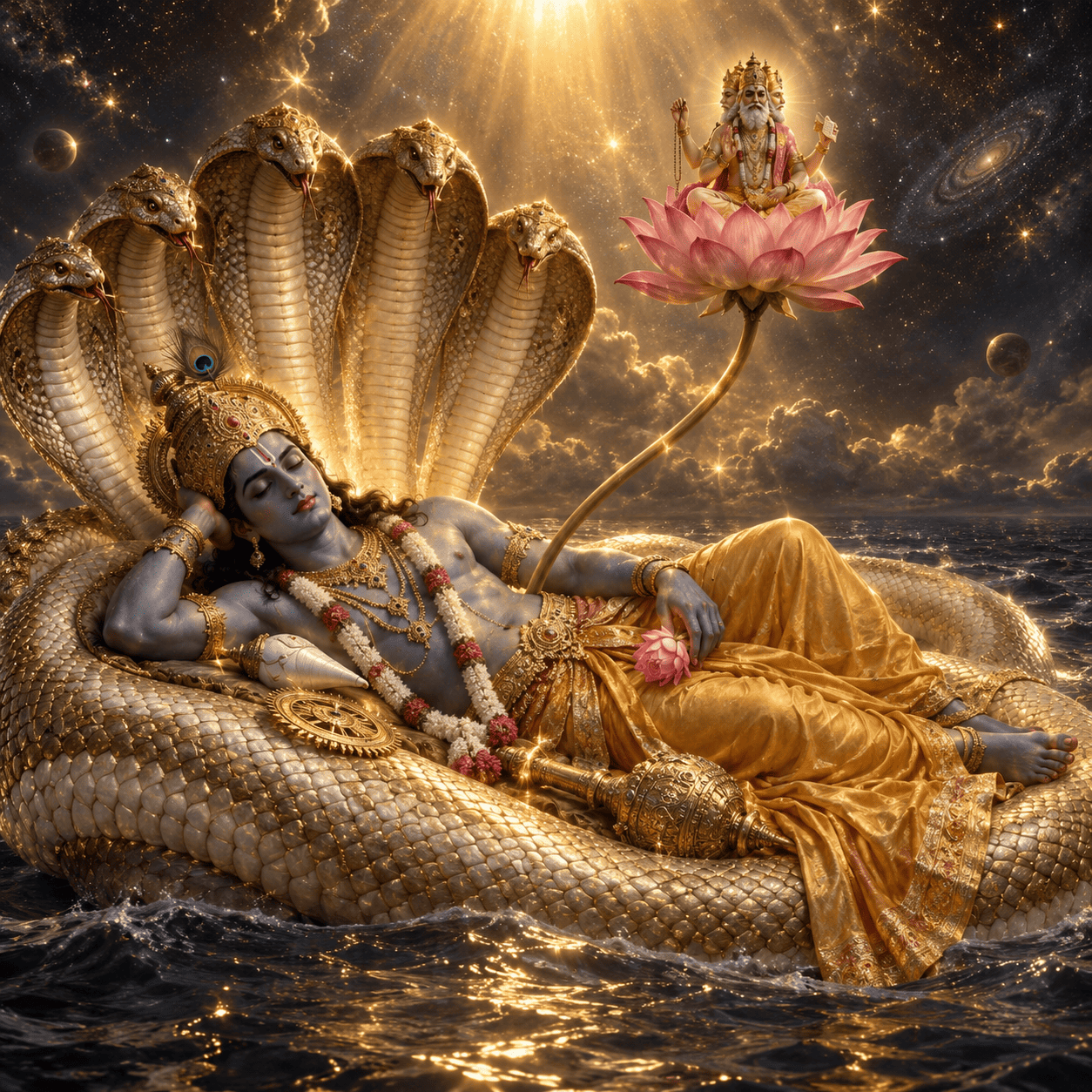
Indira Ekadashi
Tuesday, 6 October 2026
Times are for New Delhi and shift with your location. Check the day's Panchang for your city.
How the vrat is kept
A simple four-step observance, from the dawn sankalp to breaking the fast on Dwadashi.
Rise before dawn, bathe, and vow (sankalp) to keep the fast with a steady, pure mind.
Worship Lord Vishnu with tulsi, flowers, incense and a ghee lamp; offer fruit and panchamrit.
Set aside grains and pulses. Pass the day in chanting, katha and charity, and hold the night vigil.
Break the fast on Dwadashi morning within the prescribed window, after feeding the needy.
The vrat is completed only when it is broken correctly: on Dwadashi tithi, within the parana window and after Ekadashi has ended. In 2026 the parana for Indira Ekadashi falls the morning after Tuesday, 6 October 2026, in New Delhi.
Indira Ekadashi falls in the Krishna Paksha of the Ashwin month, and in 2026, it is on Tuesday, October 6. It is associated with the worship of Lord Vishnu, remembrance of ancestors, and prayers for their peace and liberation. Other than that, it is also a day for spiritual purification. Well, Indira Ekadashi importance is much greater. Want to know more about it in detail, including the day it falls on, the tithi duration, the puja vidhi, the rituals to perform throughout the day, or the Indira Ekadashi vrat rules? If yes, the following sections will act as a complete guide and will give you all the details in one place, making the day easy for you.
Indira Ekadashi 2026 Date and Time
Indira Ekadashi falls on Tuesday, October 6, 2026. As Ekadashi falls on the 11th lunar day, Indira Ekadashi is on the 11th lunar day of Krishna Paksha. The tithi would begin at 2:07 A.M. on October 6 and end at 12:34 A.M. on October 7. The Parana time window is on October 7 from 6:17 A.M. to 8:38 A.M.
|
Indira Ekadashi 2026 |
Date/Time |
|
Indira Ekadashi |
Tuesday, October 6, 2026 |
|
Ekadashi Tithi Begins |
October 6, 2:07 AM |
|
Ekadashi Tithi Ends |
October 7, 12:34 AM |
|
Parana Date |
Wednesday, October 7 |
|
Parana Time |
6:18 AM to 8:38 AM |
Note: The Indira Ekadashi parana time is as per New Delhi time. However, if you want to know the exact timings as per your city, it is best to refer to a local panchang.
Read about Indira Ekadashi in Hindi
What Is Indira Ekadashi Significance?
The Indira Ekadashi meaning is closely tied to its traditional story, which is observed during Pitru Paksha. It falls on the eleventh day of Krishna Paksha and is devoted to Lord Vishnu, remembering ancestors and cleansing any karma related to them. However, if you want to understand this day’s significance, here are some points to clarify it.
Fasting and Self-Control
Like all fasts, every fast teaches individuals to lead a disciplined life and to have control over their food choices in daily life. Fasting on this day highlights the importance of eating late the evening before the fast, making choices on the day of the fast, and breaking the fast the next day after sunrise. Overall, this day is a reminder to feed your body according to its capacity, not beyond it.
Ancestor Remembrance
The central theme of Indira Ekadashi was observing a fast for King Indrasena, who was not in the right condition in Yama Loka. When his son learned about his father's condition, he observed a fast with all his heart for the peace of his father. Thus, the significance of Indira Ekadashi is remembering ancestors and praying for their peace and liberation.
Removal of Pitru Dosha
Pitru dosha flows to descendants from ascendants as per their karmas. And when that dosha gets carried in the family, it creates hurdles or blockages in anyone’s life. The family can suffer from financial issues, bad luck, or disharmony between the family members. Thus, to remove Pitru dosha and live happily, Indira Ekadashi is observed.
Spiritual Cleansing
When you observe a fast on Indira Ekadashi, you not only remember ancestors, but also become spiritually cleansed. Every ritual or custom observed on this day reflects its spiritual significance. Prayers offered on this day help you connect with Lord Vishnu and embody your trust in him. Also, you learn to let go of anger, ego, and other negative emotions that overpower your mind and body.
Indira Ekadashi Vrat Vidhi
Do you want to keep this fast but do not know the Indira Ekadashi vrat vidhi or Indira Ekadashi puja vidhi? If yes, here is the vidhi or rituals, you should follow to keep the fast with pure dedication and devotion. These are some of the basic rituals; however, according to family traditions and customs, the vidhi may vary.
Dashami: Preparation for the Vrat
Traditionally, the Indira Ekadashi fast begins on Dashami. Thus, if you are someone who is keeping up this fast, wrap up your dinner as the sun sets. It is important to eat food early for proper digestion and for energy the next day. One must eat satvic food, which should be free from garlic and onion. Also, the food should not be non-vegetarian.
Ekadashi: Fasting Begins
Ekadashi Morning
- Wake up early in the morning and take a bath in Bharama Muhurata (pre-dawn)
- Place idols of Goddess Laxmi and Lord Vishnu in your home temple
- Take a sankalp or oath with water in the right hand, stating the reason for doing the Ekadashi fast
- Light incense sticks and a diya in your home temple
- Apply chandan to Lord Vishnu and roli to Goddess Laxmi
- Do tarpan with black sesame seeds and flowers to please forefathers
Ekadashi Evening
- Read or listen to Indira Ekadashi vrat katha by holding flowers and black sesame seeds
- Once the katha is over, offer flowers and black sesame seeds at the feet of Lord Vishnu
- Chant “Om Namo Bhagavate Vasudevaya” or “Vishnu Sahasranama”
- Conclude the evening ritual by doing Vishnu aarti
- Offer pind to the cow after smelling them
- At night, one should try not to sleep and read scriptures and devotional hymns instead
Dwadashi: Break the Fast
Wake up early in the morning. Bathe and wear clean clothes. Do brief morning puja to Lord Vishnu. If you want, you can also donate or do charity to those in need. In the end, you can break the fast in the Parana period.
Indira Ekadashi Vrat Rules
There are generally five types of fasting for Indira Ekadashi. This table lists some types of fasting, along with what can be eaten and what should be avoided. However, note that these rules can vary by family, traditions, and what gurus prescribe.
|
Fasting Type |
Permitted Foods & Liquids |
Forbidden Items |
|
Nirjala/Waterless fast |
Nothing (no water and no food) |
Everything, including water. |
|
Jalahar/Wateronly fast |
(All without sugar and salt) |
|
|
Ksheerbhoji/Dairy only fast |
|
Fruits Vegetables Solid grains |
|
Phalahari/ Fruit diet fast |
Any fruit
Nuts
|
|
|
Naktabhoji/Single evening meal fast |
Specific flours:
Starchy Roots:
Sago:
Seasoning
|
|
Other Rules
Along with what to eat and what to avoid, there are also other rules that you must follow while observing a fast or vrat. These are as follows.
- Control your senses; avoid involving yourself in arguments or disagreements
- Chant god’s name whenever you get the time and spend more time in prayer.
- Read or hear sacred texts, be it in the morning, evening, or night
- Perform charity or Seva; it can be anything as per your budget. Intention matters
- Maintain a devotional mindset by being helpful and kind to others
Indira Ekadashi Vrat Katha
The Indira Ekadashi Vrat Katha is all about King Indrasena, his father, and Narad Muni. As per the story, there lived a righteous king named Indrasena in the city of Mahismati. He was a devotee of Lord Vishnu and regularly chanted his name. One day, Narad Muni appeared before him, and he asked him the reason for visiting him. To which Narad Muni replied that he had visited Yamalok, where he saw his deceased father. The reason for the same was that his father broke the Ekadashi fast prematurely. Therefore, via Narad Muni, his father sent him a message to observe the Ekadashi fast on his behalf, follow all the rules, and perform charity.
Upon hearing it, King Indrasena immediately asked him how to observe the fast and what to do to liberate his father. Narad Muni told him to begin the fast on Dashami, continue it on Ekadashi of the Ashwin month, wake up and bathe before sunrise, not eat anything during the day, chant Lord Vishnu's names, and break the fast on Dwadashi. When his fast ended, the king’s father finally attained spiritual liberation and relief from his past mistakes and sins.
Moral of Indira Ekadashi
- Children's responsibility to their parents does not end with death. Pitra Dharma is something they should always follow.
- The power of dedication can help cleanse past karmas and sins with sincere devotion and fasting.
- When doing acts of spirituality, true merit or punya comes to your door only when there is selfless devotion for others, instead of thinking about oneself
What Is the Connection Between Indira Ekadashi and Pitru Paksha?
Pitru Paksha is a 16-day period for ancestors' liberation, and Indira Ekadashi is one of the days that falls in the middle of these 16 days, reducing Pitru Dosha and providing moksha to ancestors. It falls on the Krishna paksha of the Ashvin month, and this day opens doors for ancestors' liberation more directly, as in this fortnight spiritual merits reach ancestors directly.
It is one of the days in the 16-day period when forefathers are released from Yamaloka due to past sins. Observing a fast on this day, along with Shraddh rituals like Tarpan or Pind daan, reduces ancestors' karmic debts and ensures the family lineage is carried on without affecting any individual's finances, career, harmony, or relationships with others.
What Makes Indira Ekadashi Different from Other 15 Days Sharddh?
- The 15 days of Shraddh reduce the karmic hunger of ancestors, whereas the results or cosmic rewards of the Indira Ekadashi fast get transferred to ancestors, relieving them from lower realms or Yama Loka.
- The other 15 days are directly connected to Pitru or Yama (the god of death), whereas Indira Ekadashi is directly connected to Lord Vishnu, and any soul stuck in a lower realm is released by his grace.
- When a 15-day Shraddh is not performed according to the tithi or prescribed rituals, it does not provide liberation to ancestors and keeps them trapped in lower realms. Whereas Indira Ekadashi acts as a universal remedy. If you do not know the exact tithi of your ancestors' passing and fast on this day, it is believed to help release ancestors towards moksha.
- During the 15-day Sharddh, family members do not fast, and the focus is on ancestors' karmic debt. On the other hand, on Indira Ekadashi, family members fast to help reduce their own sins as well as those of their ancestors.