
Utpanna Ekadashi 2026
Friday, 4 December 2026 · Krishna Paksha, Ekadashi tithi — The appearance day of goddess Ekadashi.
Vrat & Parana timing
Ekadashi is fasted through the tithi and broken the next morning on Dwadashi within the parana window. The times below are for New Delhi and indicative — confirm the exact tithi and parana for your city on the Panchang.
Utpanna Ekadashi
Friday, 4 December 2026
Times are for New Delhi and shift with your location. Check the day's Panchang for your city.
How the vrat is kept
A simple four-step observance, from the dawn sankalp to breaking the fast on Dwadashi.
Rise before dawn, bathe, and vow (sankalp) to keep the fast with a steady, pure mind.
Worship Lord Vishnu with tulsi, flowers, incense and a ghee lamp; offer fruit and panchamrit.
Set aside grains and pulses. Pass the day in chanting, katha and charity, and hold the night vigil.
Break the fast on Dwadashi morning within the prescribed window, after feeding the needy.
The vrat is completed only when it is broken correctly: on Dwadashi tithi, within the parana window and after Ekadashi has ended. In 2026 the parana for Utpanna Ekadashi falls the morning after Friday, 4 December 2026, in New Delhi.
Utpanna Ekadashi is an important Ekadashi in the Hindu calendar, falling on the Krishna Paksha of the Margashirsha month. This day is associated with the worship of Lord Vishnu. Devotees observe Utpanna Ekadashi through fasting, prayers, Vishnu puja, mantra chanting, charity, and other devotional practices. This is a general overview of the festival; however, do you know the traditional story that is associated with the manifestation of Ekadashi Devi from Lord Vishnu's divine power and her battle with the demon Mura? If not, the following sections explain the traditional story this Ekadashi is observed, when it falls in 2026, the puja muhurat, vidhi, and its significance.
Utpanna Ekadashi 2026 Date and Time
Utpanna Ekadashi 2026 falls on Friday, December 4, 2026. It falls during Krishna Paksha tithi in the Margashirsha month. For more details about this Ekadashi, you can refer to the table below.
|
Event |
Date |
Time |
|
Ekadashi Tithi Begins |
December 3, 2026 |
11:03 PM |
|
Utpanna Ekadashi |
December 4, 2026 |
Friday |
|
Ekadashi Tithi Ends |
December 4, 2026 |
11:44 PM |
|
Parana |
December 5, 2026 |
06:59 AM to 09:04 AM |
Note: The details stated in the above table are as per New Delhi time. For accurate Parana timings, it is best to refer to the local panchang.
What Is Utpanna Ekadashi?
The Utpanna Ekadashi is closely associated with two words, where “Utpanna” means " coming into existence and Ekadashi refers to the “11th lunar day.”
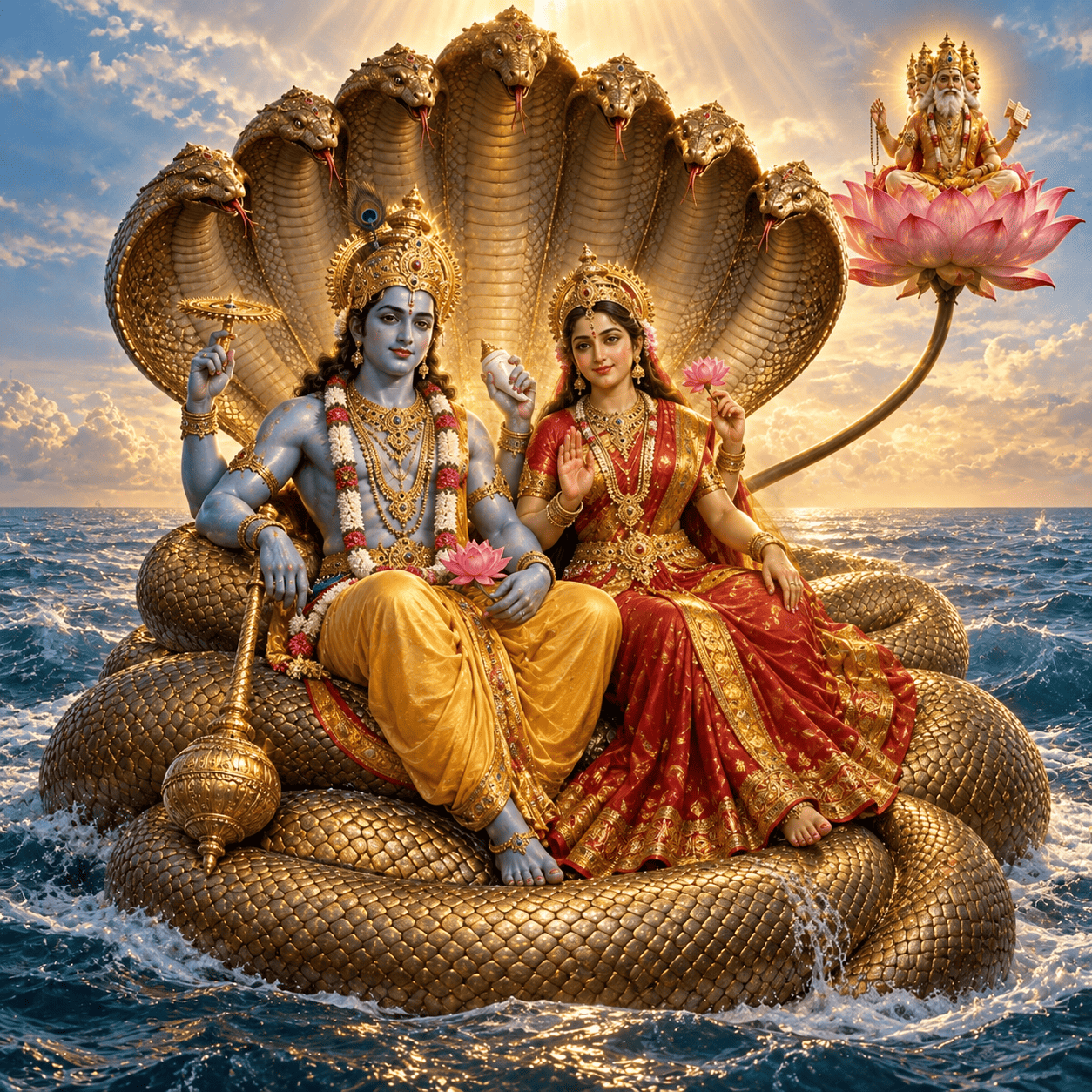
According to tradition, on this day, Ekadashi Devi emerged from Lord Vishnu's divine power while he was resting after confronting the demon Mura. She fought with the demon Mura and defeated him.
Because of the victory of good over evil, this Ekadashi is celebrated to overcome negative tendencies and to cultivate greater spiritual discipline. And for the same, devotees fast to maintain control over the senses and pray, meditate, and chant to seek the blessings of Lord Vishnu for good health, success, peace, and harmony.
The meaning of Utpanna Ekadashi can be simply understood through these three interconnected ideas:
- The emergence of Ekadashi Devi from Lord Vishnu
- Dedicating the day to the devotion of Lord Vishnu
- Practising self-discipline through vrat and spiritual practices
What Is Utpanna Ekadashi Significance?
The significance of Utpanna Ekadashi is primarily associated with devotion to Lord Vishnu and the birth of Ekadashi Devi. Learn about the day’s importance in detail from the points below.
Birth of Ekadashi Devi
The word Utpanna refers to "born" or "manifested". According to the Bhavishya Purana, while Lord Vishnu was resting in a cave, a powerful demon named Mura attempted to attack him. To protect him, a powerful and radiant feminine energy emerged from Lord Vishnu's body and defeated the demon. It marks the birth of Ekadashi Devi, which was named by Lord Vishnu, and he declared that anyone who fasts on this date would free himself from sins and would achieve salvation or moksha.
Foundation of the Annual Fasting Circle
For devotees who want to begin the lifelong or annual cycle of observing Ekadashi fasts, Utpanna Ekadashi serves as the official starting point. It lays the foundation for the spiritual resolve needed for the remaining 23 fasts of the year.
Immense Pious Merit
Scriptures state that the devotees who observe Utappana Ekadashi get pious merit. It is believed that the day holds so much merit that it can substitute for holy pilgrimages and Vedic sacrifices. Thus, anyone seeking the positive blessings of this day should definitely fast.
Cleansing of Karmic Sins
Devotees who observe a fast on this day eradicate both past and present negative karma. Thus, those who do the same also purify the soul and prepare themselves for spiritual awareness.
Utpanna Ekadashi Vrat Katha
In Satya Yuga, a demon named Mura ruthlessly ruled the world. He defeated all the kings of heaven, whether Indra or any other god. He even seized the Sun, the Moon, and other elements, causing chaos in the universe. All the gods, or Devas, were terrified and went to Lord Shiva for help. He guided them to Lord Vishnu, the preserver of the Universe, who at that time was resting in Kshira Sagara (Ocean of Milk).
Lord Vishnu agreed to protect the Devas. It was then that the war broke out between Lord Vishnu and the demon Mura. The deity defeated thousands of demons with his Sudarshana Chakra and the Kaumodaki Gada (mace). In the end, someone who was left was only Mura, the demon. However, Mura had a powerful boon that made him immune to weapons. And this is why that fight lasted for 10,000 years.
When Lord Vishnu grew exhausted after several years of battle, he decided to pause the fight and went to Badrikashram, entering a large, beautiful cave called Himavati to enter the state of Yoga Nidra.
Seeing Vishnu asleep, a demon Mura entered the cave. And as soon as he raised his weapon to kill Lord Vishnu, a divine feminine energy (Shakti) emerged from the deity's body. She was beautiful, possessed multiple divine weapons, and emanated an intense spiritual light.
Mura tried to attack her, but he was unable to defeat her. At that moment, she let out a powerful roar that made Mura unconscious, and afterwards she made him die.
When Lord Vishnu woke from his cosmic sleep, he saw Mura's dead body and a goddess standing before him, radiating a dazzling light. Impressed and pleased by the way Goddess Ekadashi protected and saved Lord Vishnu, he declared.
"Since you manifested on the eleventh lunar day of the Krishna Paksha, you would be known as Ekadashi Devi and will be treated as my divine strength." Afterwards, Lord Vishnu granted her a boon that whoever observed a strict fast on this manifestation day would be freed from all sins and, in the end, achieve Moksha, or liberation, and gain entry into Vaikuntha (Vishnu's heavenly abode).
How to Observe Utpanna Ekadashi Vrat?
Utpanna Ekadashi vrat begins the day before Ekadashi and is commonly observed with fasting, Vishnu puja, prayer, mantra chanting, and devotional activities. However, the exact way of fasting varies according to tradition and custom.
One Day Before Utpanna Ekadashi
Devotees may prepare for the fast by:
- Cleaning the home and puja area
- Keeping meals simple and sattvic
- Not overeating
- Gathering the puja items
- Getting mentally prepared for the fast a day before
Also, it has been observed that some devotees begin dietary restrictions from Dashami or a day before the fasting day, which is Ekadashi.
On Utpanna Ekadashi
As per the traditional observances, here are the steps devotees usually follow:
- Wake up early, bathe, if possible, with Ganga Jal
- Wear clean clothes.
- Clean and prepare the puja space.
- Take a sankalp or an oath for the vrat (fast).
- Worship Lord Vishnu.
- Offer Lord Vishnu flowers, fruits and Tulsi.
- Chant Vishnu mantras.
- Read or listen to the Utpanna Ekadashi Vrat Katha.
- Conclude the fast in the evening by doing Aarti.
- If possible, do charity or seva as per your will and ability.
On Utpanna Ekadashi Night
In some traditions, on the night of Ekadashi, spiritual activities are given more importance, which are:
- Bhajan
- Kirtan
- Scripture reading
- Mantra chanting
- Maintaining spiritual awareness.
Waking up at night and performing spiritual activities is not essential for everyone. For those for whom it is not possible to stay awake at night due to health reasons, they should observe the festival according to their capacity and tradition.
Utpanna Ekadashi Fasting Rules
Fasting is an important part of Utpanna Ekadashi observance, but not everyone follows the same type of fast. Depending on the type of fast you observe, the rules change.
Nirjala Vrat
It is a strict type of fast, and the person observing it cannot consume food or water. This type of fast is ideal for those who are accustomed to it, physically fit, and have no health issues.
Jal Sevan
In the Jal Sevan vrat, devotees fast while consuming water. In this type of fast, the consumption of anything other than water is strictly prohibited.
Phalahar Fast
Phalahar fast is a type of fast in which fruit, milk, and other permitted fasting foods may be consumed. Also, during this fast, the
Light Ekadashi Diet
In this type of fasting, you can take one light diet using food items permitted in your tradition in the evening after puja. It can be kuttu, singhada, potatoes, or sweet potatoes.
What Can You Eat During Utpanna Ekadashi?
During Utpanna Ekadashi, the food items you can include are
- Fruits
- Milk
- Nuts
- Certain fasting grains or flours permitted by the tradition
- Potatoes and other permitted vegetables
- Rock salt instead of regular salt, where followed
Note: The food items stated above are commonly eaten during fast observances. However, the list varies according to the customs, traditions, and fasting rules observed in one’s family for several years.
What Should You Avoid?
During Utpanna Ekadashi, the food items you should avoid or restrict are:
- Rice
- Wheat
- Other grains
- Beans and legumes
- Meat and fish
- Alcohol
- Foods not permitted under the chosen fasting tradition
Note: These food items are strictly prohibited on fasting days. Also, someone who is pregnant, elderly, unwell, taking medication, or unable to fast should not observe this fast unless and until proper medical guidance is available.
Utpanna Ekadashi Puja Vidhi
The Utpanna Ekadashi Puja Vidhi can be performed at home with simple devotional offerings.
Clean the Puja Area
Clean the area where Lord Vishnu will be worshipped. After proper cleaning and hygiene, place an image or idol of Lord Vishnu on a chowki.
Take a Sankalp
After bathing and preparing for worship, take a sankalp or oath about the type of fasting you will observe, including your name or the city you live in and pray to Lord Vishnu for dedication and motivation for the entire day.
Worship Lord Vishnu
Offer water, flowers, fruits, light incense sticks and a diya in front of Lord Vishnu. Ensure you dress Lord Vishnu in yellow and offer Tulsi leaves while worshipping him, as prayers are incomplete without them.
Offer Bhog
After worshipping Lord Vishnu, offer fruits and a sattvic bhog to the deity. If you are observing a fast, prepare the offering according to Ekadashi dietary rules.
Chant a Vishnu Mantra
After offering Bhog, chant Vishnu mantras, which are “Om Namo Bhagavate Vasudevaya”, or you can chant Vishnu Sahasranama, Hare Krishna Mahamantra, or prayers followed in your tradition. Afterwards, read Utpanna Ekadashi Vrat Katha.
Perform Aarti and Do Charity
After chanting Vishnu mantras, conclude the puja with aarti; if possible, do charity with clothes, food, or other useful items, as per your will and devotion.
Utpanna Ekadashi Puja Samagri
You do not necessarily need elaborate arrangements to perform Utpanna Ekadashi puja at home. Common puja samagri includes:
- Lord Vishnu idol or image
- Tulsi leaves
- Flowers
- Fruits
- Water
- Diya
- Ghee or oil
- Incense sticks
- Kumkum
- Akshat, where appropriate
- Panchamrit ingredients
- Bhog
- Clean cloth
- Aarti items
The exact Utpanna Ekadashi puja samagri can differ as per regional customs and the specific form of Vishnu worship followed by the family.