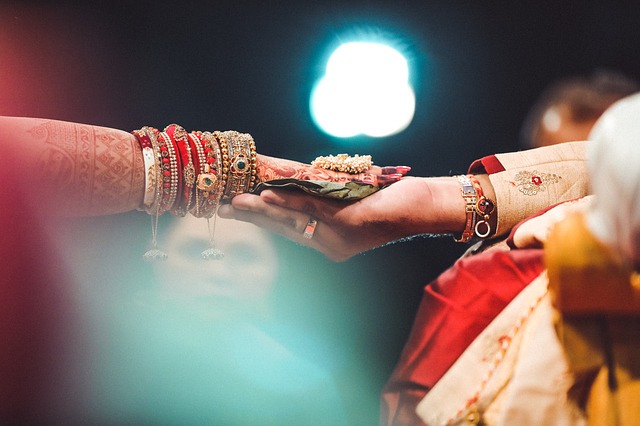
We often hear about doshas from various sources, but when it comes to marriage, these matters are considered especially important. After all, marriage is one of life’s biggest decisions, and no one wants to leave anything to chance.
Today, we will talk about Bhakoot Dosha, an important factor to understand when matching a bride and groom’s horoscopes. What exactly is Bhakoot Dosha? How many types are there? Effects of Bhakoot Doshas. How will its effects differ? And what are the key points to keep in mind during horoscope matching?
If you have any questions about Bhakoot Dosha, stay with us—you will find the answer ahead.
Bhakoot Dosha can be of the following types; it is usually divided based on the Moon signs in the bride’s and groom’s Birth Charts.
| Bhakoot Combination | Traditional Name of Dosha | When it Forms |
| 2-12 Bhakoot | Dwirdwadash Bhakoot. | The Moon sign in one chart is 2nd from the Moon sign in the other chart. |
| 5-9 Bhakoot | Nav Pancham Bhakoot. | The Moon signs are 5th and 9th from each other in the couple’s charts. |
| 6-8 Bhakoot | Shadashtak Bhakoot. | The Moon signs are 6th and 8th from each other. |
Keep in mind that Bhakoot is one part of Kundli matching. A full and proper understanding of compatibility cannot be done based on this. If you are interested in knowing about your love life, you can check the daily love horoscope.
If you want a detailed and comprehensive guide to this Dosha’s importance in marriage, its cancellation rules, remedies, and more, check out Bhakoot Dosha.
In astrology, 2–12 Bhakoot Dosha is traditionally associated with differences in financial outlook and material priorities. Astrologers may say that this combination calls for an understanding when managing shared finances and planning future goals.
In this combination, partners may use different approaches to spending, saving and financial security. For example, one partner may prefer saving for the future while the other partner may prioritise needs and experiences. Open discussions about money can help couples understand these differences in priorities and spending and make decisions.
This Dosha is traditionally linked to lifestyle adjustments and shared responsibilities. Couples may need to communicate about household expenses, family commitments and long-term plans to keep a balanced partnership.
In astrology, 5–9 Bhakoot Dosha, also called Nav Pancham Bhakoot, is often associated with differences in beliefs, family values, and expectations. These ideas emphasise that mutual respect and understanding are essential when building a life together.
Partners may see paths for career growth, lifestyle choices, personal development or future plans differently. These differences do not always cause conflict. They may need open communication and a willingness to find common ground.
Some astrological views link the 5–9 Bhakoot combination to children and family expansion. This combination alone does not reveal whether a couple will face difficulty conceiving. Fertility and reproductive health are best evaluated by medical professionals, not by reading horoscope compatibility.
In astrology, 6–8 Bhakoot Dosha, also known as Shadashtak Bhakoot, is traditionally considered a challenging combination in Kundli matching. It is associated with disagreements, misunderstandings and the need for greater adjustment between partners. However, its presence alone does not determine the quality of a marriage.
Partners can have different temperaments, emotional needs or expectations for married life. If these differences are not discussed openly, they can sometimes lead to misunderstandings. Mutual respect, patience and clear communication can help couples work through contrasting perspectives.
Some astrological traditions associate Shadashtak Bhakoot with obstacles or instability in married life. However, these interpretations should not be treated as predictions. Astrologers may consider cancellation rules and the overall birth charts before drawing conclusions about compatibility.
Note: Bhakoot Dosha is a traditional astrological concept, not a scientifically established predictor of marital outcomes. A healthy relationship depends on real-life factors, including trust, communication, and mutual understanding. For more personalised and detailed information, talk to an expert astrologer.
In classical Vedic astrology, Bhakoot Dosha is said to adversely affect emotional bonding, family life, and wealth management.
Some traditional associations are listed here for some Bhakoot’s negative impacts:
A few other classic sources mention Bhakoot combinations related to children or longevity. These cannot be regarded as definite predictions. It merely indicates that these problems can arise.
The actual relationship between two individuals is shaped by numerous factors in their practical lives, such as communication, respect, behaviour, and financial choices. It is essential to review the complete Kundli before analysing the influence of Bhakoot on life.
A. Yes, the effects of Bhakoot Dosha differ depending on the specific Moon sign placements in a couple’s birth chart.
A. According to Vedic Astrology, the 6-8 Shadashtak Bhakoot is considered more challenging and severe than other Bhakoots.
A. No, this is not a correct statement to claim because Bhakoot Dosha does not always lead to marital problems.




Choose your and your partner's zodiac sign to check compatibility


2026 Astrotalk (Powered by Astrotalk Services Private Limited & Astrotalk Online Private Limited). All Rights Reserved